

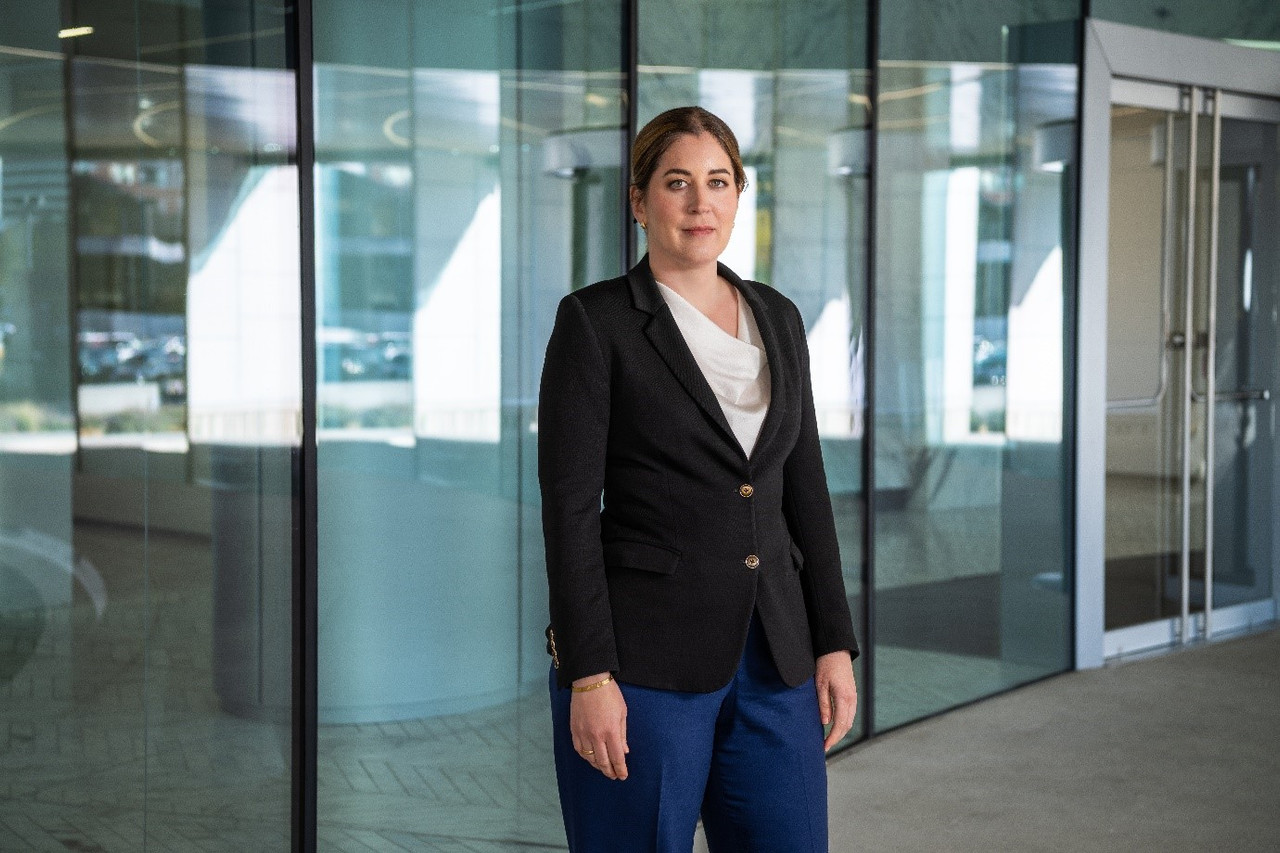
A Childhood Across Continents
The formative years of childhood and adolescence are when individuals develop their sense of identity, cultural fluency, and worldview. For many people, this development takes place in a single community or region. For Kimberly Diego, a criminal defense attorney now based in Denver, Colorado, those years unfolded across multiple countries and continents, creating a foundation that would later inform her approach to law, client service, and professional identity.
Diego was born in Houston, Texas, a sprawling and diverse city known for its energy industry, international population, and cultural variety. Houston’s demographics reflect waves of immigration from Latin America, Asia, and beyond, making it a city where multilingualism and cross-cultural interaction are part of daily life. While Diego’s early childhood in Houston provided her first connection to the United States, her youth would take her far beyond Texas.
According to biographical information from her law office and professional profiles, Diego spent portions of her youth living in Argentina, Colombia, and Puerto Rico. These experiences were not brief visits or vacations but extended periods during which she attended middle and high school. Living in these countries during her adolescent years meant that Diego was not simply observing foreign cultures as an outsider but was immersed in them as a student, peer, and community member.
Argentina, with its European influences, distinct Spanish dialect, and rich literary and political history, would have offered a particular set of cultural and educational experiences. Colombia, a country marked by regional diversity, complex social dynamics, and a vibrant cultural scene, would have presented its own perspectives and challenges. Puerto Rico, a U.S. territory with a unique blend of American and Caribbean influences, Spanish-language dominance, and a distinct legal and political status, would have provided yet another layer of cultural and linguistic experience.
Attending school in these countries meant that Diego was educated in Spanish, socialized with peers from different backgrounds, and developed an understanding of life outside the United States. She became fluent in Spanish, not as a second language learned in a classroom but as a living language used in daily conversation, academic work, and social interaction. This fluency would later become a defining feature of her legal practice.
Diego’s international upbringing also shaped her sense of identity and belonging. Growing up between North and South America, she developed ties to both regions and an ability to navigate different cultural contexts. This kind of transnational experience can foster adaptability, open-mindedness, and a capacity to relate to people from diverse backgrounds, all qualities that are valuable in the practice of law, particularly in criminal defense, where understanding clients’ perspectives and circumstances is essential.
After completing high school, Diego returned to the United States for her undergraduate education. She enrolled at Georgetown University in Washington, D.C., one of the nation’s leading institutions and a university known for its programs in international relations, law, and the humanities. Diego chose to major in English Literature, a field that emphasizes close reading, critical analysis, persuasive writing, and interpretive skill. These are the same skills that form the foundation of legal practice, where attorneys must read statutes and case law carefully, construct logical arguments, and communicate effectively in writing and speech.
Diego graduated from Georgetown with a Bachelor of Arts in English Literature in 2001. This humanities education provided her with a broad intellectual foundation and strong communication skills, but it did not yet point clearly toward a legal career. Many English majors go on to work in education, publishing, journalism, or other fields. Diego, however, would eventually choose law, and she would choose a particular kind of law that allowed her to advocate for individuals facing the power of the state.
The Decision to Pursue Criminal Defense
After completing her undergraduate degree, Diego relocated to Colorado, a state known for its natural beauty, outdoor recreation, and growing urban centers. Colorado’s population has become increasingly diverse, with significant Latino communities in cities like Denver, Aurora, and Pueblo. The state’s legal landscape includes a mix of urban, suburban, and rural jurisdictions, each with its own character and challenges.
Diego enrolled at the University of Colorado School of Law, a well-regarded public law school located in Boulder. She earned her Juris Doctor in 2008, a period that coincided with the financial crisis and a challenging job market for new lawyers. During law school, Diego made deliberate choices that would shape her career trajectory. She participated in the Criminal Defense Clinic, a program that allowed law students to represent clients in real cases under the supervision of faculty. This hands-on experience gave her exposure to the day-to-day realities of criminal defense, from client intake to courtroom hearings.
She also interned with the Colorado State Public Defender’s Office, an institution that provides legal representation to indigent defendants and is known for its rigorous training programs and high-volume caseloads. Public defender offices often serve as training grounds for criminal defense attorneys, offering young lawyers the opportunity to handle a large number of cases, develop courtroom skills, and gain insight into the criminal justice system from the defense side.
These experiences were formative. They introduced Diego to the challenges and rewards of criminal defense work, the ethical complexities of representing clients accused of crimes, and the importance of zealous advocacy in the face of prosecutorial power. They also likely reinforced her interest in serving marginalized and vulnerable populations, many of whom find themselves entangled in the criminal justice system.
Upon graduating in 2008 and gaining admission to the Colorado bar, Diego could have pursued various career paths. She could have joined a large law firm, sought a position as a prosecutor or public defender, or entered a different field of law altogether. Instead, she chose to open her own solo practice, focusing exclusively on criminal defense. This decision reflected both her commitment to defense work and her entrepreneurial spirit.
Cultural Competence as a Professional Asset
Diego’s international background and bilingual abilities have become central to her professional identity and her ability to serve clients effectively. In criminal defense, the attorney-client relationship is foundational. Clients must trust their attorneys enough to share sensitive and sometimes incriminating information. They must understand the legal process, the options available to them, and the potential consequences of different choices. When language barriers exist, these essential communications can be compromised.
For Spanish-speaking clients, having an attorney who is fluent in Spanish can make a significant difference. It allows for direct communication without the need for interpreters, facilitates more nuanced discussions of legal strategy, and helps build trust and rapport. Diego’s fluency in Spanish is not simply functional but culturally grounded. Having lived in Spanish-speaking countries and attended school in Spanish, she has a deep understanding of cultural norms, communication styles, and the contexts in which her clients may be operating.
This cultural competence extends beyond language. Understanding the immigration concerns that may underlie a criminal case, the family dynamics that may be relevant to a domestic violence charge, or the economic pressures that may contribute to allegations of theft or fraud requires more than legal knowledge. It requires empathy, cultural awareness, and the ability to see clients as whole people rather than simply case files.
Diego’s involvement with the Colorado Hispanic Bar Association and the Hispanic National Bar Association further reflects her commitment to serving Latino communities and engaging with other attorneys who share similar backgrounds and professional interests. These organizations provide networking opportunities, mentorship, continuing legal education, and advocacy on issues affecting Latino lawyers and their clients.
Her membership in these organizations also signals to potential clients that she understands their communities and is committed to providing culturally competent representation. In a legal system that has historically marginalized people of color and non-English speakers, having attorneys who can bridge cultural and linguistic divides is essential for ensuring access to justice.
Diego’s international upbringing has also likely shaped her perspective on the American criminal justice system. Having lived in countries with different legal traditions, political systems, and social norms, she may bring a comparative perspective to her work. This can foster a critical awareness of the strengths and weaknesses of the U.S. system and a recognition that the way things are done here is not the only way they can be done.
The Intersection of Identity and Advocacy
The connection between personal background and professional practice is not always straightforward, but in Diego’s case, the threads are clear. Her childhood in multiple countries, her fluency in Spanish, her education in English literature and law, and her decision to focus on criminal defense all point to a career built on the intersection of language, culture, and advocacy.
Criminal defense attorneys often describe their work as a calling rather than simply a job. It requires a willingness to stand up for people who are unpopular, accused, and often presumed guilty by the public. It demands intellectual rigor, emotional resilience, and a commitment to constitutional principles such as the presumption of innocence and the right to counsel. For attorneys who come from marginalized or immigrant communities, or who have lived between cultures, the stakes can feel even more personal.
Diego’s work involves representing clients accused of a wide range of offenses, from DUIs and drug charges to violent crimes and white-collar offenses. Each case involves an individual facing the power of the state, and each case requires careful investigation, strategic thinking, and vigorous advocacy. Whether negotiating a plea agreement, litigating a motion to suppress evidence, or trying a case before a jury, criminal defense attorneys must be prepared to challenge the government’s case and hold prosecutors to their burden of proof.
In addition to trial work, Diego’s practice includes representation in pre-charge investigations and post-conviction matters such as appeals. These phases of criminal defense require different skills and strategies. Pre-charge representation involves advocating to prosecutors and law enforcement before formal charges are filed, sometimes preventing charges altogether or shaping them in a more favorable way. Appellate work involves identifying legal errors in trial court proceedings and presenting arguments to appellate courts, often through written briefs and oral argument.
Diego’s practice also includes specialized areas such as juvenile defense and protection order cases. Juvenile defense involves representing minors accused of delinquent acts, a field that requires understanding of the juvenile justice system, which operates under different rules and philosophies than the adult system. Protection order cases often arise in the context of domestic violence allegations and can have significant consequences for clients, including restrictions on contact with family members and implications for custody and immigration status.
Her firm’s website describes the practice as offering free initial consultations, a common feature in criminal defense that allows potential clients to discuss their cases and evaluate the attorney. The firm serves clients throughout Colorado, from the Denver metro area to cities and towns across the state. This statewide scope requires familiarity with different jurisdictions, judges, and local practices, as well as a willingness to travel for court appearances and client meetings.
Diego’s professional development has included recognition by organizations such as Super Lawyers, which named her a Rising Stars selectee in 2012 and 2019, and The National Trial Lawyers, which includes her in its Colorado membership profiles. She is also listed by Elite Lawyer and maintains profiles on legal directories such as Martindale-Hubbell and Avvo, where she has received peer endorsements.
Her engagement with public legal education is evident in the blog she maintains on her firm’s website, covering topics such as Colorado criminal law, court procedures, appeals, and specific charges. She has also participated in podcast interviews and answered legal questions on platforms like Justia, contributing to public understanding of criminal defense issues.
Diego’s career reflects the ways in which personal background, cultural identity, and professional choices can intersect to create a distinctive legal practice. Her international upbringing gave her language skills, cultural awareness, and a global perspective. Her education provided her with analytical tools and legal training. Her choice to focus on criminal defense and to serve both English-speaking and Spanish-speaking clients reflects a commitment to access to justice and to representing individuals who might otherwise struggle to find effective representation.
In a legal system that is often criticized for being inaccessible, impersonal, and biased, attorneys like Diego play an essential role. By bringing cultural competence, language skills, and a commitment to vigorous advocacy, they help ensure that the promises of due process and equal protection are more than abstract principles. For clients facing criminal charges, having an attorney who understands their language, their culture, and their circumstances can be the difference between a fair outcome and a miscarriage of justice.
Diego’s story is also a reminder that the paths to a legal career are varied and that diverse backgrounds can be sources of strength in the practice of law. Her experiences living in Argentina, Colombia, and Puerto Rico were not detours or distractions from her eventual career but foundational experiences that shaped who she is as a lawyer and how she serves her clients. In a profession that increasingly values diversity and cultural competence, Diego’s international upbringing is not just a biographical detail but a professional asset and a reflection of the changing face of the American legal profession.
