
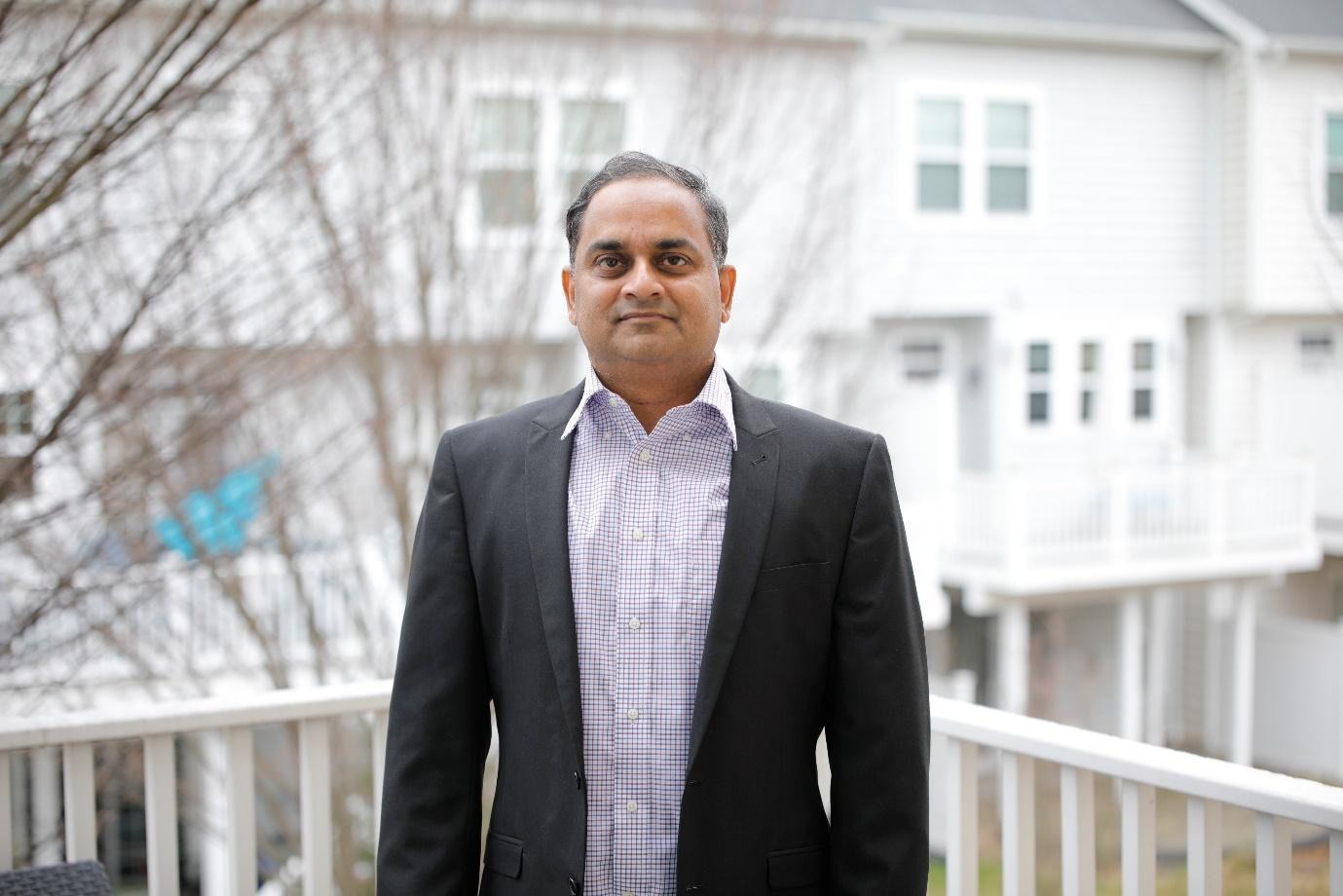
Summary: Venkata Amar Nuthalapati is redefining home-based physical therapy by integrating neurological care with safety-focused environmental design to improve recovery outcomes.
As many more American’s choose to age at home, the need for safe, effective home-based care is increasing rapidly. Families desire independence for their loved ones; however, the fear of falls, hospital readmission and slow recovery is a major concern for them. Physical therapists working in home settings provide an important component to addressing this concern. For Venkata Amar Nuthalapati, a physical therapist with a focus on neurological rehabilitation, the question is not only how to address the needs of the patient, but how to modify the environments in which they live.
A large proportion of clinicians refer to the last mile of healthcare as the home-based portion of a patient’s recovery. While a patient receives optimal care in the hospital or out-patient setting, their ability to recover decreases significantly when they return home. Living rooms were not designed as therapy gyms. Hallways are typically narrow, lighting is uneven, rugs will slide, and furniture will block safe pathways for ambulation. These types of obstacles can greatly affect the success of rehabilitation for older adults and neurological patients.
“A clinic is a controlled environment,” Nuthalapati states, “but the home is where real life and real accidents happen. If we want better outcomes, we need to incorporate the home into our treatment plans, not just think of it as an afterthought.”
While traditional home health care focuses on helping patients adapt to their physical limitations, Nuthalapati incorporates neurological rehabilitation concepts into the home environment. He does not simply strengthen muscles or practice balance exercises. Rather, he evaluates how lighting, furniture placement, walking routes and visual cues influence movement and brain response.
His methods combine clinical neuroplasticity concepts with practical safety design. Environmental cueing is used to direct safe walking patterns. Lighting is modified to reduce visual confusion and improve depth perception. Furniture is rearranged to create safe, obstacle-free walking routes that support motor learning. In this manner, the living room becomes an extension of the therapy space.
Signifiacnt improvements have resulted from the professional’s efforts. Falls related injuries have decreased by 40% in high-risk neurological patients under his care. Reducing falls remains a priority issue in a country where falls are the leading cause of injury in older adults. Beyond injury reduction, patients have demonstrated faster rates of progress toward functional independence. Patients have regained confidence in performing daily tasks with fewer requirements for supervision.
In addition to demonstrating improved clinical outcomes, Nuthalapati’s methods have also had implications for the healthcare delivery system. By reducing the incidence of falls and decreasing the number of avoidable hospital admissions, his methods have contributed to reducing the total cost of care. Lower hospital admission rates result in lower costs for both patients and providers. Lower costs for healthcare services have a positive effect on public program spending. Preventing a fraction of fall-related hospitalizations can have a substantial economic impact in a system struggling to meet the demands of an aging population.
Nuthalapati’s approach also meets a growing challenge in healthcare. An increasing number of complex patients are being discharged from hospitals sooner. When patients are released from the hospital with mobility deficits, cognitive impairments or post-surgical weakness, their homes quickly become hazardous environments. Nuthalapati provides assistance to patients and their families to assess risk factors in advance and develop strategies to modify their living spaces to eliminate hazards.
He is described as a clinician who bridges two separate worlds—hands-on therapy and environmental design. He relies on observation of how individuals move through their daily activities and modifying their living spaces to support those movements. This level of detail has established him as a respected voice in discussions surrounding fall prevention and home-based neurological care.
As the number of older adults continues to increase, healthcare providers are challenged to redefine the location of recovery. Hospitals and clinics continue to be essential components of the recovery process; however, they represent only a portion of the story. The majority of a patient’s time is spent at home, and small design decisions made in that setting can either facilitate or hinder recovery. The primary lesson learned from his work is simple yet profound: recovery does not cease once a patient is discharged from a facility. By integrating the home into the clinical process rather than viewing it as a secondary consideration, physical therapy can extend its influence beyond exercises into the day-to-day aspects of living. This could potentially aid thousands of patients in achieving greater safety, achieving greater independence sooner and avoiding unnecessary setbacks in their own home.