
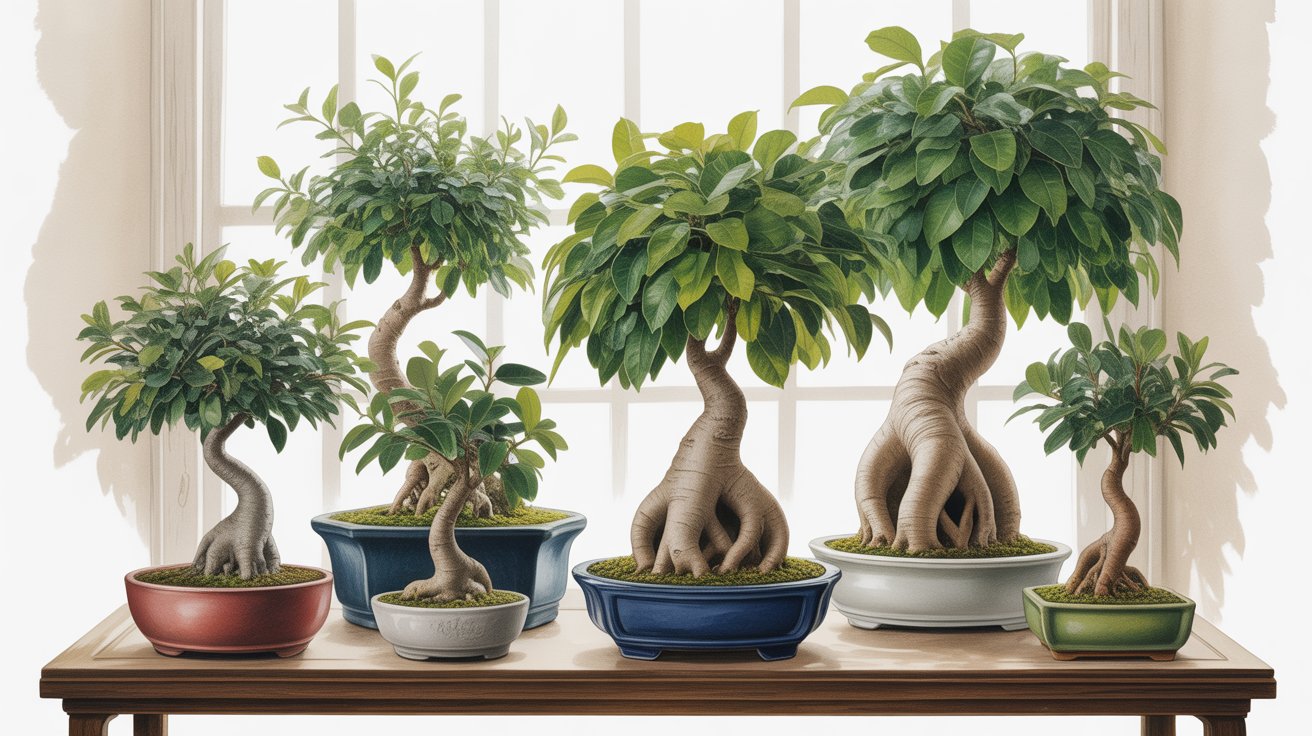
The Ficus bonsai tree is one of the most purchased and most appreciated bonsai varieties in the entire world. Walk into any garden center, browse any plant marketplace, or visit any serious bonsai collection, and you will almost certainly find a Ficus bonsai prominently displayed. Its popularity is not accidental. It is the result of genuine qualities that make this tree special for growers, collectors, buyers, and gift-givers across every culture and every climate.
This guide is designed to help you understand Ficus bonsai trees more deeply before you make a purchase. Whether you are buying your first bonsai or adding to an existing collection, the information here will help you choose wisely and care for your tree with confidence.
The History and Cultural Significance of Ficus Bonsai
The Ficus bonsai has deep roots in Asian horticultural tradition. Bonsai as an art form originated in China over a thousand years ago and was later refined and popularized in Japan. Ficus trees were among the earliest species used for bonsai cultivation because of their natural adaptability and their ability to develop the dramatic trunk formations and aerial root systems that bonsai artists valued so highly.
In many Asian cultures, the Ficus tree carries symbolic meaning. It represents longevity, strength, and connection between earth and sky. The aerial roots that descend from the branches and reach into the soil are seen as a symbol of continuity and the unbreakable connection between generations. These cultural associations have contributed to the enduring global appeal of Ficus bonsai as both an art object and a meaningful gift.
Today, Ficus bonsai trees are grown and appreciated worldwide. They have moved far beyond their Asian origins to become a truly global phenomenon. Collectors in Europe, North America, Australia, and beyond value these trees for their beauty, their resilience, and the deep satisfaction that comes from nurturing a living work of art.
Understanding Ficus Bonsai Styles
One of the most fascinating aspects of Ficus bonsai cultivation is the variety of styles in which these trees can be trained. Each style creates a different aesthetic and tells a different visual story. Understanding the main styles helps you choose a tree that matches your personal taste and the space where you plan to display it.
The formal upright style features a straight, tapering trunk with evenly distributed branches. It represents a strong, mature tree growing in ideal conditions. This style is clean, elegant, and works beautifully in formal or minimalist interior settings.
The informal upright style features a trunk with gentle curves and movement. It looks more natural and dynamic than the formal upright. The curves suggest a tree that has grown in response to its environment, reaching toward light while maintaining its fundamental upward direction. This is one of the most popular styles for Ficus bonsai because it balances natural appearance with artistic design.
The banyan style is where Ficus bonsai truly shines above all other species. The banyan style features multiple aerial roots descending from the branches and trunk to create a forest-on-a-single-tree appearance. This style is unique to Ficus and a small number of other tropical species. It creates a dramatic, awe-inspiring visual effect that is unlike anything else in the bonsai world.
The root over rock style is another popular choice for Ficus. The roots are trained to grow over and around a rock before entering the soil. Over time, the roots grip the rock tightly, creating a powerful and artistic composition that looks ancient and deeply rooted in its environment.
Indoor vs Outdoor Ficus Bonsai
One of the most common questions buyers ask about Ficus bonsai is whether to keep their tree indoors or outdoors. The honest answer is that Ficus bonsai can thrive in both environments when given proper care, but each setting requires slightly different management.
Indoor Ficus bonsai trees need bright, indirect light from a nearby window. South or east-facing windows typically provide the best light conditions for indoor placement. Keep the tree away from cold drafts, air conditioning vents, and heating sources that dry the air excessively. Consistent temperature and humidity are key to keeping an indoor Ficus bonsai healthy and vigorous.
Outdoor Ficus bonsai trees benefit from natural sunlight, fresh air, and the natural humidity that outdoor environments provide. In warmer climates, Ficus trees can stay outdoors year-round. In cooler climates, they should be brought indoors before temperatures drop below ten degrees Celsius. Outdoor growing encourages faster development, stronger trunks, and more vigorous root systems compared to purely indoor cultivation.
Common Mistakes to Avoid With Ficus Bonsai
Even experienced gardeners sometimes make mistakes with their Ficus bonsai trees. Knowing the most common errors helps you avoid them and keep your tree thriving.
Overwatering is the most frequent mistake. Ficus roots need oxygen as much as they need water. Constantly wet soil suffocates the roots and leads to root rot. Always check the moisture level of the soil before watering and only water when the top layer begins to dry out slightly.
Insufficient light causes leaf drop and weak, leggy growth. Many people underestimate how much light their Ficus bonsai actually needs. If your tree is dropping leaves without any obvious reason, move it to a brighter location and observe how it responds.
Sudden environmental changes stress Ficus trees significantly. Moving your tree from one environment to another, changing its light exposure dramatically, or exposing it to cold drafts can trigger leaf drop. Make any environmental changes gradually to give your tree time to adjust.
Neglecting humidity is another common oversight, especially for indoor trees during winter. Dry indoor air stresses Ficus bonsai and weakens foliage. Regular misting and humidity trays make a noticeable difference in the health and appearance of your tree throughout the colder months.
Why Ficus Bonsai Makes the Perfect Gift
The Ficus bonsai has become one of the most popular gift plants in the world for very good reasons. It is beautiful, meaningful, and practical. Unlike cut flowers that wilt within days, a Ficus bonsai is a living gift that grows and develops for decades when properly cared for.
Gifting a Ficus bonsai communicates thoughtfulness and care. It says that you chose something living, something that requires attention and nurturing, something that will grow alongside the person who receives it. For birthdays, housewarmings, corporate gifts, and special occasions, a Ficus bonsai always makes a lasting and memorable impression.
Conclusion
The Ficus bonsai is far more than just a decorative plant. It is a living art form with deep cultural roots, remarkable natural beauty, and a rewarding care journey that enriches the life of anyone who grows one. Whether you are drawn to its dramatic aerial roots, its dense canopy, or its symbolic meaning, a Ficus bonsai brings something genuinely special into any space. Wulala Garden provides premium quality Ficus bonsai trees grown and trained to professional standards, making them an excellent source for collectors, retailers, and gift buyers seeking the very best.
