
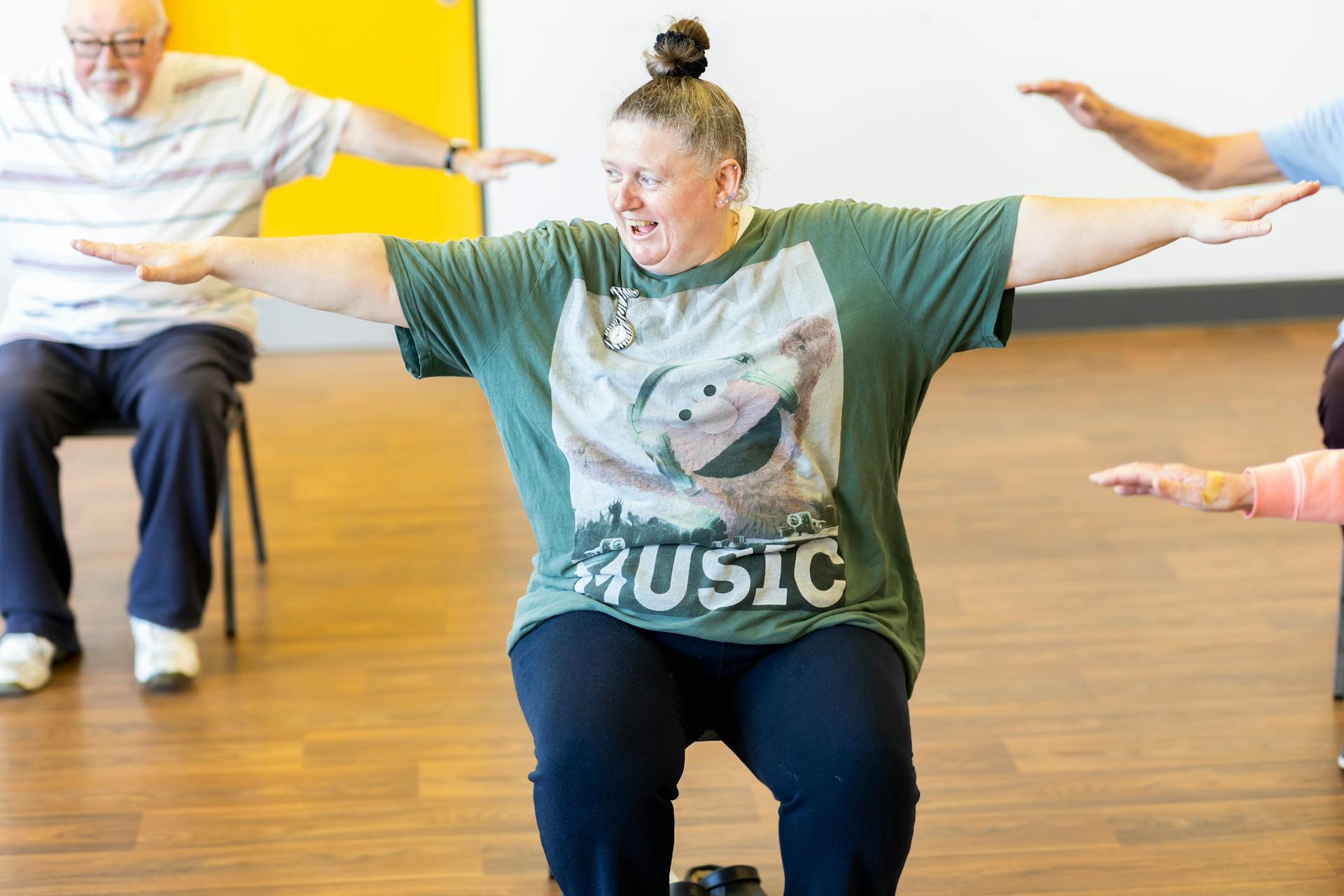
Staying active does not always require standing workouts, gym equipment, or long exercise sessions. For many older adults, beginners, and people with limited mobility, seated movement can be a more realistic and comfortable way to build a daily wellness habit. Chair tai chi is a popular option that combines gentle movement, breathing, posture awareness, and relaxation in a simple seated format.
Chair tai chi is adapted from traditional tai chi, but the movements are performed while sitting in a stable chair. This makes it easier for seniors to practice at home, in community centers, assisted living settings, or small group classes. The goal is not speed or intensity. Instead, chair tai chi focuses on slow, controlled movements, calm breathing, and mindful coordination.
One of the main reasons seniors enjoy chair tai chi is that it feels approachable. Many exercise routines can feel intimidating, especially for people who worry about balance, fatigue, joint discomfort, or getting started after a long break. Chair tai chi removes much of that pressure. A person can begin with a few minutes of seated practice and gradually build confidence over time.
A simple session may include gentle shoulder rolls, slow arm circles, wrist and hand movements, seated weight shifts, ankle circles, and breathing exercises. These movements can help people pay attention to posture and body awareness without requiring complex choreography. Some people also find that the slow pace makes exercise feel less stressful and more relaxing.
For seniors who like structure, printable routines can be especially useful. A printed guide can be placed near a favorite chair, used during a class, or shared with a caregiver. It also helps users remember the order of movements without needing to watch a screen every time. ChairTaiChi.org offers a helpful chair tai chi for seniors PDF that can support simple at-home practice and make the routine easier to follow.
Caregivers and activity coordinators may also find chair tai chi useful because it can be adapted for different comfort levels. In a group setting, participants can move within their own range and rest whenever needed. The movements do not need to look perfect. What matters most is practicing safely, breathing comfortably, and moving with attention.
When starting any new movement routine, seniors should choose a sturdy chair without wheels, keep both feet supported when possible, and avoid forcing any motion that causes pain. People with medical conditions, recent surgery, dizziness, or significant balance concerns should ask a healthcare professional before beginning a new exercise program.
Chair tai chi is not about pushing harder. It is about making gentle movement part of everyday life. With a quiet space, a stable chair, and a simple routine, seniors can enjoy a calm and practical way to stay active at home. For anyone looking for a low-pressure starting point, seated tai chi can be a comfortable first step toward more regular movement.