
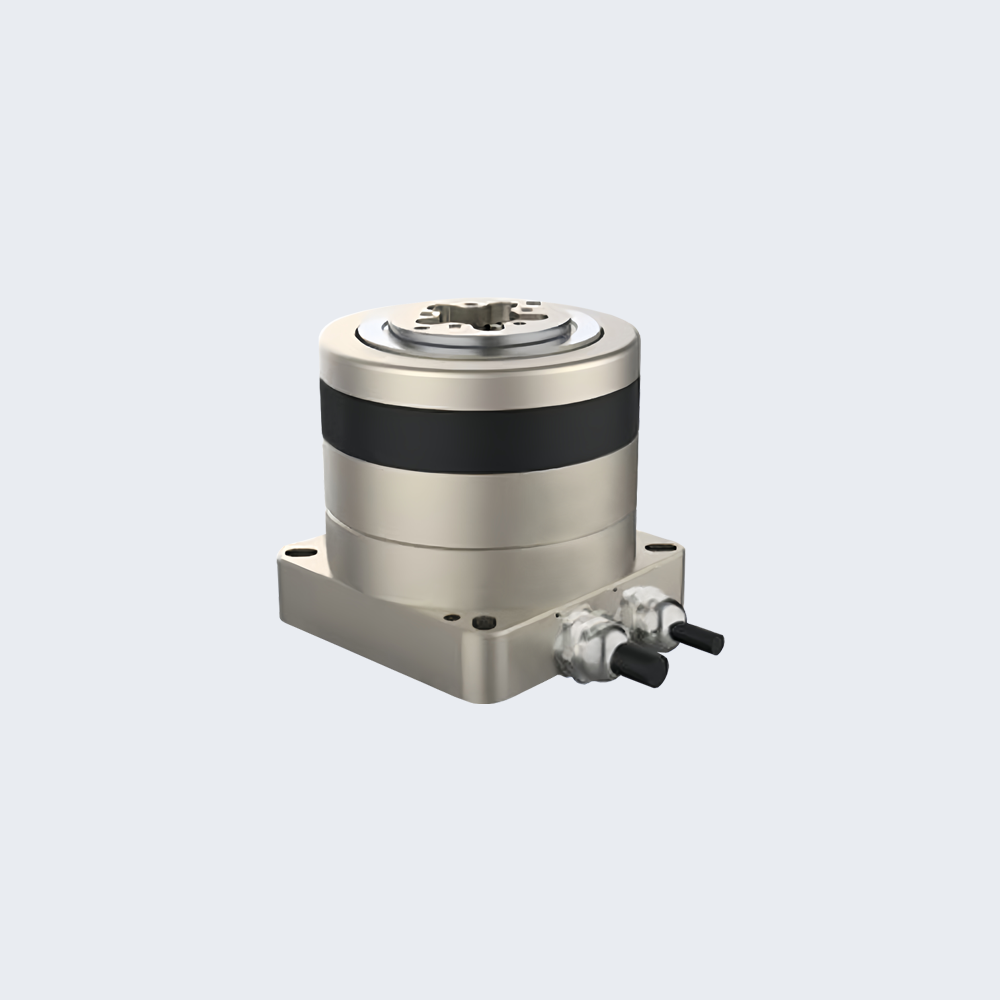
One of the most frequently cited advantages of direct drive rotary motor technology is its low maintenance requirement compared to geared motor systems. This advantage is real and significant, but it does not mean that direct drive motors require no maintenance at all. Understanding what maintenance a direct drive rotary motor actually needs, and what monitoring and preventive actions can maximize its operational life, is important for anyone responsible for maintaining systems equipped with this technology.
Why Direct Drive Rotary Motors Need Less Maintenance
The reduced maintenance requirement of direct drive rotary motor systems compared to geared alternatives stems directly from the elimination of the mechanical transmission components that require the most frequent attention in geared systems.
Gearboxes require regular lubrication to prevent metal-to-metal contact between gear teeth and bearings. The lubricant degrades over time through oxidation, contamination, and mechanical shearing and must be replaced at regular intervals. Oil seals that prevent lubricant leakage wear and must be replaced before they fail and allow lubricant to escape. Gear teeth and bearings wear progressively and must be inspected periodically and replaced when wear reaches the limits of acceptable backlash or bearing clearance.
Belt and chain drives require periodic tension adjustment as the drive element stretches under load, replacement when wear reduces the drive element’s load-carrying capacity, and lubrication of chain drives to prevent rapid wear of chain links and sprocket teeth.
A direct drive rotary motor has none of these components. The load is connected directly to the motor without any intermediate transmission element. The only mechanical components that wear in a direct drive motor system are the motor bearings and the encoder, both of which have service lives measured in tens of thousands of operating hours under normal operating conditions.
Motor Bearing Maintenance and Service Life
Motor bearings are the primary wearing component in a direct drive rotary motor and therefore the primary focus of direct drive maintenance programs. Understanding the factors that affect bearing life helps maintenance teams implement the practices that maximize bearing service life and avoid premature bearing failures.
Operating load is the most important factor affecting bearing life. Bearings that are consistently loaded close to their rated capacity have shorter service lives than bearings operating well below their rated load. A direct drive rotary motor that is correctly sized for its application with adequate load margin will have bearings operating at a fraction of their rated capacity, which dramatically extends their service life compared to an undersized motor running at or near its load limits.
Operating speed affects bearing life because bearing contact stresses increase with rotational speed. For direct drive rotary motors that typically operate at relatively low speeds compared to high-speed conventional motors, bearing speed is rarely a limiting factor in service life, but it should be considered in applications where the motor operates at the higher end of its speed range.
Lubrication is critical for bearing life. Most direct drive rotary motor bearings are pre-lubricated with grease at the factory and sealed to retain the lubricant throughout the bearing’s service life. These sealed pre-lubricated bearings do not require re-greasing during their service life, but they do eventually exhaust their lubricant and must be replaced. The manufacturer’s recommended bearing replacement interval should be incorporated into the maintenance schedule.
Temperature management directly affects bearing lubricant life. High operating temperatures accelerate lubricant oxidation and evaporation, shortening the effective lubrication life of the bearing grease. Maintaining the motor within its specified operating temperature range, primarily through ensuring adequate cooling and avoiding overloading, is the single most effective way to maximize bearing service life in a direct drive rotary motor.
Encoder Care and Maintenance
The encoder integrated into a direct drive rotary motor provides the position feedback that makes precise motion control possible. Encoder problems directly affect motion system performance, potentially causing positioning errors, instability, or complete system failure. Protecting the encoder from damage and monitoring its health are important elements of direct drive motor maintenance.
Physical protection is the first priority. Encoders are precision optical or magnetic devices that can be damaged by mechanical shock, vibration beyond their rated limits, or contamination by liquids or particulates that penetrate the encoder housing. Maintaining the integrity of the encoder housing seals and protecting the motor from impacts that could damage the encoder are the most important protective measures.
Cable and connector maintenance for the encoder feedback cable is often overlooked but is an important reliability consideration. Encoder cables that are subject to repeated flexing, sharp bends, or excessive tension can develop intermittent faults that are difficult to diagnose and can cause erratic system behavior. Ensuring that encoder cables are routed with adequate bend radius and mechanical protection prevents cable-related faults.
Signal quality monitoring through the drive system’s diagnostic capabilities allows developing encoder problems to be detected before they cause system failures. Most modern drives monitor encoder signal quality and report diagnostic information about signal amplitude, frequency, and error rates that can indicate encoder degradation before it reaches the point of causing system failures.
Environmental Protection for Direct Drive Motors
The operating environment significantly affects the service life of a direct drive rotary motor. Protecting the motor from environmental factors that accelerate degradation is an important aspect of maintenance planning.
Moisture and liquid contamination are among the most damaging environmental factors for electric motors. Water ingress into the motor winding causes insulation degradation that eventually leads to winding faults. Protecting the motor from direct water exposure and ensuring that condensation cannot accumulate in the motor housing are important preventive measures.
Particulate contamination, particularly metallic particles from machining operations, can damage motor bearings and in extreme cases can affect the motor’s electromagnetic performance by accumulating on magnet surfaces. Appropriate sealing of the motor and bearing housing for the specific installation environment is essential.
Conclusion
The direct drive rotary motor’s inherent low maintenance requirement is one of its most commercially important advantages, but realizing this advantage requires attention to bearing life management, encoder protection, and environmental protection throughout the motor’s operational life. A well-maintained direct drive rotary motor system will deliver decades of reliable, precise service with maintenance costs that are a fraction of those associated with equivalent geared motor systems. CLZN Motors designs its direct drive rotary motors for maximum service life and provides comprehensive maintenance guidance to help customers protect their investment.
