
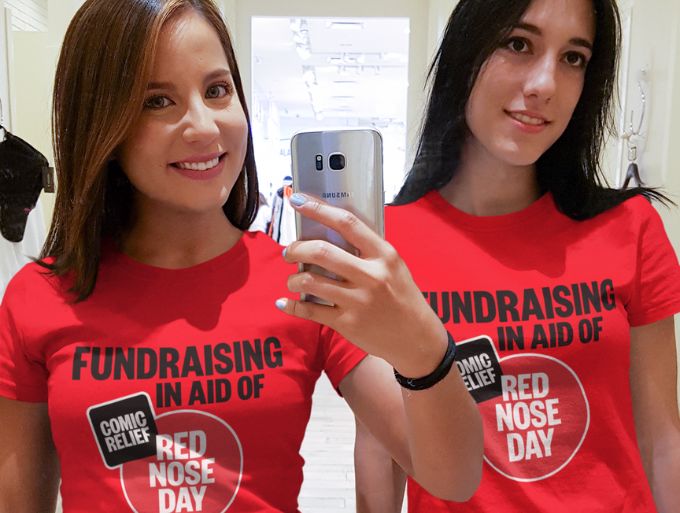
There is a moment at almost every charity run when the crowd gathers at the start line and you look around and notice it. The matching t-shirts. Hundreds of people, some strangers an hour ago, all wearing the same colour, the same cause, the same name across their chest.
Something shifts. It stops being a collection of individuals and becomes something more like a movement.
That is what a well-made custom charity t-shirt actually does. It is not merchandise. It is belonging, made visible.
Whether you are organising a 5K for a local hospice, a sponsored walk for a national charity, or a fun-run for a school, getting your printed t-shirts right is one of the most impactful decisions you will make. This guide covers design, printing methods, budgeting, where to order, and timelines.
Why Custom T-Shirts Matter for Charity Events
For participants, a custom t-shirt is a tangible connection to the cause. People train in them, share photos in them, wear them to the event and often long after.
A good design on a quality garment extends your campaign well beyond the event date. Every time someone wears that shirt in the weeks and months after, it is a conversation starter and a reminder of what they achieved.
For donors and sponsors, matching branded clothing signals that your organisation is professional and well-run. It communicates that the money raised will be taken seriously.
For the cause itself, unity in appearance creates unity in purpose. Visual solidarity increases feelings of collective motivation and shared identity, and in a charity context where emotional stakes are already high, that effect is genuinely powerful.
What Makes a Great Charity Run T-Shirt Design
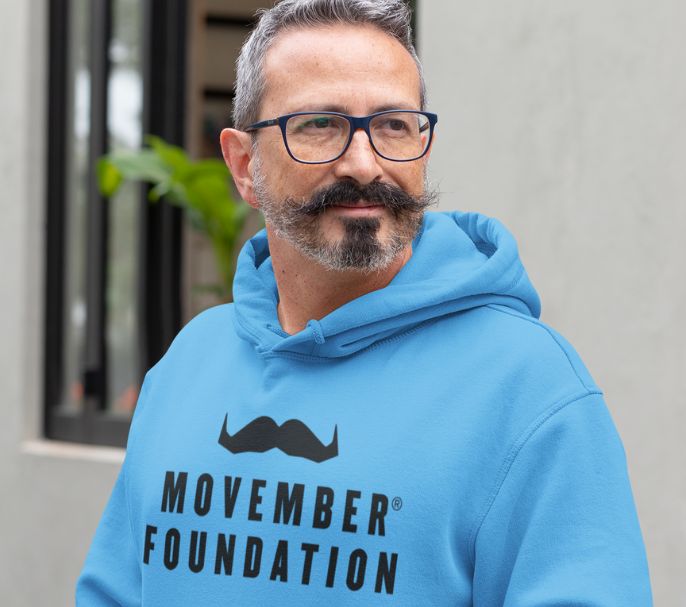
Designing for a fundraising event is not the same as designing branded merchandise for a business. The priorities are different.
Simplicity almost always wins. Your design needs to read clearly at pace, in crowds, and from a distance. The most memorable charity shirts tend to have one clear visual element, a bold graphic or cause name, and a maximum of two or three colours.
Put the cause front and centre. It is surprisingly common for event t-shirts to prioritise the event name over the cause it supports. If you are raising money for a cancer charity, people should be able to tell that from a metre away.
Consider the back. Many charities use the reverse for sponsor logos, participant names, or a short message. It makes participants feel individually recognised and increases how much they value and keep the shirt.
Inclusive sizing matters enormously. Charity events draw participants of all ages and body types. Forgetting to cater for children, plus sizes, or women-specific cuts leaves participants feeling like an afterthought. A good supplier will make it easy to mix sizes within a single order.
How to Budget Without Sacrificing Quality
Cost per unit drops significantly with volume. Ordering twenty shirts costs noticeably more per piece than ordering two hundred. If your event has a realistic participant number, order close to that rather than hedging low.
Surplus stock can be sold as fundraising merchandise, meaning a well-planned t-shirt order can generate income rather than just being a cost.
Keeping your design to one or two colours will substantially reduce screen printing costs. This is one of those rare situations where the creative constraint and the budget constraint point in exactly the same direction.
Many UK charities offset t-shirt costs by including a sponsor logo on the back in exchange for a contribution covering part or all of the printing bill. Most printing companies are familiar with this model and will accommodate multiple sponsor artwork files in the design proof.
Some printers offer charity-specific discounts for registered organisations. It is always worth asking directly, particularly if you are placing a large order or expect to run the event annually.
Where to Order Custom Charity T-Shirts in the UK
The supplier you choose makes a significant difference, not just in price but in how smoothly the whole process goes. Here are three reliable UK options worth knowing about.
The T Shirt Man is a family-run business based in Portsmouth that has been printing since 2006. They are particularly well suited to charity and event orders because of their next-day printing service, available on orders placed before 4pm, which is a genuine lifeline when deadlines are tight.
They carry a dedicated charity t-shirt printing service, stock ethically sourced garments certified by the Fair Wear Foundation and WRAP, and charge no artwork setup fees. Their team is reachable by phone and live chat through the week, which matters when you need a quick answer rather than an automated email chain. For event coordinators who want reliability and a real person to talk to, they are a strong first call.
Printful operates as a print-on-demand platform with no minimum order requirement and a fully online design process. It suits smaller community fundraisers, personal sponsored challenges, or situations where participants are ordering their own shirts individually. Print quality is consistent and they offer a wide garment range, though lead times are longer than specialist express printers.
Vistaprint is a widely known option for charities that want straightforward online ordering with transparent pricing. Their t-shirt range is solid for simple one or two-colour designs, and they regularly offer promotional pricing that can make smaller runs more affordable. They work well for committees and volunteer-led events where ease of ordering matters as much as customisation depth.
For very large registered charities with formal procurement requirements, specialist trade printers who work exclusively with the charity and events sector can offer structured account management and annual pricing agreements worth exploring.
Timelines: When Should You Order?
For a standard order with a straightforward design, most reputable UK printers need five to seven working days from artwork approval to dispatch.
If your design involves multiple print positions, several garment types, or rounds of proof revision, build in ten to fourteen working days. That buffer gets used more often than people expect.
For large events with hundreds of participants, start earlier than feels necessary. Design sign-off from multiple charity stakeholders always takes longer than planned. Artwork files arrive in the wrong format. Logos need to be redrawn. Size decisions drag.
A practical rule is to treat t-shirt ordering as something that needs to be finalised at the same time as participant registration closes, not after it.
If something goes wrong and time is genuinely short, express and same-day services exist at several UK printers including The T Shirt Man. It is not a plan to rely on, but it is reassuring to know the option is there.
Design Tips for Shirts People Actually Keep
Most event t-shirts end up in a drawer within six months. The ones that do not share a few things in common.
Garment quality is the single biggest factor in whether someone re-wears a charity shirt. A thin, scratchy garment in an unflattering cut gets worn once and forgotten, regardless of how good the print is.
Charities on tight budgets often choose the cheapest blank garment without realising that wearability directly affects long-term visibility for their cause. Spending slightly more on a comfortable, well-cut shirt almost always pays off.
Include the year of the event. It seems minor but it creates collectability. Participants who return year after year want the shirt from each edition. It becomes a personal record of commitment.
Keep contact details and website addresses off the front. That information belongs on the back in smaller print. The front should lead with emotion and cause, not a URL.
If budget allows, offer two or three colour options. Participants who feel some personal choice in what they are wearing engage more with the garment and are more likely to keep it.
Caring for Printed Charity T-Shirts
This is worth communicating to participants directly, because it makes a real difference to how long the print lasts.
Turn the shirt inside out before washing. Wash at 30 to 40 degrees rather than hot cycles. Avoid tumble drying on high heat, which is the most common cause of screen print cracking. Air drying or a low-heat cycle is the better option.
These are simple steps but they are the difference between a shirt that lasts five years and one that starts looking tired after a dozen washes.
The Bigger Picture
Custom charity t-shirts are not just a logistical requirement. They are one of the most visible and lasting expressions of what your cause stands for.
Those shirts will be photographed, shared on social media, worn in the street, and kept in wardrobes for years. Every decision you make about them, the design, the quality, the supplier, and the timing, has a reach that extends well beyond the event day.
Plan early, keep the design focused, and choose a printer with a genuine track record of reliability. Never underestimate how much a well-made piece of clothing can mean to someone who wore it on the day they raised money for something that mattered.