
Introduction
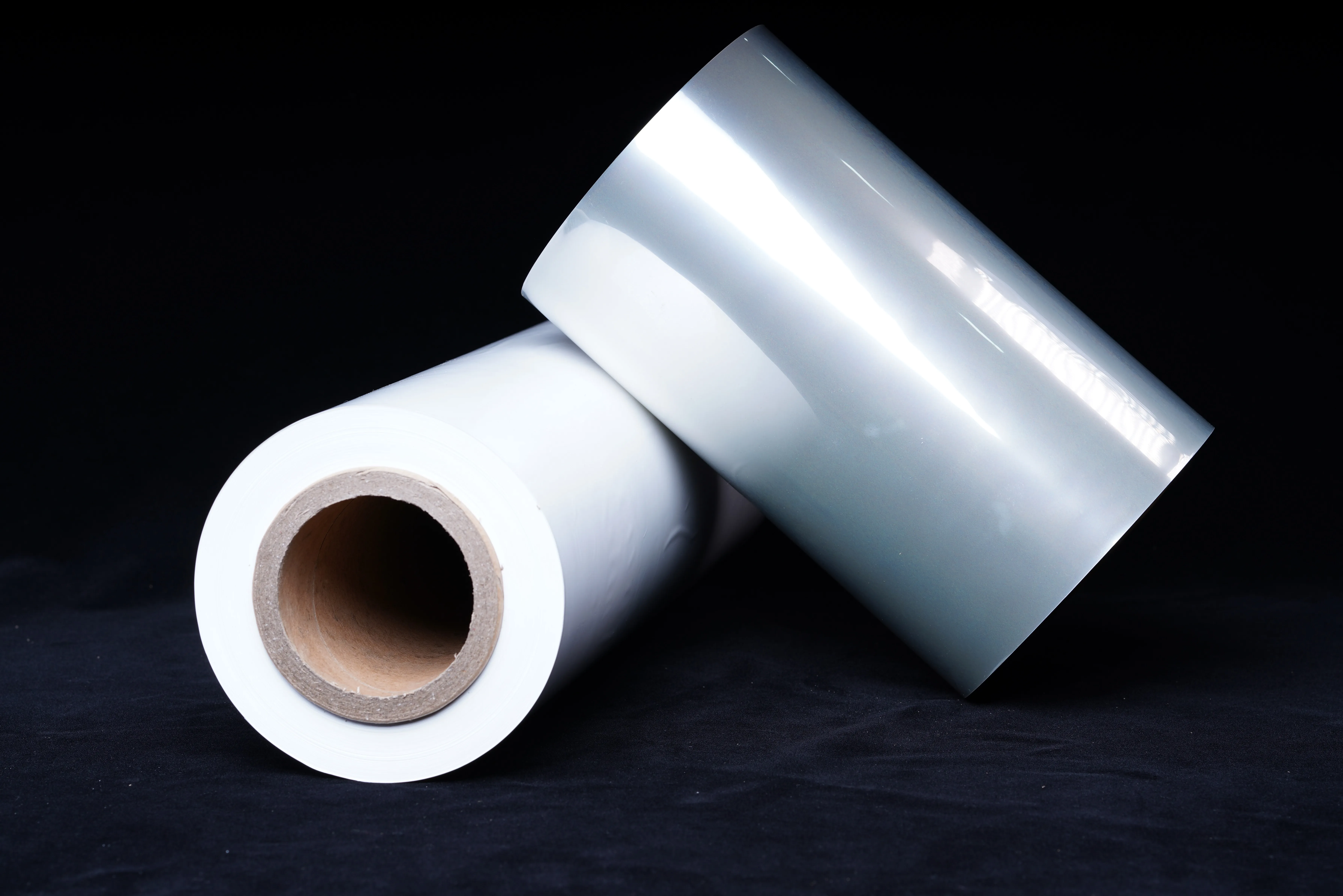
PETG film has become a widely adopted material in modern manufacturing and packaging industries due to its unique balance of clarity, toughness, and processing flexibility. As companies continue to replace traditional plastics with more efficient and recyclable alternatives, PETG-based materials are increasingly used in both consumer-facing and industrial applications. Its ability to perform under demanding conditions while maintaining visual quality makes it a preferred choice for engineers and product designers.
In industrial settings, material selection is often driven by performance, cost efficiency, and adaptability. This is where PETG film plays an important role, offering a combination of impact resistance and thermoformability that supports high-volume production processes. Unlike many rigid plastics, PETG film can be shaped at lower temperatures, which helps reduce energy consumption during manufacturing. At the same time, it maintains excellent transparency, making it suitable for applications where product visibility is essential.
PETG Film in Packaging Applications
One of the most significant uses of PETG film is in the packaging industry. Its clarity and strength make it ideal for protective and display packaging, especially in retail environments where product presentation influences consumer decisions. It is commonly used for blister packs, clamshell packaging, and transparent protective covers.
Manufacturers favor PETG film because it can be easily thermoformed into complex shapes without cracking or whitening. This ensures that packaged goods remain secure while still being visually accessible. Additionally, its resistance to impact helps protect fragile items during shipping and handling, reducing product damage and returns.
PETG film is also compatible with high-quality printing, allowing brands to incorporate logos, product details, and promotional graphics directly onto packaging surfaces. This enhances branding opportunities while maintaining material durability.
Use in Manufacturing and Industrial Processing
In manufacturing environments, PETG film is valued for its versatility and processing efficiency. It is commonly used as a base material for forming protective components, machine covers, and structural inserts. Because it softens at relatively low temperatures, it can be molded with less energy compared to other engineering plastics.
Its chemical resistance also makes it suitable for environments where exposure to oils, cleaning agents, or mild chemicals is common. This allows it to be used in production facilities without rapid degradation or performance loss.
In addition, PETG film supports various fabrication techniques such as cutting, bending, laminating, and vacuum forming. These properties make it a practical choice for manufacturers seeking scalable and cost-effective material solutions.
Applications in Medical and Healthcare Industries
The medical industry relies heavily on materials that offer both safety and clarity. PETG film meets these requirements and is widely used in the production of medical packaging, protective barriers, and device housings.
Its non-toxic nature and ability to withstand sterilization processes make it suitable for sensitive healthcare applications. It is often used to package medical instruments and disposable supplies, ensuring sterility while allowing visual inspection of contents.
During health emergencies, PETG-based materials have also been used in protective face shields and barrier screens. These applications highlight its importance in maintaining hygiene standards and supporting frontline healthcare infrastructure.
Industrial Display and Engineering Uses
Beyond packaging and medical applications, PETG film is also used in industrial display systems and engineering components. It is commonly found in point-of-sale displays, signage panels, and machine interface covers.
Its optical clarity ensures that digital displays and printed graphics remain highly visible, even in challenging lighting conditions. At the same time, its durability ensures long service life in both indoor and outdoor environments.
Engineers also use PETG film in protective overlays for control panels and instrumentation equipment. These overlays help shield sensitive electronics from dust, moisture, and mechanical damage while maintaining full visibility and usability.
Key Advantages in Industrial Applications
PETG film offers several advantages that explain its widespread adoption across industries. These benefits include both performance-related and operational efficiencies that support modern manufacturing demands.
Key advantages include:
- High impact resistance for protective applications
- Excellent transparency for product visibility and displays
- Low-temperature thermoforming for energy efficiency
- Strong chemical resistance for industrial environments
- Compatibility with printing and lamination processes
These characteristics allow manufacturers to reduce material waste, improve product durability, and streamline production workflows.
Conclusion
PETG film continues to play a vital role in industrial manufacturing and packaging due to its balanced performance and processing advantages. From retail packaging and medical protection to engineering components and display systems, its versatility supports a wide range of applications. As industries increasingly prioritize efficiency, safety, and sustainability, PETG film remains a reliable material choice for modern production needs.