
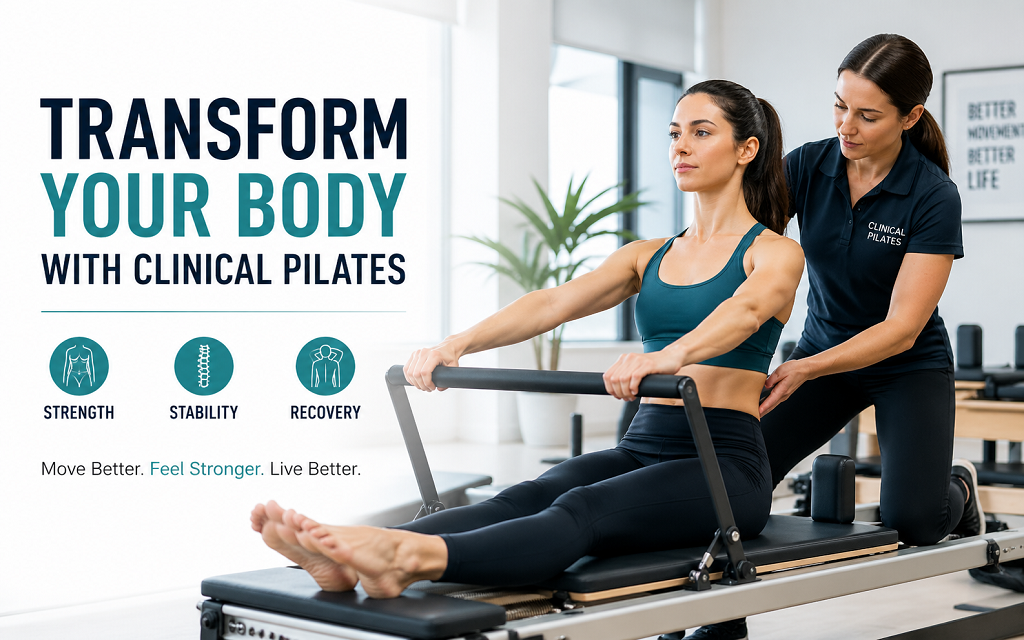
Have you ever wondered why some people bounce back from injuries faster than others? What if there was a way to build strength, improve your posture, and recover from pain—all at once? And what makes clinical Pilates different from the classes you might find at your local gym?
Clinical Pilates has been gaining serious traction in Australia, and for good reason. This isn’t your average exercise class. It’s a targeted, physiotherapist-led approach that combines the principles of traditional Pilates with rehabilitation science. Whether you’re dealing with chronic back pain, recovering from surgery, or simply wanting to move better in everyday life, clinical Pilates offers a tailored pathway to transformation.
In this guide, we’ll explore exactly what clinical Pilates involves and why it matters for your body. You’ll discover how it builds core strength, improves stability, and supports injury recovery. We’ll also cover what to expect from your first session and how to find the right practitioner near you. By the end, you’ll have a clear picture of whether clinical Pilates could be the missing piece in your health and fitness journey.
Understanding Clinical Pilates
What Is the Difference Between Clinical Pilates and Regular Pilates?
While both forms share common roots, clinical Pilates takes things to another level. Regular Pilates classes typically follow a set routine designed for general fitness. Clinical Pilates, on the other hand, is individually tailored to your specific needs and usually supervised by a qualified physiotherapist.
The key distinction lies in the assessment process. Before you begin, a physiotherapist evaluates your movement patterns, identifies weaknesses, and creates a programme just for you. This makes it particularly effective for people with injuries, chronic conditions, or specific rehabilitation goals.
How Clinical Pilates Works: The Science Behind the Method
Clinical Pilates targets the deep stabilising muscles that support your spine and pelvis. These muscles often become weak or dysfunctional after injury, surgery, or prolonged periods of inactivity.
Research shows that targeted exercises can retrain these muscles to activate properly. This improves movement quality and reduces the risk of future injuries. The slow, controlled movements characteristic of clinical Pilates also promote body awareness—helping you understand how you move and where you might be compensating.
Who Can Benefit from Clinical Pilates?
The short answer? Almost everyone. Clinical Pilates suits people of all ages and fitness levels. It’s particularly beneficial for:
- Those recovering from injuries or surgery
- People with chronic back or neck pain
- Pregnant women and new mothers
- Athletes looking to prevent injuries
- Anyone wanting to improve posture and core strength
Building Strength Through Clinical Pilates
How Does Clinical Pilates Build Core Strength?
Your core isn’t just your six-pack muscles. It’s a complex system of muscles that wraps around your entire trunk, providing stability for everything you do. Clinical Pilates targets these deep muscles—including your transverse abdominis, pelvic floor, and multifidus—in ways that traditional exercises often miss.
Through precise, controlled movements, you learn to engage these muscles correctly. Over time, this creates a strong foundation that supports your spine and improves your overall function. Many people notice improved back support and reduced pain within just a few weeks.
Full-Body Strengthening: Beyond the Core
While core strength gets most of the attention, clinical Pilates delivers full-body benefits. Sessions often incorporate exercises targeting your arms, legs, and back muscles. The beauty lies in the integration—you’re rarely working just one muscle group in isolation.
This approach mirrors how your body actually functions in real life. You’ll build functional strength that translates to easier daily activities, from carrying groceries to playing with your kids.
Is Clinical Pilates Good for Muscle Toning?
Absolutely. Clinical Pilates creates long, lean muscles through resistance-based exercises. Unlike heavy weightlifting, it emphasises controlled movements against moderate resistance. This approach tones without adding bulk.
Many people report feeling stronger and looking more defined after consistent practice. The focus on posture also means you’ll stand taller and appear more confident—a nice bonus on top of the physical benefits.
Achieving Stability and Better Posture
How Clinical Pilates Improves Balance and Coordination
Balance isn’t just about standing on one leg. It involves your visual system, inner ear, and the sensory receptors throughout your body working together. Clinical Pilates challenges all these systems through exercises performed in various positions.
As your stability improves, you’ll notice better coordination in everyday activities. This becomes increasingly important as we age, reducing the risk of falls and helping maintain independence.
Can Clinical Pilates Fix Poor Posture?
Poor posture develops over years of habit—slouching at desks, looking down at phones, and carrying stress in our shoulders. Clinical Pilates addresses these patterns by strengthening weak muscles and releasing tight ones.
Your physiotherapist will identify specific postural issues and design exercises to correct them. With consistent practice, many people experience significant improvements. You might find yourself sitting straighter naturally, without constantly reminding yourself to “sit up.”
Stability Training for Everyday Movement
The stability you build in clinical Pilates sessions directly transfers to daily life. Whether you’re bending to pick something up, reaching for items on high shelves, or simply walking, improved stability makes everything easier and safer.
This practical application sets clinical Pilates apart from exercises that might build strength but don’t translate to real-world movement patterns.
Clinical Pilates for Injury Recovery and Rehabilitation
How Does Clinical Pilates Help with Injury Recovery?
When you’re injured, your body develops compensatory movement patterns. These might help in the short term but often cause problems down the track. Clinical Pilates helps retrain proper movement patterns while building strength in affected areas.
The physiotherapist-led approach means exercises are progressed safely. You won’t be pushed too hard too fast, reducing the risk of re-injury.
Is Clinical Pilates Good for Back Pain Relief?
Back pain is one of the most common reasons people turn to clinical Pilates—and the evidence supports this choice. Studies consistently show that targeted core exercises reduce back pain and prevent recurrence.
Clinical Pilates specifically addresses the deep stabilising muscles that often become inhibited after back injuries. By reactivating these muscles, you create better spinal support and reduce strain on painful structures.
Post-Surgery Rehabilitation: What to Expect
After surgery, clinical Pilates provides a structured pathway back to full function. Your physiotherapist will work alongside your surgeon’s guidelines, progressively challenging your body as healing allows.
Initial sessions focus on gentle activation exercises. Over time, you’ll build towards more demanding movements. This graduated approach ensures safe, effective recovery.
Managing Chronic Pain with Clinical Pilates
Chronic pain changes how your nervous system processes signals. Clinical Pilates helps by improving movement confidence and gradually exposing you to activities you might have been avoiding.
The mindful, controlled nature of the exercises also promotes relaxation and reduces the muscle tension that often accompanies chronic pain conditions.
What to Expect from Your First Clinical Pilates Session
Initial Assessment and Goal Setting
Your first session will typically involve a thorough assessment. Your physiotherapist will discuss your history, current concerns, and goals. They’ll observe how you move and identify areas needing attention.
Based on this assessment, you’ll work together to set realistic goals. This collaborative approach ensures your programme addresses what matters most to you.
How Long Does It Take to See Results from Clinical Pilates?
Most people notice some improvements within four to six weeks of consistent practice. However, lasting changes to movement patterns and strength typically require three to six months.
The key is consistency. Attending sessions regularly and practising exercises at home accelerates your progress significantly.
Choosing the Right Clinical Pilates Practitioner
What Qualifications Should a Clinical Pilates Instructor Have?
Look for practitioners who are qualified physiotherapists with additional training in clinical Pilates. This combination ensures they understand both rehabilitation principles and Pilates methodology.
In Australia, physiotherapists complete university degrees and ongoing professional development. Ask about their specific Pilates training and experience with conditions similar to yours.
Finding a Physiotherapist-Led Studio Near You
Many physiotherapy clinics now offer clinical Pilates services. Start by searching for “clinical Pilates” combined with your suburb or city. Read reviews and don’t hesitate to call and ask questions before booking.
Consider factors like class sizes, equipment available, and whether they offer individual or group sessions. The right fit will depend on your preferences and needs.
Taking the First Step Towards Transformation
Clinical Pilates offers a unique combination of strength building, stability training, and rehabilitation support. Unlike generic exercise programmes, it’s tailored specifically to your body and goals. Whether you’re recovering from injury, managing chronic pain, or simply wanting to move better, this approach delivers real results.
The science behind clinical Pilates is solid, and countless Australians have transformed their bodies and lives through consistent practice. The key benefits—core strength, improved posture, better balance, and pain relief—work together to enhance your overall quality of life.
So, what’s stopping you from giving it a go? Find a qualified physiotherapist-led studio and explore professional clinical Pilates in Canterbury to begin your transformation journey. Your body will thank you for taking this step. The transformation you’re looking for might just be a few sessions away.
