
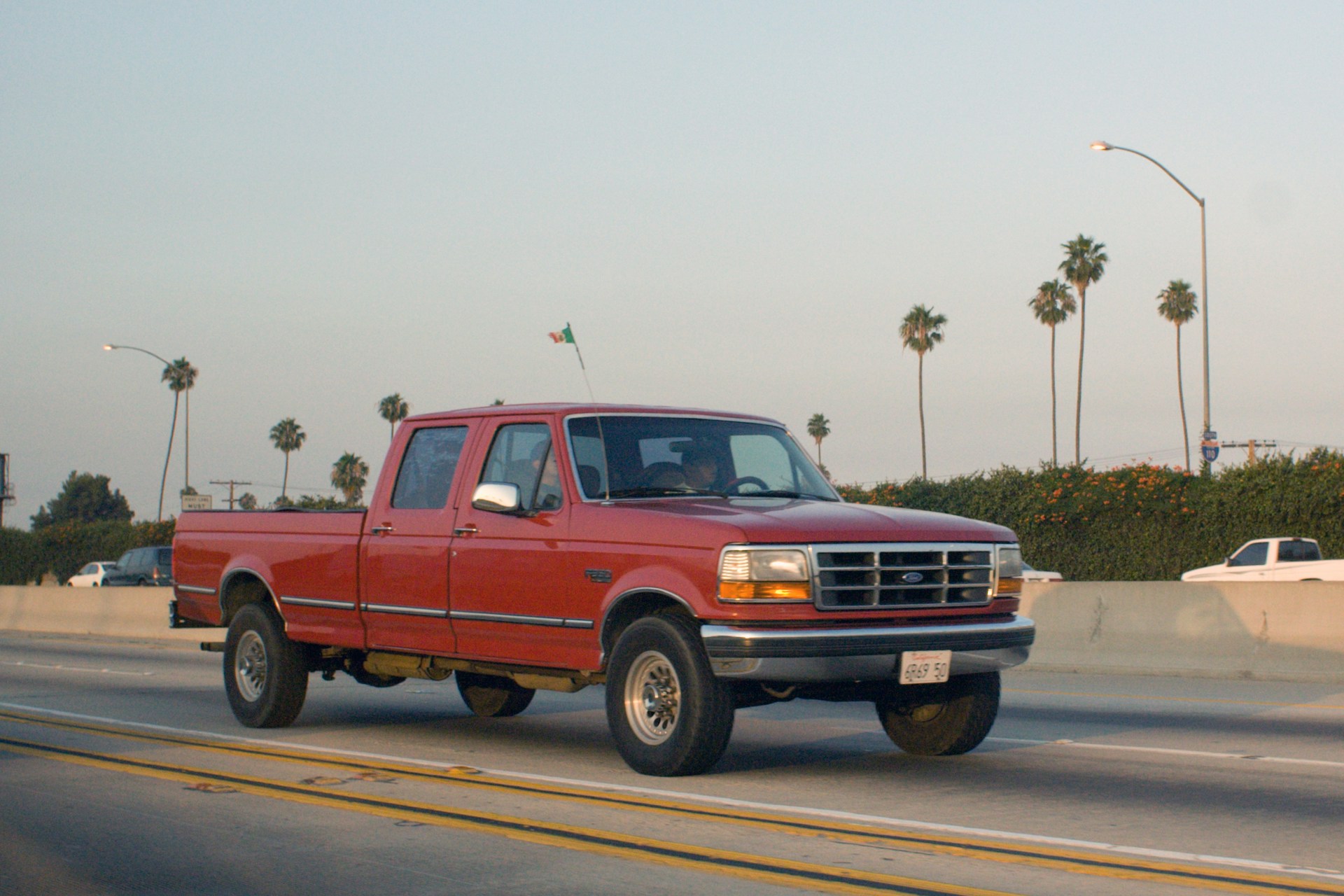
For truck owners in Venice, driving a truck comes with an invisible tax.
Between the constant salt spray drifting off the Pacific and the relentless UV exposure that defines Southern California, maintaining a truck in this environment requires moving beyond standard waxes and garage storage; it requires a strategy rooted in sealing out the elements before they can take hold.
The Abrasive Nature of the Shoreline
The biggest threat is the fine, silica-rich sand that permeates the air. It finds its way into every crevice, acting as a high-grit sandpaper against the paint whenever the wind picks up or the vehicle is in motion.
Over time, these micro-abrasions strip away the factory clear coat, leaving the metal vulnerable.
When combined with the salt-heavy humidity of the marine layer, these scratches become the perfect entry points for oxidation. Once the maritime air hits bare metal, the degradation happens with a speed that can catch even diligent owners off guard. It’s a process of slow erosion that demands a more permanent solution than a seasonal detail.
Creating a Chemical and Physical Barrier
Local drivers who prioritize longevity have shifted their focus toward high-durability coatings that offer more than just a surface-level shine. While a standard factory finish looks sharp on the showroom floor, it rarely possesses the thickness needed to withstand the abrasive choreography of the coast. This is why many are opting for more rugged, textured solutions.
Utilizing a high-quality spray on bedliner paint has evolved from a utility-focused modification for the truck bed into a comprehensive protection strategy for the entire vehicle. By applying these poly-functional coatings to rocker panels, wheel wells, and even front bumpers, owners create a chemical barrier that salt simply cannot penetrate. This thick, rubberized membrane absorbs the impact of flying debris and road salt, ensuring the underlying chassis remains untouched by the corrosive coastal atmosphere.
Beyond the exterior surfaces, long-term protection in Venice requires a focus on salt traps – keeping the “weep holes” at the bottom of doors and tailgates entirely clear of sand. If these small drainage gaps are plugged by fine coastal silica, they trap salt-laden moisture inside the panels, leading to internal rot that often remains invisible until it is too late.
The same bedliner paint applied to the bed to reinforce the inner lips of the door sills and the lower quarters of the rocker panels will mean that even when water and sand sit in these hidden pockets, the metal is completely isolated by a non-porous barrier. When combined with a weekly high-pressure undercarriage flush to clear the chassis rails, this internal-first strategy prevents the stagnant humidity that usually precedes structural failure, ensuring the truck remains as solid as it looks.
Combatting Solar Degradation
The sun is the other half of the equation. Venice’s high UV index doesn’t just fade a truck’s color; it breaks down the clear coat’s molecular structure, leading to “clear coat failure” – those unsightly white flakes that signal a permanent loss of value. This solar bombardment is particularly harsh on horizontal surfaces that catch the midday glare.
Protecting against this means looking for materials with inherent UV stability. Unlike traditional plastics that become brittle and crack under the sun, modern industrial-grade coatings are designed to remain flexible.
This allows the material to absorb the thermal expansion and contraction that happens when a truck sits in the sun all day and cools down rapidly as the fog rolls in at night.
