
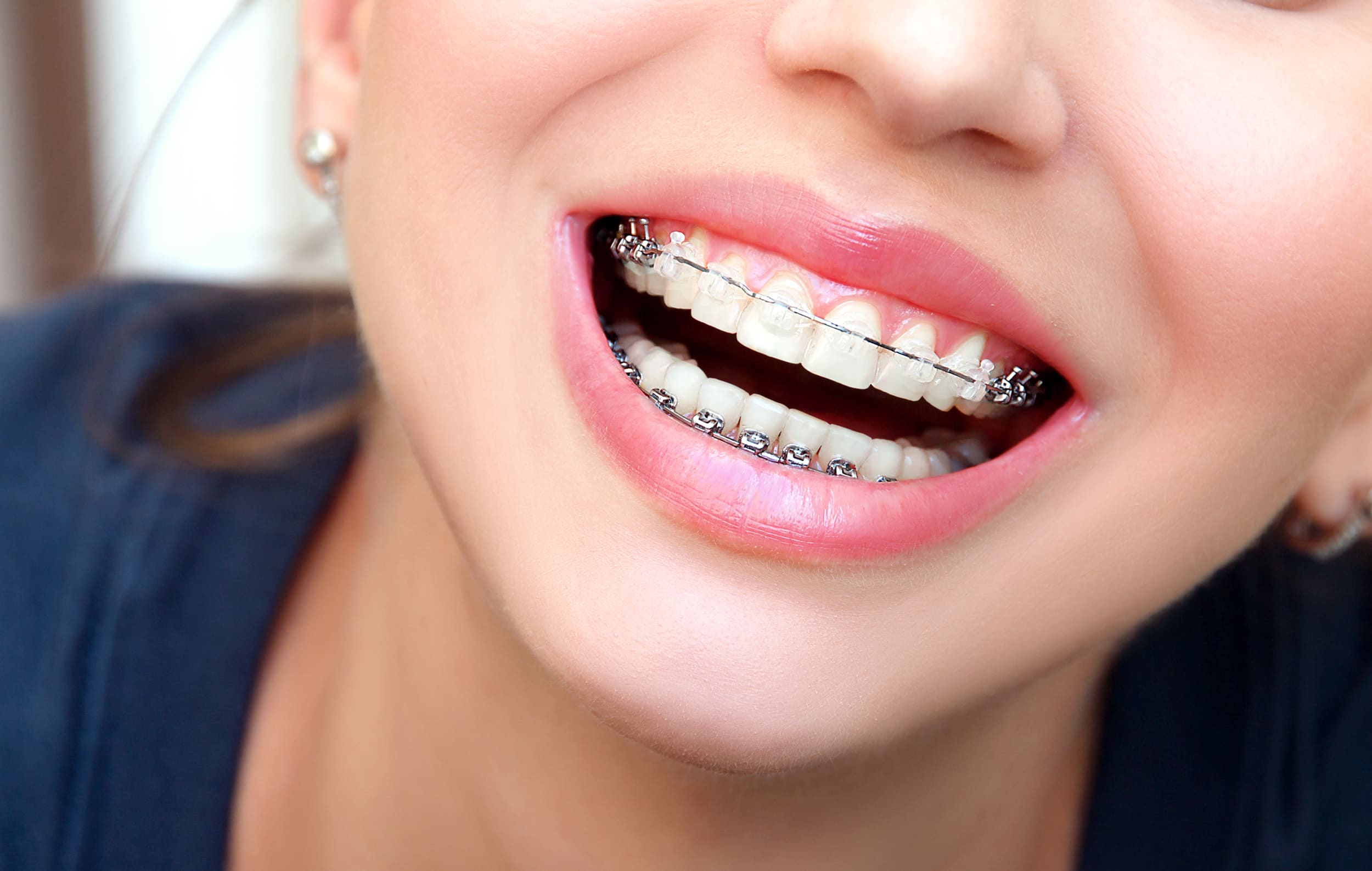
Choosing braces can feel like a big step, especially when you are not sure which option fits your teeth. Some people want straighter teeth for a better smile. Others need help with gaps, crowding, or bite problems. Either way, braces can do more than change how your teeth look. They can also make chewing, cleaning, and daily comfort easier.
The right braces depend on your teeth, age, lifestyle, and budget. Some people need strong traditional braces. Others may prefer a more discreet option. If you are looking for braces in Richmond TX, it helps to understand the choices before you start treatment.
A good dental visit can make the decision much easier. Your dentist can check your teeth, explain your options, and help you choose a plan that feels realistic.
Why Braces Are Still a Trusted Smile Solution
Braces have been used for many years because they work well for many smile concerns. They can help move teeth into better positions and support a healthier bite. The American Dental Association explains that orthodontic treatment is used to create a healthy bite, where teeth meet properly with the teeth in the opposite jaw.
This matters because straight teeth are not only about looks. When teeth are crowded or overlapping, they can be harder to brush and floss. When the bite is off, some teeth may take more pressure than others. Over time, this can lead to discomfort or uneven wear.
Braces can help with crowded teeth, gaps, overbites, underbites, crossbites, and teeth that have shifted over time. They work slowly and carefully, which is why treatment takes time.
Signs You May Need Braces
You may need braces if your teeth are crowded, crooked, or spaced too far apart. You may also notice that your upper and lower teeth do not meet comfortably when you bite down.
Some people feel jaw soreness or have trouble chewing certain foods. Others notice that food gets stuck between teeth because of tight spaces or uneven gaps. Teeth that overlap can also make brushing harder.
Parents may notice these signs in children or teens. Adults may also notice changes later in life, especially if teeth shift after past dental work or after not wearing a retainer.
If something feels off with your bite or smile, a dental exam can help you understand the cause.
Common Types of Braces to Consider
There is no single braces option that works best for everyone. Each type has its own benefits. The right choice depends on the case and what the patient feels comfortable wearing.
Traditional Metal Braces
Traditional metal braces are one of the most common options. They use brackets and wires to guide teeth into better positions. They are strong and reliable, especially for more detailed tooth movement.
Metal Braces in Richmond may be a good choice for patients with crowding, gaps, or bite issues that need steady correction. They are visible, but many people choose them because they are effective and often suitable for both teens and adults.
Some patients may feel mild pressure after adjustments. However, most people get used to them after a short time.
Ceramic Braces
Ceramic braces work in a similar way to metal braces. The main difference is appearance. The brackets are tooth-colored or clear, so they blend in better with natural teeth.
This option may suit people who want the strength of braces but prefer a less noticeable look. Adults and older teens may like ceramic braces because they feel more subtle in photos, school, or work settings.
Ceramic braces still need careful cleaning. Since the brackets are lighter in color, patients should follow care instructions to keep them looking clean.
Clear Aligners
Clear aligners are removable trays that fit over the teeth. The American Association of Orthodontists explains that aligners are clear plastic pieces shaped to the patient’s mouth and are often used to straighten crooked or crowded teeth.
Many people like aligners because they are less visible. They can also be removed for eating, brushing, and flossing. However, they only work well when worn as directed. If a patient forgets to wear them, treatment may take longer.
Clear aligners may work for mild to moderate cases, but they are not always best for complex bite problems.
How to Choose Braces That Fit Your Lifestyle
Your daily routine matters when choosing braces. Think about school, work, sports, meals, photos, and how much time you can spend on cleaning.
For teens, braces should fit school life and daily habits. Parents searching for teen braces Richmond Tx may want an option that works well and is easy for their child to manage. Metal braces can be a strong choice because they stay fixed on the teeth. Clear aligners need more responsibility because they must be worn for the right number of hours.
Adults may care more about appearance during meetings, events, or work. In that case, ceramic braces or aligners may feel more comfortable socially.
Your dentist can help you compare options based on your habits, not just your teeth.
Comfort and Appearance During Treatment
It is normal for braces to feel strange at first. Your cheeks, lips, and tongue may need time to adjust. You may also feel pressure after the braces are placed or adjusted.
This feeling usually improves as your mouth gets used to the appliance. Soft foods can help during the first few days. Brushing carefully and keeping the mouth clean also helps reduce irritation.
Appearance is another concern for many patients. Some people do not mind visible braces. Others want something more discreet. That is why ceramic braces and clear aligners are popular choices for patients who want a lower-profile look.
Still, comfort and appearance should not be the only factors. The braces also need to match your dental needs.
Treatment Time and What Affects It
Braces take time because teeth move slowly. Treatment length can depend on the amount of crowding, bite problems, age, and how well patients follow instructions.
Some cases are simple and may finish faster. Other cases need more time because the bite needs careful correction. Missed appointments, broken brackets, or poor aligner wear can also slow progress.
Regular visits are important because the dentist or orthodontic provider needs to check movement and make adjustments. Patients should also follow food rules and cleaning instructions to avoid delays.
The best way to understand your timeline is to ask during your consultation.
Cost and Payment Options for Braces
The cost of braces can vary. It depends on the type of braces, how complex the case is, how long treatment may take, and what is included in the plan.
Metal braces may cost differently than ceramic braces or clear aligners. Some patients may also need X-rays, scans, retainers, or follow-up visits. That is why it is smart to ask for a clear estimate.
If you are looking for a Dentist Richmond tx for braces, ask about payment options during the visit. Many dental offices offer flexible plans to make treatment easier to manage.
Do not choose braces only by price. A lower price may not always include everything. Clear treatment details matter more.
Caring for Your Teeth While Wearing Braces
Good cleaning is very important during braces treatment. Food can get stuck around brackets and wires. If it stays there, it can lead to plaque buildup, stains, or gum problems.
Brush after meals when possible. Floss carefully using tools made for braces. Avoid sticky, hard, or chewy foods that may break brackets or bend wires.
Clear aligners also need care. Patients should clean the trays and brush before putting them back in. Wearing aligners over dirty teeth can trap food and bacteria.
Good habits during treatment can help your final smile look healthier and cleaner.
Life After Braces
Braces are not the final step. After treatment, most patients need retainers. Retainers help keep teeth in their new position. The AAO explains that orthodontic professionals provide retainer care instructions based on the patient’s specific type of retainer.
This step matters because teeth can shift again over time. If you do not wear your retainer as directed, your smile may slowly move out of place.
Think of retainers as smile maintenance. They help protect the time, money, and effort you put into braces.
Final Thoughts
Choosing the right braces should not feel rushed. Take time to understand your options, ask questions, and think about your lifestyle. Metal braces, ceramic braces, and clear aligners can all be helpful, but the right choice depends on your smile needs.
At Glow Up Dentistry, patients can learn about braces options in a simple and comfortable way. With the right plan, braces can help create a smile that looks better, feels better, and supports long-term oral health.
FAQs
What braces option works best for teenagers?
Teenagers often do well with metal braces because they stay fixed on the teeth and do not need to be removed. However, some teens may qualify for clear aligners if they can wear them responsibly every day.
Are metal braces better than clear aligners?
Metal braces may be better for complex tooth movement or bite correction. Clear aligners can work well for mild to moderate cases. The better choice depends on your teeth, goals, and how well you can follow treatment instructions.
How long do braces usually take?
Braces often take several months to a few years, depending on the case. Crowding, gaps, bite problems, missed visits, and broken brackets can affect timing. Your dentist can give a better estimate after checking your teeth.