
When the Wind Becomes the Real Contractor
In Louisiana, building a fence isn’t just about privacy or curb appeal — it’s about survival. Every summer, homeowners across the state brace for a hurricane season that tests more than just the strength of rooftops and siding. Wind gusts exceeding 100 miles per hour and week-long downpours can reduce a standard wooden fence to splinters in just a few hours.
“We don’t build for good weather,” says Kip McDonald, owner of Primescape Fence & Stain. “We build for the kind of weather that knocks out power for a week and sends patio furniture into the neighbor’s yard.”
For more than a decade, Primescape has been quietly redefining what durability looks like in the Gulf South. The company’s focus on structural integrity, advanced materials, and storm-tested methods has made it one of Louisiana’s go-to contractors for homeowners seeking more than just a decorative boundary line.
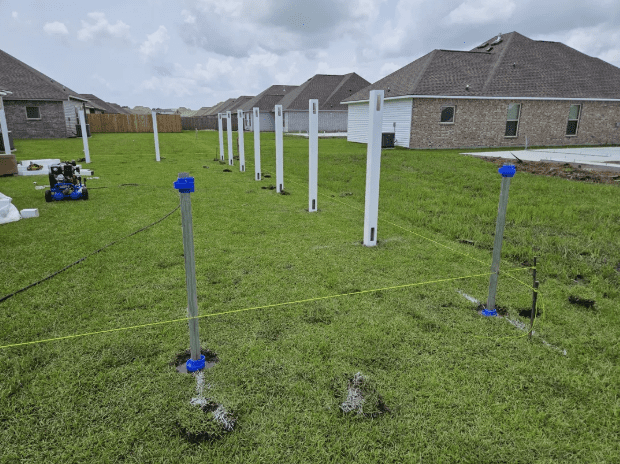
Primescape crews secure PostMaster Plus steel posts — a key component in fences designed to withstand hurricane-force winds.
The Science of Staying Upright
Louisiana’s climate is a brutal testing ground. The state averages more than 60 inches of rainfall annually, along with high humidity levels that accelerate wood rot and corrosion. According to NOAA, tropical storms with sustained winds exceeding 74 mph strike the Gulf region annually, often with little to no warning.
“The old way of doing things — four-by-fours in the dirt and hope for the best — doesn’t cut it anymore,” McDonald says. “We switched entirely to PostMaster Plus steel posts because they anchor deep, resist rust, and tie directly into the fence’s horizontal structure. They’re engineered to handle winds that rip most fences apart.”
Those steel posts, combined with pressure-treated lumber and weatherproof stains, form the backbone of Primescape’s “storm-ready” fence system. Each installation is planned using local soil data and wind-load guidelines to ensure structural balance. Even stain application follows a precise process designed to seal out moisture while allowing for natural expansion and contraction.
Engineered for the Gulf: Primescape’s reinforced fencing systems are designed to withstand sustained winds up to 73 mph — over twice the strength of standard installations.
Designing for the Elements
Unlike generic contractors, Primescape approaches every project with environmental awareness built into its workflow. Crews assess prevailing wind direction, drainage patterns, and sunlight exposure before digging the first posthole. Each of those variables influences long-term fence stability.
Homeowners can explore the same construction approach outlined here on the company’s Louisiana fence installation services page, where Primescape details its methods for storm-resistant builds and custom staining solutions.
“A fence isn’t just a structure — it’s part of an ecosystem,” McDonald explains. “If you don’t design for water flow or soil shift, nature will redesign it for you.”
That attention to environmental mechanics has paid off. Clients in parishes such as Livingston, Ascension, and Tangipahoa report that their Primescape fences outlast older ones by an average of five to seven years. The combination of steel reinforcement and eco-friendly oil-based stains reduces both rot and ultraviolet breakdown — the twin killers of Louisiana lumber.
Eco-friendly, oil-based stains extend the lifespan of the fence while maintaining the natural wood grain and color integrity.
Warranties That Mean Something
Durability isn’t just about materials — it’s about accountability. Primescape backs every fence with a lifetime workmanship warranty and multi-year protection on stains and finishes. That’s rare in an industry where “warranty” often means a handshake and a prayer.
“We’ve seen homeowners spend thousands replacing fences that weren’t even five years old,” McDonald says. “We decided early on that if we were going to promise quality, we’d put it in writing.”
Those guarantees are backed by meticulous inspection and documentation. Each Primescape project is logged with photos, material lists, and maintenance notes — a level of transparency that benefits both customers and insurers.
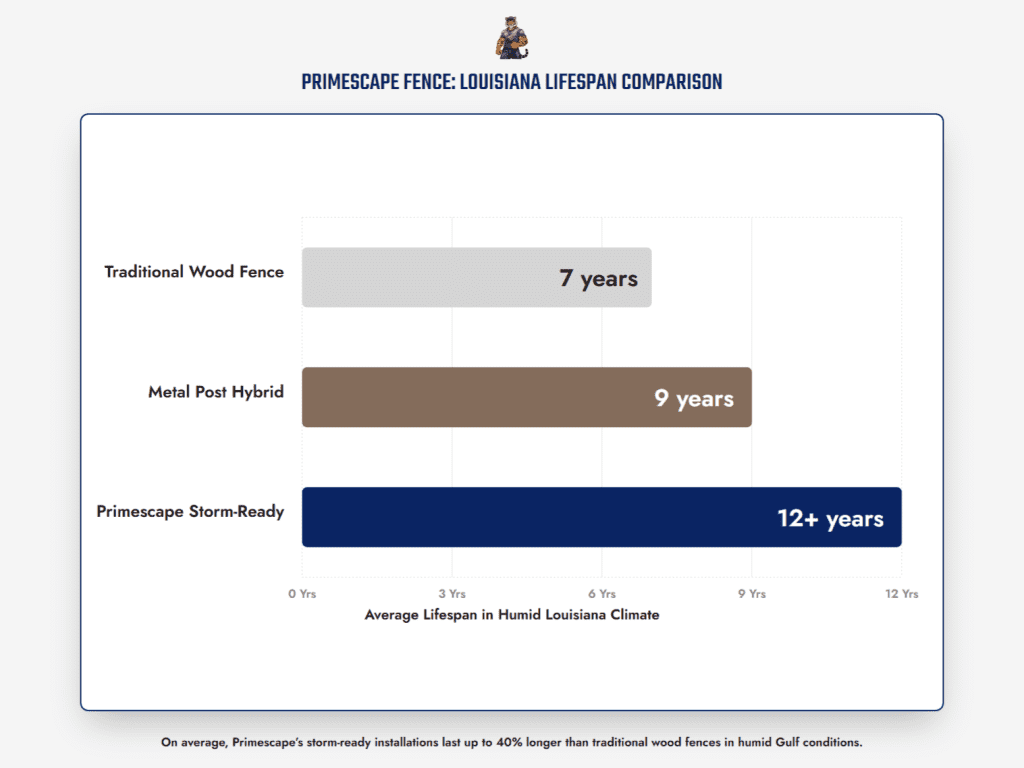
On average, Primescape’s storm-ready installations last up to 40% longer than traditional wood fences in humid Gulf conditions.
From Storm Season to Selling Season
As insurance adjusters and realtors increasingly factor fence integrity into property valuations, storm-ready designs have shifted from a luxury to a necessity. A well-built fence not only prevents damage but also enhances the property’s resale value and reduces the likelihood of repair claims.
“Resilience sells,” McDonald says. “When a buyer sees a fence that’s straight and solid after three hurricane seasons, that’s confidence built into the property.”
With climate events intensifying across the Gulf Coast, Primescape’s approach reflects a broader shift toward smarter construction — one that values foresight as much as finish.
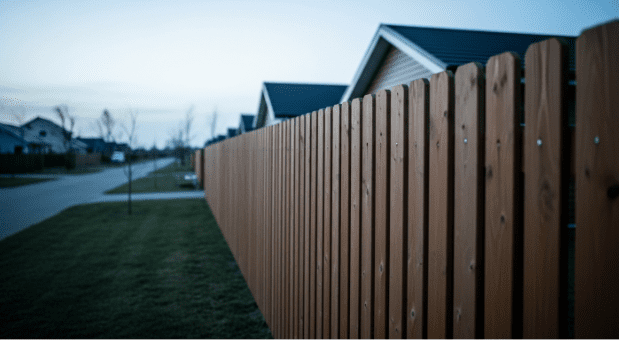
Fences that endure: Primescape installations built with storm-rated materials remain standing even after severe weather events.
The Future of Fence Building in Louisiana
McDonald believes the next wave of progress will come from education — teaching homeowners about the materials, treatments, and designs that actually withstand Louisiana’s climate. He also views collaboration between contractors and local governments as crucial to enhancing building standards.
“We’re not just building fences,” he says. “We’re building peace of mind — and that’s worth protecting.”