
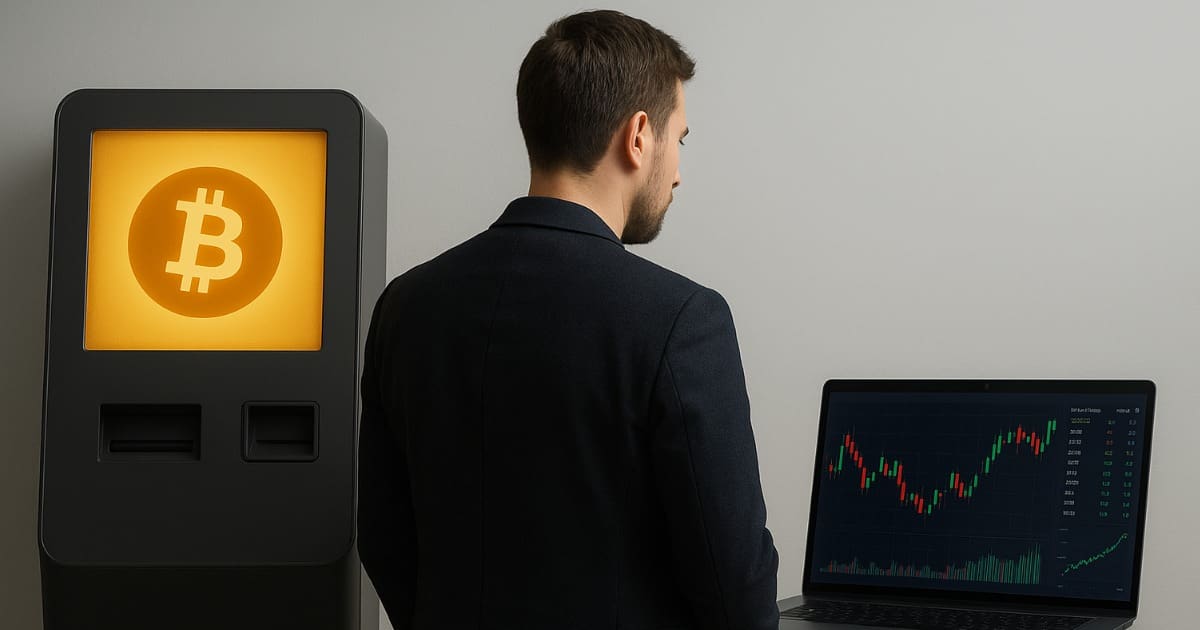
Choosing between Bitcoin ATMs and online exchanges is like deciding between taking a scenic road trip or a quick flight; both will get you to your destination, but the experience vastly differs.
You’ve probably pondered the convenience of walking up to a Bitcoin ATM versus the broader options and potentially lower fees of online exchanges. However, considerations such as privacy, security, and accessibility play crucial roles in your decision.
Before you make your next move in the cryptocurrency world, you’ll want to weigh these factors carefully to determine which route aligns best with your needs.
Let’s explore what sets them apart and perhaps uncover which one truly suits your crypto journey.
Understanding Bitcoin ATMs
Bitcoin ATMs offer a convenient way for you to buy and sell cryptocurrency directly, without the need for an online exchange. Unlike traditional ATMs that dispense cash, these machines allow you to conduct transactions in Bitcoin, using cash or debit cards to purchase or selling Bitcoin for cash. They’re typically found in public places like shopping malls, coffee shops, and airports, making them easily accessible if you’re on the go or prefer physical transactions.
Using a Bitcoin ATM is straightforward. You’ll start by verifying your identity, often through a mobile phone number or ID scan, depending on the machine’s requirements and transaction limits. To buy Bitcoin, you’ll insert cash or use your debit card, then scan your Bitcoin wallet’s QR code to deposit the newly purchased cryptocurrency directly into your wallet. Selling Bitcoin involves sending it from your wallet to the ATM’s address and then withdrawing the equivalent amount in cash.
The main advantage of Bitcoin ATMs is their simplicity and immediacy. You don’t need to navigate the complexities of online exchanges, wait for bank transfers, or worry about online wallet security. However, this convenience often comes with higher transaction fees compared to online exchanges, a crucial factor to consider in your decision-making.
The Basics of Online Exchanges
Navigating the world of online exchanges can significantly expand your cryptocurrency trading options, offering a more diverse and often more cost-effective way to manage your digital assets.
Online exchanges provide a platform for you to buy, sell, and trade a wide array of cryptocurrencies, from Bitcoin to lesser-known altcoins. They’re designed to facilitate the trading process, making it accessible even if you’re new to the crypto scene. You’ll find that setting up an account is typically straightforward, requiring you to verify your identity to comply with financial regulations. This step is crucial for ensuring the security of your transactions and the integrity of the exchange.
Once you’re set up, you can deposit fiat money, such as dollars or euros, using various payment methods, including bank transfers and credit cards. This flexibility allows you to fund your trades in a way that suits you best. The exchanges also provide tools and charts to help you track the market, making informed decisions easier.
Privacy and Anonymity Considerations
While online exchanges offer convenience and a range of services, it’s essential to consider how they handle your privacy and anonymity. Many require you to verify your identity with personal documents, which means your transactions can be traced back to you. This mightn’t sit well if you’re seeking to keep your financial activities private.
On the flip side, Bitcoin ATMs present a more anonymous way to buy and sell Bitcoin. Though some machines ask for phone verification for larger transactions, many operate with minimal identity checks, especially for smaller amounts. This anonymity comes at a premium, but it’s a trade-off you might be willing to make for the sake of privacy.
However, don’t assume all ATMs guarantee complete anonymity. It’s vital to research and understand the specific policies of the ATM you plan to use. Some might log transaction details or have cameras, potentially compromising your anonymity.
In choosing between online exchanges and Bitcoin ATMs, reflect on your privacy priorities. If you’re leaning towards complete anonymity, ATMs might be your go-to. But remember, the level of privacy varies, so always do your homework before transacting.
Comparing Fees and Costs
Understanding the varying fees and costs associated with Bitcoin ATMs and online exchanges is crucial when deciding the best option for your cryptocurrency transactions. Typically, Bitcoin ATMs charge higher transaction fees compared to online exchanges. The convenience of using a physical machine comes at a cost, with fees often ranging between 7% to 10% per transaction. This premium covers the operational costs of the ATMs, including maintenance and location fees.
On the other hand, online exchanges usually offer lower fees, generally around 1% to 4% per transaction. These platforms can afford to charge less due to the lack of physical infrastructure and lower overhead costs. Additionally, online exchanges often provide tiered fee structures, rewarding users with lower fees for higher volume trades, something you won’t find at a Bitcoin ATM.
However, it’s important to factor in any hidden or additional costs. For example, online exchanges may charge deposit or withdrawal fees, which can add up, especially if you’re moving funds frequently. Similarly, Bitcoin ATMs may have variable fees based on the amount of the transaction or the specific machine’s location.
Choosing between a Bitcoin ATM and an online exchange isn’t just about the sticker price on transactions; it’s about understanding the full spectrum of fees and how they align with your trading habits and needs.
Accessibility and Ease of Use
After comparing the fees and costs, it’s crucial to examine how accessible and easy to use Bitcoin ATMs and online exchanges are for everyday transactions.
Bitcoin ATMs provide a straightforward, tangible way to buy or sell Bitcoin. You’ll find them in convenient locations like shopping centers, cafes, and airports, making it easy for you to walk up and complete a transaction in minutes. However, if you’re not near a Bitcoin ATM, you might find this option less accessible.
On the other hand, online exchanges offer the flexibility to trade Bitcoin from anywhere, at any time. All you need is an internet connection and a computer or smartphone. This makes online exchanges highly accessible, especially if you’re always on the go or prefer to handle transactions from the comfort of your home.
When it comes to ease of use, Bitcoin ATMs are quite user-friendly, especially for beginners or those less tech-savvy. The process is as simple as scanning a QR code and inserting cash. Online exchanges, while offering more features, can have a steeper learning curve. You’ll need to navigate through various trading options and understand wallet management, which might feel overwhelming at first.
Security Measures and Risks
When considering Bitcoin ATMs and online exchanges, it’s crucial to evaluate the security measures in place and understand the potential risks involved. Bitcoin ATMs often require a form of ID for transactions, ensuring a level of user verification. They’re generally considered safe, but you’re also exposed to the risk of physical theft or skimming devices that can steal your information directly from the machine.
On the other hand, online exchanges use advanced encryption and security protocols to protect your digital assets. They might offer two-factor authentication, cold storage for funds, and insurance in case of a breach.
However, you’re not immune to risks with online exchanges. Cyberattacks can target these platforms, potentially leading to the loss of your funds. Phishing scams are also a significant concern, tricking you into giving away login details.
Ultimately, your choice depends on your comfort with these security measures and your assessment of their risks. If you prefer physical transactions and can safeguard your personal security at ATMs, they might be right for you. If you’re tech-savvy and confident in managing digital security tools, online exchanges could offer the convenience and security you’re looking for.
Conclusion
In conclusion, choosing between Bitcoin ATMs and online exchanges depends on what you value most. If you prioritize privacy and immediate transactions, ATMs might be your go-to.
However, if you’re looking for lower fees, more trading options, and don’t mind a bit more complexity, online exchanges are likely a better fit.
Remember, both have their risks, so always prioritize security. Ultimately, it’s about what makes your crypto journey easiest and aligns with your personal preferences and needs.