
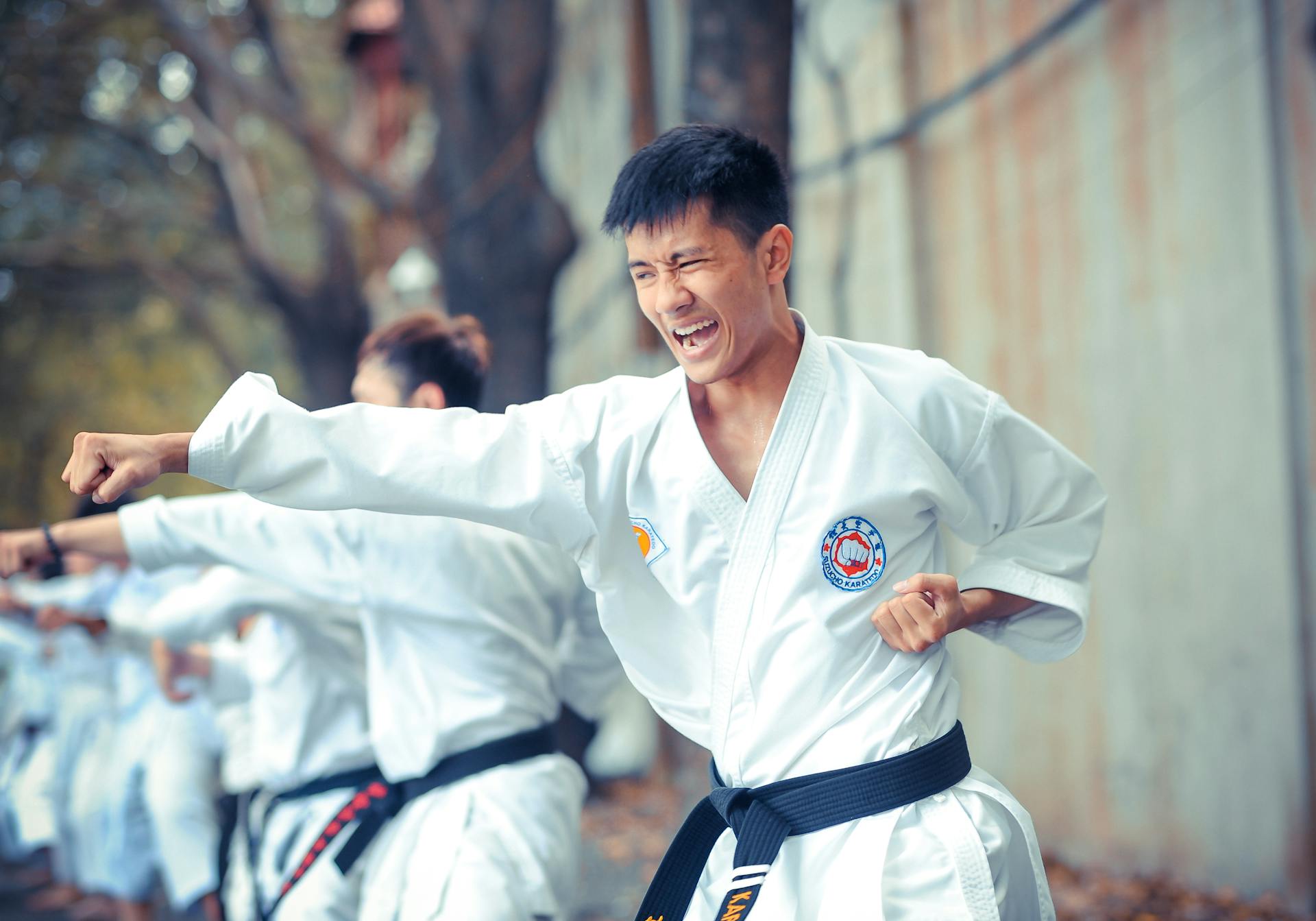
When we discuss self-defense, the conversation often drifts toward specific maneuvers—how to escape a wrist grab or how to throw a proper punch. While these technical skills are vital, true self-defense is a holistic system that begins long before a physical confrontation occurs. Karate, when practiced with an eye toward practical application, provides a comprehensive framework for personal safety that addresses the physical, psychological, and strategic elements of survival.
In a modern environment, “winning” a self-defense situation is defined by the preservation of safety. To achieve this, a practitioner must understand the transition from the structured environment of the dojo to the chaotic, unpredictable nature of the street.
The Strategy of Pre-Emptive Awareness
The first and most effective layer of Karate is Senshen, the initiative of spirit. In the context of self-defense, this translates to situational awareness. Most physical altercations are preceded by “pre-attack indicators”—behavioral red flags that signal an impending threat.
Karate training sharpens the senses to notice:
- Targeting behavior: An individual watching you or following your movements.
- Closing the distance: Someone moving into your personal space without a clear, non-threatening reason.
- Emotional volatility: Recognizing when someone is looking for a physical outlet for their frustration.
By developing this “radar,” a Karateka can often resolve a situation by simply leaving the area or changing their position. The most successful self-defense encounter is the one that never happens.
The Physics of Impact and Structural Integrity
If avoidance fails, the physical principles of Karate provide a decisive advantage. Unlike many sports that rely on strength and endurance, Karate is designed to maximize efficiency. This is particularly important because an attacker in a real-world scenario is often larger or stronger than the defender.
Karate utilizes the entire body as a single unit. When a practitioner delivers a strike, they aren’t just using their arm; they are driving their weight through their legs, rotating their hips, and aligning their skeletal structure to deliver a concentrated force. This “body connection” allows a smaller person to generate enough power to momentarily disable an aggressor, creating the necessary window to escape.
Furthermore, Karate emphasizes the use of natural weapons—parts of the body that are naturally hard, such as the elbow, the knee, and the heel of the palm—against an attacker’s vulnerable points. This focus on anatomical efficiency ensures that the defender does not need to be an elite athlete to be effective.
Developing Resilient Character in the Next Generation
One of the most profound benefits of Karate is its impact on the development of children. In an era where bullying and digital distractions are prevalent, the discipline of a traditional martial art offers a grounded sense of reality. Children learn that their bodies are capable of great things, which builds an authentic self-esteem that isn’t easily shaken by peer pressure or intimidation.
The confidence gained through Karate acts as an “invisible shield.” A child who carries themselves with the poise and alertness of a martial artist is statistically less likely to be targeted by bullies. They learn the value of boundaries—knowing when to speak up, when to walk away, and how to protect themselves if they have no other choice.
For parents interested in how these traditional values can be applied to modern childhood development and safety, there are excellent resources available online: https://www.karatekidsgym.com/index_lay-show-ac-article-Id-538702550.html
The Tactical Escape: The True “Finish”
In a movie, the fight ends when the hero stands over the fallen villain. In real-life self-defense, the fight ends when the defender is safe and out of reach. Karate teaches the “check and exit” strategy. Every defensive maneuver should be followed by a quick assessment of the surroundings (checking for multiple attackers) and an immediate retreat toward safety.
The “win” is returning home to your family. By treating Karate as a comprehensive lifestyle of readiness—rather than just a Wednesday night hobby—practitioners of all ages can navigate the world with a sense of calm, capable security.