

For a long time, traditional credit ratings have been the basis for lending decisions. They offer vital information about a borrower’s credit history, but they don’t necessarily give a whole picture of an individual’s financial health. Alternative data is developing as a valuable tool for more inclusive and accurate lending as credit unions look for ways to improve access to credit, while managing risk effectively.
The Limitations of Traditional Credit Scoring
Traditional credit scoring algorithms put a lot of weight on credit history, payment behavior and existing debt. But many customers have thin credit files or no credit history. This might include young adults, recent immigrants, gig workers and those who mostly utilize cash or debit cards.

This means even creditworthy customers might fall through the cracks despite having demonstrated responsible financial behavior in other aspects of their lives.
What Is Alternative Data?
Alternative data is non-traditional financial information that can aid lenders with a borrower’s willingness and ability to pay back a loan. For instance:
- Cash flow patterns of bank accounts
- Utility and Rent Payments History
- Stability of employment
- Income stability
- Transaction behaviour
- Some Lending Models Educational Background
These kinds of data provide a fuller picture of the borrower’s financial position than standard credit information.
Expanding Financial Inclusion
One of the most important benefits of alternative data is its potential for enabling financial inclusion. And yet millions of consumers with reliable income and good payment histories are nonetheless neglected by conventional credit institutions.

Credit unions that include alternative data in their underwriting procedures can find suitable borrowers who might otherwise be denied. “This approach enables us to expand access to credit to a wider population while serving the credit union mission of serving members and communities.
Improving Risk Assessment with AI
Alternative data becomes more valuable when integrated with advanced artificial intelligence and machine learning tools. AI can analyze large volumes of structured and unstructured data, identify significant trends and generate more accurate risk estimations.
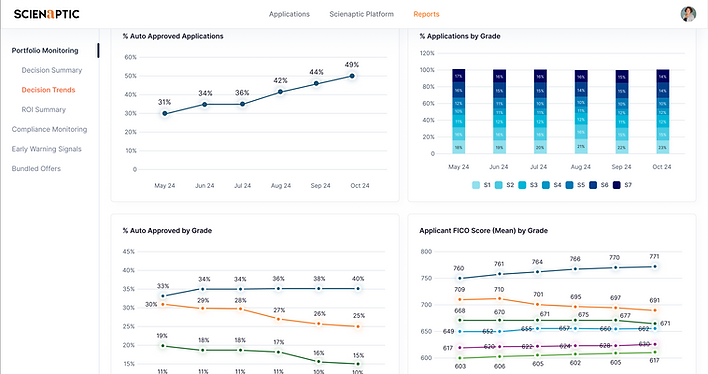
It enables lenders to make faster decisions, improve portfolio performance, reduce human reviews and retain high risk controls. The conclusion is a financing process that marries growth opportunities with appropriate risk management.
Conclusion
Alternative data is changing how credit unions evaluate borrowers. By looking beyond traditional credit scores lenders can get a better understanding of financial behaviour, open up access to more credit and make better lending decisions. As technology progresses, the pairing of alternative data and AI-powered analytics will play an increasingly important role in helping credit unions serve more members while maintaining sound lending practices.
For more information, visit https://www.scienaptic.ai/global
