
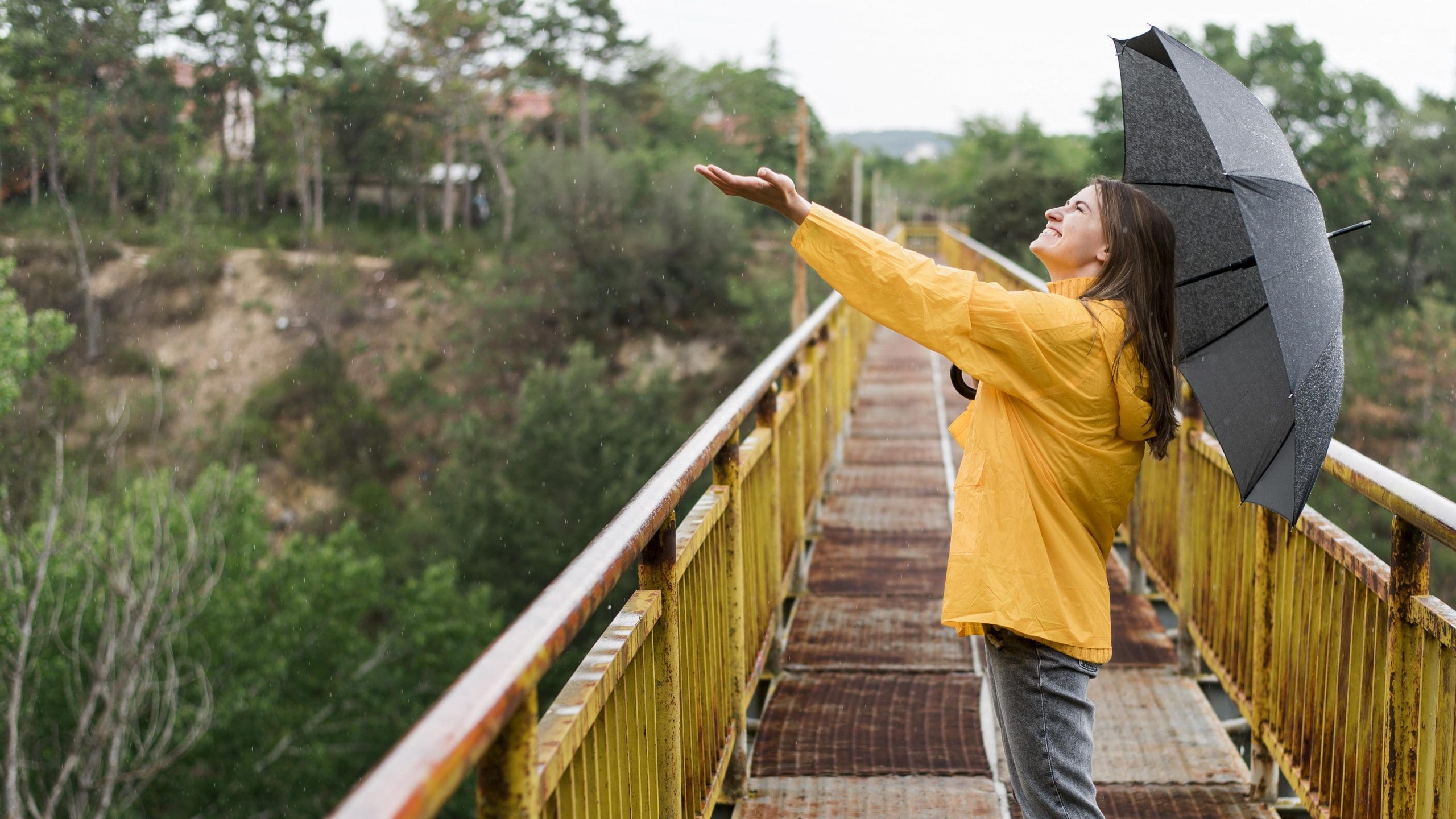
The landscapes go through transformation every summer and monsoon. Regions receive rains that sustain farming and replenish natural water bodies. The temperatures also fluctuate with the seasons. So, choosing the right season to travel to India is important.
Aligning the weather with preferred activities can help you ensure a comfortable temperature for adventure and sightseeing. It is also necessary to explore landscapes in desert conditions, such as lush forests, dry mountains, or snowy hills. So, keep reading and learn about the different activities that you can enjoy in each season, along with how to make the application for e-visa to India.
Understanding India’s Climate Zones
Here are the diverse climate zones that you will find in India.
| Region | Characteristics | Examples |
| Tropical (South India & Coasts) | High temperature all-year-round.Proximity to the Equator.Sea-influenced mild, maritime climate on the coasts. | The West CoastThe East CoastSouthern India |
| Desert (Rajasthan) | Extremely hot and arid climateThe weather is influenced by the rain shadow effect. | The Thar Desert |
| Himalayan (North India) | Cold, temperate, and alpine climate.Temperature falls with rising altitude.Shielded by cold Central Asian winds. | The Himalayan Ranges (Kashmir to Arunachal Pradesh) |
| Plains (North and East India) | Continental climate.Significant temperature range.Hot and humid summers.Cold and dry winters. | Uttar Pradesh, Bihar & Delhi |
Table 1: Climate Zones of India
Season-by-Season Weather Guide
Here is a guide for the activities and regions that can be experienced in each season. So, before you start gathering documents required for e-visa India, check this out.
Winter (November-February)
During winter, the weather remains cool and pleasant across most of India. You will find the winter months between November and February. So, the winter months are ideal for outdoor activities, including sightseeing, desert safaris, and cultural tours.
Key destinations to visit during the winter include Rajasthan, Kerala, Delhi, and Goa. For example, there are historical cities in Jodhpur and Jaipur in hot Rajasthan that can be explored comfortably during the winter months.
You can also have a cultural experience in the capital city of Delhi. Similarly, you can enjoy the beaches of Goa, the backwaters of Kerala, and snow sports in Himachal Pradesh.
Summer (March-June)
During summer, the deserts and plains remain hot. So, the season is best for mountain escapes. You will enjoy the landscapes and temperatures in Shimla, Manali, Sikkim, and Kashmir. You can also visit other hill stations like Darjeeling, Ladakh, Mussoorie, Coorg, Wayanad, Munnar, and Nainital.
You will find a number of hill stations to choose from. While the climate will get very hot in lower altitudes, mountains will offer you a chance to escape to colder weather. And you will always find scenic beauty at the hill stations.
Monsoon (July-September)
During the monsoon, you will find heavy rain in most regions in India. So, the season is perfect for those who enjoy lush landscapes. For example, you can visit the backwaters of Kerala.
The weather pattern during the monsoon is important for replenishing the water reservoirs. It also supports agriculture throughout the county. However, one downside of exploring India during the monsoon is flooding.
Key tourist spots may be closed, and transportation may be delayed due to instances of flooding. So, travelling across India during the monsoon requires careful preparation and planning.
Post-Monsoon/Autumn (October)
In India, the month of October marks the end of the rainy season. So, the ideal travel season starts after the monsoon. You will find pleasant weather along with clear skies during the post-monsoon season. It is the perfect time for cultural tourism.
The post-monsoon season is particularly favourable for exploring Central and North India. It is exactly the time for participating in vibrant cultural festivals like Navratri or Durga Puja. The month of October also marks the beginning of Diwali festivities.
Regional Travel Recommendations
Here are the four key regions of India and the best seasons to explore them. Check them out if you have made an application for e-visa to India.
- North India: Visit during the winter or spring seasons for pleasant weather.
- South India: Visit during the winter and monsoon seasons for greenery.
- East India: Visit during the winter but avoid the monsoon to enjoy outdoor activities.
- West India: Visit during the winter season to explore the desert, and during the summer to enjoy the hill stations.
Now that you know when to visit India, let’s look at the how.
Entry into India as a Tourist
You will need a tourist visa to travel to India for tourism. For convenience, apply for an electronic visa, which can be done online. Electronic visas do not involve the hassle of physically visiting the embassy to make the application.
Types and Validity
An Indian e-tourist visa is granted to the citizens of more than 160 nations, including the USA, UK, UAE, and EU countries. Here are the types of Indian e-tourist visas you can apply for.
| Type | Validity | Entries | Maximum Stay |
| Short-term | 1 month | Double | 30 days |
| Mid-term | 1 year | Multiple | 180 days |
| Long-term | 5 years | Multiple | 180 days/year |
Table 1: Indian tourist e-visa options
Application Steps and Documents
These are the steps to apply, along with the documents required for e-visa India.
- Step 1: Go to a reputable e-visa portal and create an account with your email ID. Find and fill out the visa application form. Make sure the details you enter into the form are exactly how they are in your documents.
- Step 2: Upload digital copies of your passport-sized photo and a passport’s bio page.
- Step 3: Once the form is filled out and the documents are uploaded, you must submit the application request.
- Step 4: You will be asked to pay a processing fee. Use your digital wallet, debit or credit card to make the payment.
- Step 5: You will receive the e-visa in the email you used for registering to the portal. Print a copy or two to be presented at the immigration checkpoint.
Special Considerations for Travellers
Here are some special considerations for foreigners travelling to India. Remember these to plan your trip more carefully.
- Book travel tickets and accommodations in advance if you plan to visit India during major festivals like Holi, Diwali, or Onam.
- Festivals draw massive crowds. So, stay with your group and keep a list of helpline numbers of emergency contacts.
- Carry basic medications with you, and only drink from packaged bottles to avoid the chance of illness from contaminated water.
- Dress modestly in religious and cultural events. Also, carry clothes and accessories for summer, winter as well as monsoon.
Ready to Travel to India?
India has diverse landscapes and weather patterns. The region-specific climate conditions and seasonal influence on weather mean you must plan your trip carefully. So, prepare your travel itinerary by matching the seasons with regions and your desired activity.
Avoid deserts during the summer months, and hill stations during the winter. Avoid plains and Ghats during the monsoon. But the choice ultimately depends on your tolerance to weather extremes. So, if you have already mentally prioritised seasons and regions, then make the application for an e-visa to India today!