
Bringing home your first bird can be exciting—but also a bit confusing. With so many colorful, chirping choices, how do you know which one is right for you? The best starter birds are gentle, easy to care for, and quick to bond with their new owners.
Whether you want a playful parrot or a quiet little companion, this guide from Focus Pet Care will help you choose the perfect bird for beginners.
What Makes a Bird a Good Starter Pet?
Not every bird is beginner-friendly. Some species need constant attention, special diets, or large spaces. When choosing your first pet bird, look for these qualities:
1. Gentle Temperament
A calm and friendly nature makes handling easier for new owners. Birds that enjoy interaction and rarely bite are perfect for first-timers.
2. Easy to Tame
Birds that adjust quickly to human contact are great for bonding and training.
3. Low Maintenance
Smaller birds often require less space, simpler diets, and easier cage cleaning.
4. Moderate Noise Level
While all birds make sounds, some are much quieter than others—an important point if you live in an apartment.
The 7 Best Starter Birds for Beginners
1. Budgerigar (Budgie or Parakeet)
Budgies are one of the most popular beginner birds worldwide. They’re small, colorful, and love to interact. Budgies can even learn to mimic words with patience and training.
Why they’re great for beginners:
- Gentle and easy to handle
- Adapt well to small cages
- Simple diet of seeds, fruits, and veggies
Lifespan: 7–10 years
Noise level: Low to moderate
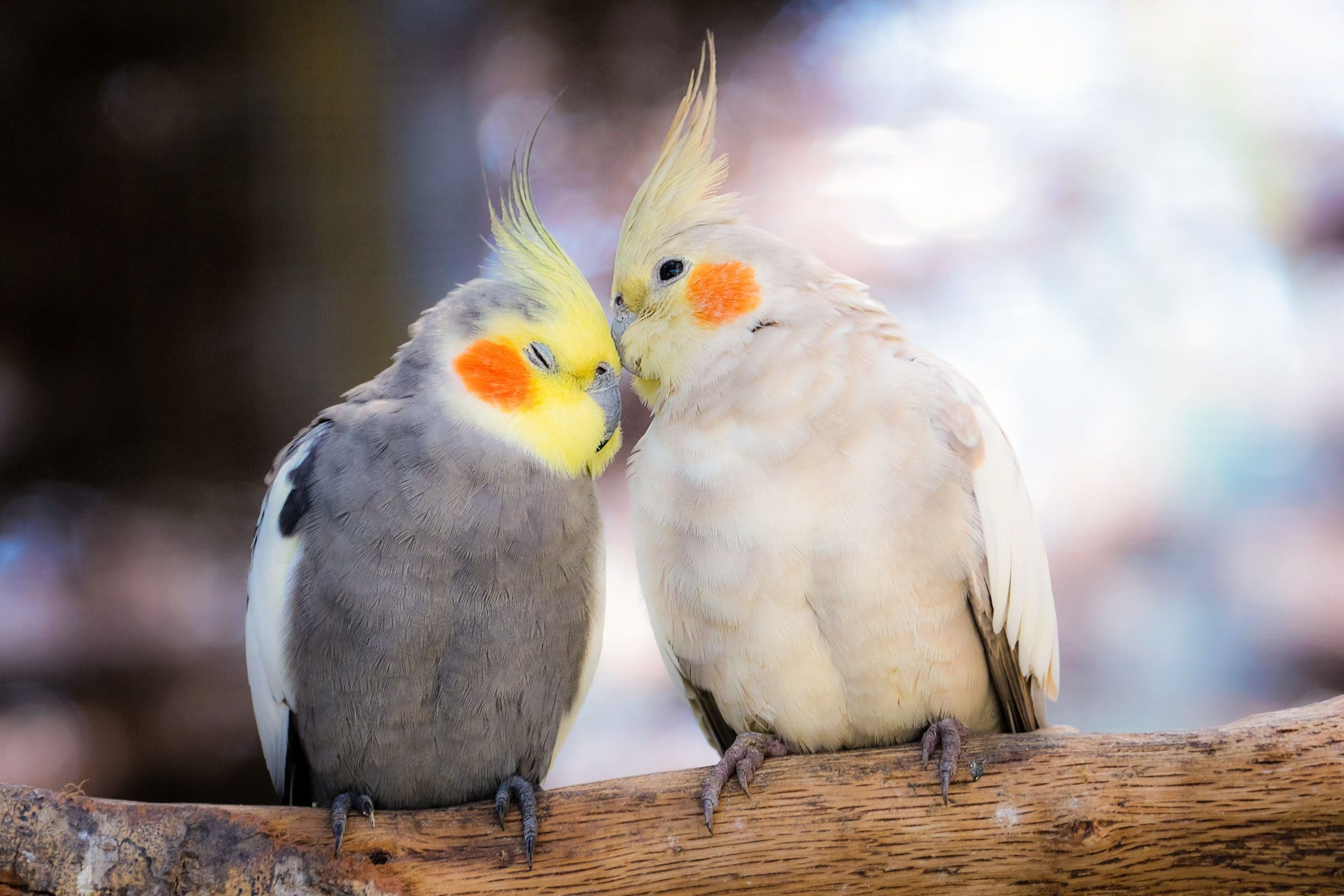
2. Cockatiel
Cockatiels are affectionate and expressive birds with charming crests and whistles. They love spending time on your shoulder or exploring their surroundings.
Why they’re great for beginners:
- Friendly and calm personality
- Easily tamed with daily attention
- Enjoys learning simple tricks
Lifespan: 15–20 years
Noise level: Moderate
3. Lovebird
Don’t let the name fool you—lovebirds can be wonderful pets even if you keep just one. They’re small, energetic, and loyal once they trust you.
Why they’re great for beginners:
- Compact size and simple diet
- Bond deeply with their owner
- Playful and entertaining
Lifespan: 10–15 years
Noise level: Moderate
4. Finch
Finches are peaceful, social birds that love living in pairs or small groups. They’re ideal if you want to enjoy birds without handling them much.
Why they’re great for beginners:
- Minimal handling required
- Enjoy observing and chirping
- Thrive in roomy cages with toys and perches
Lifespan: 5–10 years
Noise level: Low
5. Canary
Known for their beautiful songs, canaries are gentle birds that bring melody into your home. Males sing more often, especially during spring.
Why they’re great for beginners:
- Low-maintenance and independent
- Minimal handling needed
- Clean and quiet
Lifespan: 10–15 years
Noise level: Low to moderate (pleasant singing)
6. Parrotlet
Tiny but full of personality, parrotlets are curious and intelligent. They form close bonds with their owners and love mental stimulation.
Why they’re great for beginners:
- Small and easy to care for
- Learn tricks quickly
- Very playful
Lifespan: 15–20 years
Noise level: Moderate
7. Green-Cheek Conure
If you want a slightly larger bird that loves affection, the green-cheek conure is a great choice. They’re cuddly, funny, and less noisy than many parrots.
Why they’re great for beginners:
- Sweet and social nature
- Can learn words and tricks
- Moderate maintenance
Lifespan: 20–30 years
Noise level: Moderate
How to Care for Your First Pet Bird
Create a Safe Home
Choose a cage that’s spacious enough for flying and playing. Add perches, toys, and swings to keep your bird active. Always place the cage in a quiet, well-lit spot away from drafts and direct sunlight.
Feed a Balanced Diet
A mix of pellets, seeds, fruits, and vegetables keeps your bird healthy and full of energy. Avoid chocolate, caffeine, avocado, and salty snacks—they’re toxic to birds.
Socialize and Bond Daily
Spend time talking, hand-feeding, and playing with your bird. The more attention you give, the faster your pet will trust you.
Learn more about how to bond with a new bird.
Regular Health Checks
Watch for signs like feather loss, sneezing, or changes in appetite. Visit an avian vet once a year for a full check-up to keep your bird healthy.
Choosing the Right Bird for You
When picking from the best starter birds, think about your lifestyle:
- Limited time? Go for a canary or finch.
- Love hands-on pets? Try a budgie or cockatiel.
- Want personality in a small package? A parrotlet is perfect.
Each bird has a unique charm, but all share one thing: they bring joy, color, and companionship to your home.
Final Thoughts
The best starter birds combine easy care, gentle behavior, and friendly personalities. Start with a species that matches your time, space, and attention level. With patience and love, even a small feathered friend can fill your home with happiness.
Your journey as a bird owner begins with the right choice—so take your time, learn their needs, and enjoy every cheerful chirp along the way.