
Berlin, Germany — June 17, 2026
In a shocking and deeply emotional incident that is already drawing intense global comparisons to the 2016 Harambe tragedy, keepers at Berlin Zoo were forced to fatally shoot Fatou — the world’s oldest gorilla in human care — after a four-year-old boy fell into her enclosure on Tuesday afternoon.
Just as in the Harambe case in Cincinnati, where a three-year-old child entered a gorilla exhibit and zoo officials made the heartbreaking split-second decision to use lethal force, Berlin Zoo staff reportedly followed similar safety protocols when Fatou quickly approached the fallen child.
The incident is rapidly gaining attention on social media, sparking a familiar mix of outrage, sorrow, memes, and heated debate reminiscent of the global reaction to Harambe’s death in 2016.
The Incident
According to initial reports, the young boy climbed over a safety barrier and entered Fatou’s specially designed senior enclosure.
Zoo staff responded immediately, using lethal force as the elderly gorilla moved toward the child. The boy was rescued within minutes and sustained only minor injuries. He was transported to a nearby hospital for observation and is expected to make a full recovery.
Official Statement from Berlin Zoo
In a statement posted on the zoo’s verified X account (@ZooBerlin), officials said:
“We are devastated to confirm that our beloved Fatou was humanely euthanized this afternoon after a young child entered her enclosure. Following the strict safety protocols established after the 2016 Harambe incident in Cincinnati, our team had no choice but to act immediately when Fatou approached the boy.
The child is safe. Fatou was family to us. She arrived in West Berlin as a juvenile, gave birth to Dufte in 1974 — the first gorilla born and raised at our zoo — and became a living symbol of hope for the critically endangered western lowland gorilla.
Her calm, dignified presence touched millions. Today’s decision was the hardest any of us will ever have to make.”
Who Was Fatou?
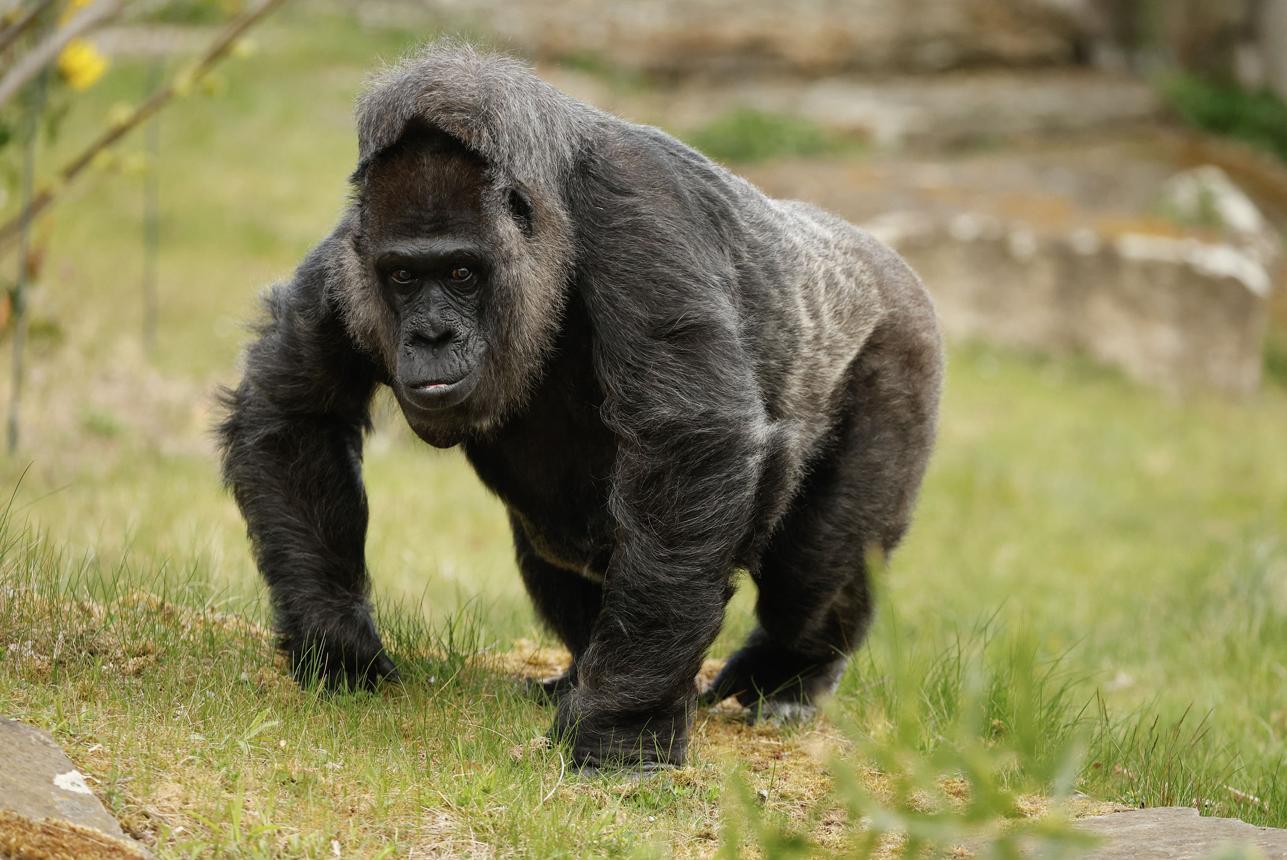
Fatou, a western lowland gorilla, was born in the wild in West Africa around 1957. She arrived at Berlin Zoo in 1959 at approximately two years of age after reportedly being brought from Africa to France by a sailor.
She spent nearly 67 years at the zoo, making her one of its longest-serving residents. At 69 years old, Fatou held the Guinness World Records title as the oldest living gorilla in captivity.
Over her lifetime, she gave birth to several offspring, including Dufte in 1974, and later became a grandmother.
During her final years, Fatou lived in a purpose-built senior enclosure where she received specialized geriatric care. Although she had lost most of her teeth and experienced mild arthritis and hearing loss, keepers described her as active, gentle, and beloved by visitors for her calm and dignified nature.
About Berlin Zoo
Zoologischer Garten Berlin, established in 1844, is Germany’s oldest zoo and one of the most renowned zoological institutions in the world.
Located on 35 hectares in Berlin’s Tiergarten district, the zoo houses more than 20,000 animals representing over 1,380 species, making it one of the most species-rich zoos globally.
The zoo is internationally recognized for:
- Historic architecture
- Giant panda breeding programs
- Wildlife conservation efforts
- Research initiatives
- Rare and endangered species protection
Fatou became the zoo’s oldest resident following the 2024 death of Ingo, a flamingo believed to have been more than 75 years old.
Why the Story Is Going Viral
Observers have noted several striking similarities between this incident and the Harambe case:
- A young child entered a great ape enclosure.
- A beloved and endangered gorilla was euthanized to protect human life.
- Emotional eyewitness accounts and alleged video footage spread rapidly online.
- Public debate quickly emerged regarding zoo safety and animal welfare.
In 2016, Harambe’s death generated worldwide controversy, millions of social media interactions, petitions, tributes, and countless internet memes. Many commentators believe the Fatou incident is following a similar trajectory.
Investigation Underway
Berlin Zoo has announced a full internal investigation into the circumstances surrounding the incident.
Officials have also stated that:
- All primate enclosure safety measures are being reviewed.
- Temporary additional fencing has been installed.
- A formal mourning period has been declared.
- Plans are underway to establish a permanent memorial for Fatou.
- Conservation efforts for western lowland gorillas will be expanded in her honor.
Conclusion
The heartbreaking event has once again reignited debate over the difficult decisions zoos must make when balancing visitor safety with the protection of endangered animals.
As investigations continue and additional details emerge, the world watches another deeply emotional story unfold—one that many are already comparing to one of the most controversial zoo incidents of the modern era.
Updates will follow as the story develops.
Official Statement from Berlin Zoo
In a statement posted on the zoo’s verified X account (@ZooBerlin), officials said:
“We are devastated to confirm that our beloved Fatou was humanely euthanized this afternoon after a young child entered her enclosure. Following the strict safety protocols established after the 2016 Harambe incident in Cincinnati, our team had no choice but to act immediately when Fatou approached the boy.
The child is safe. Fatou was family to us. She arrived in West Berlin as a juvenile, gave birth to Dufte in 1974 — the first gorilla born and raised at our zoo — and became a living symbol of hope for the critically endangered western lowland gorilla.
Her calm, dignified presence touched millions. Today’s decision was the hardest any of us will ever have to make.”
Who Was Fatou?
Fatou, a western lowland gorilla, was born in the wild in West Africa around 1957. She arrived at Berlin Zoo in 1959 at approximately two years of age after reportedly being brought from Africa to France by a sailor.
She spent nearly 67 years at the zoo, making her one of its longest-serving residents. At 69 years old, Fatou held the Guinness World Records title as the oldest living gorilla in captivity.
Over her lifetime, she gave birth to several offspring, including Dufte in 1974, and later became a grandmother.
During her final years, Fatou lived in a purpose-built senior enclosure where she received specialized geriatric care. Although she had lost most of her teeth and experienced mild arthritis and hearing loss, keepers described her as active, gentle, and beloved by visitors for her calm and dignified nature.
About Berlin Zoo
Zoologischer Garten Berlin, established in 1844, is Germany’s oldest zoo and one of the most renowned zoological institutions in the world.
Located on 35 hectares in Berlin’s Tiergarten district, the zoo houses more than 20,000 animals representing over 1,380 species, making it one of the most species-rich zoos globally.
The zoo is internationally recognized for:
- Historic architecture
- Giant panda breeding programs
- Wildlife conservation efforts
- Research initiatives
- Rare and endangered species protection
Fatou became the zoo’s oldest resident following the 2024 death of Ingo, a flamingo believed to have been more than 75 years old.
Why the Story Is Going Viral
Observers have noted several striking similarities between this incident and the Harambe case:
- A young child entered a great ape enclosure.
- A beloved and endangered gorilla was euthanized to protect human life.
- Emotional eyewitness accounts and alleged video footage spread rapidly online.
- Public debate quickly emerged regarding zoo safety and animal welfare.
In 2016, Harambe’s death generated worldwide controversy, millions of social media interactions, petitions, tributes, and countless internet memes. Many commentators believe the Fatou incident is following a similar trajectory.
Investigation Underway
Berlin Zoo has announced a full internal investigation into the circumstances surrounding the incident.
Officials have also stated that:
- All primate enclosure safety measures are being reviewed.
- Temporary additional fencing has been installed.
- A formal mourning period has been declared.
- Plans are underway to establish a permanent memorial for Fatou.
- Conservation efforts for western lowland gorillas will be expanded in her honor.
Conclusion
The heartbreaking event has once again reignited debate over the difficult decisions zoos must make when balancing visitor safety with the protection of endangered animals.
As investigations continue and additional details emerge, the world watches another deeply emotional story unfold—one that many are already comparing to one of the most controversial zoo incidents of the modern era.
Updates will follow as the story develops.