
Bed bugs are small parasites that feed on human blood and often hide in mattresses, bedding, and furniture during the day. Many people contact a bed bug exterminator after noticing itchy bite marks, blood stains on bedding, or signs of infestation inside their homes. Although bed bugs do not spread diseases, they can quickly multiply and become difficult to control if not treated properly.
What Are Bed Bugs?
Bed bugs are flat, oval-shaped insects that are usually brownish in color and around five millimeters long. They prefer dark environments and commonly hide in:
- Mattresses
- Bedding
- Furniture cracks
- Wall crevices
- Upholstered furniture
At night, bed bugs come out to feed on human blood while people are sleeping.
Common Signs of Bed Bug Bites
Bed bug bites can sometimes be difficult to recognize because they resemble flea bites or other insect bites. In many cases, the bite is not noticed immediately because bed bugs numb the skin while feeding.
Common signs include:
- Itchy red bite marks
- Welts on arms, legs, or face
- Multiple bites close together
- Delayed itching after several days
- Restless sleep
- Blood stains on bed sheets
The itching and irritation usually disappear after about a week.
Where Do Bed Bugs Come From?
Bed bugs commonly spread through:
- Clothing
- Luggage
- Mattresses
- Bedding
- Used furniture
The risk of infestation increases in places where many people stay close together, such as hostels or shared accommodations.
How to Detect a Bed Bug Infestation
Because bed bugs hide during the day, they are often difficult to find. However, several warning signs may indicate an infestation.
Signs of bed bugs may include:
- Small dark spots on mattresses or bedding
- Blood stains on sheets
- Sweet or musty odor in severe infestations
- Bite marks appearing overnight
A confirmed infestation usually requires physically finding the bed bugs themselves.
Preventing Bed Bugs in Your Home
People staying away from home should regularly inspect their sleeping area for signs of bed bugs. It is also important to inspect second-hand furniture, mattresses, and clothing before bringing them indoors.
Preventive measures include:
- Checking mattresses and bedding while traveling
- Inspecting used furniture carefully
- Washing clothing after travel
- Monitoring for dark spots or stains on bedding
Currently, there are no known repellents that reliably keep bed bugs away through smell alone.
Bed Bug Treatment Methods
Anyone who discovers bed bugs should act quickly to stop the infestation from spreading further.
Bed bugs are sensitive to heat and freezing temperatures. They die when exposed to temperatures above 50°C or when frozen at minus 5°C for several days.
Immediate Steps Against Bed Bugs
Important treatment measures include:
- Disposing of heavily infested mattresses or furniture
- Washing bedding and clothing at 60°C
- Using high-temperature tumble drying
- Freezing delicate items in sealed bags
- Vacuuming furniture and floors carefully
Vacuum cleaner bags should be sealed and disposed of immediately after cleaning.
Professional Bed Bug Treatments
Professional treatment through bed bugs East London is often necessary because bed bugs can become resistant to insecticides. Specialists may use a combination of methods to fully eliminate the infestation.
Heat Treatment
In heat treatment, affected rooms are sealed and heated above 50°C for at least 48 hours to kill bed bugs and eggs.
Insecticide Treatment
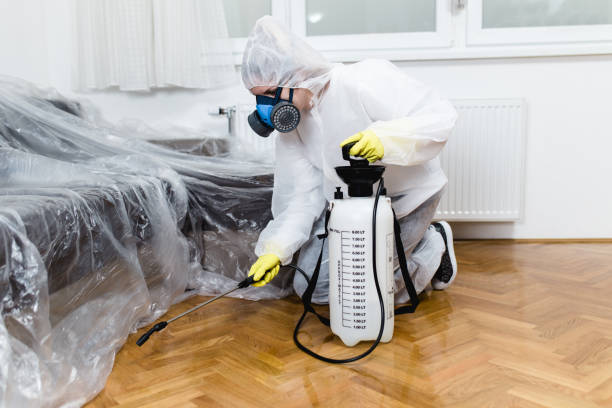
Apartments and furniture can also be treated with insecticides. These treatments should only be carried out by professionals to reduce health risks and improve effectiveness.
Treatments may need to be repeated after several days to ensure that all bed bugs are eliminated.
Treating Bed Bug Bites
Most bed bug bites heal without medical treatment. However, repeated bites may cause stronger itching or irritation.
Relief methods may include:
- Cortisone creams
- Anti-itch creams
- Prescription medications
These products can help reduce itching and support skin healing.
Conclusion
Bed bugs can spread quickly through luggage, clothing, furniture, and bedding, making early detection and proper treatment extremely important. Recognizing the signs of infestation, taking immediate preventive measures, and using professional treatment methods can help stop the infestation before it becomes severe.
For larger infestations and long-term control, many property owners rely on professional bed bug chemical treatment to fully eliminate bed bugs and prevent them from returning.