
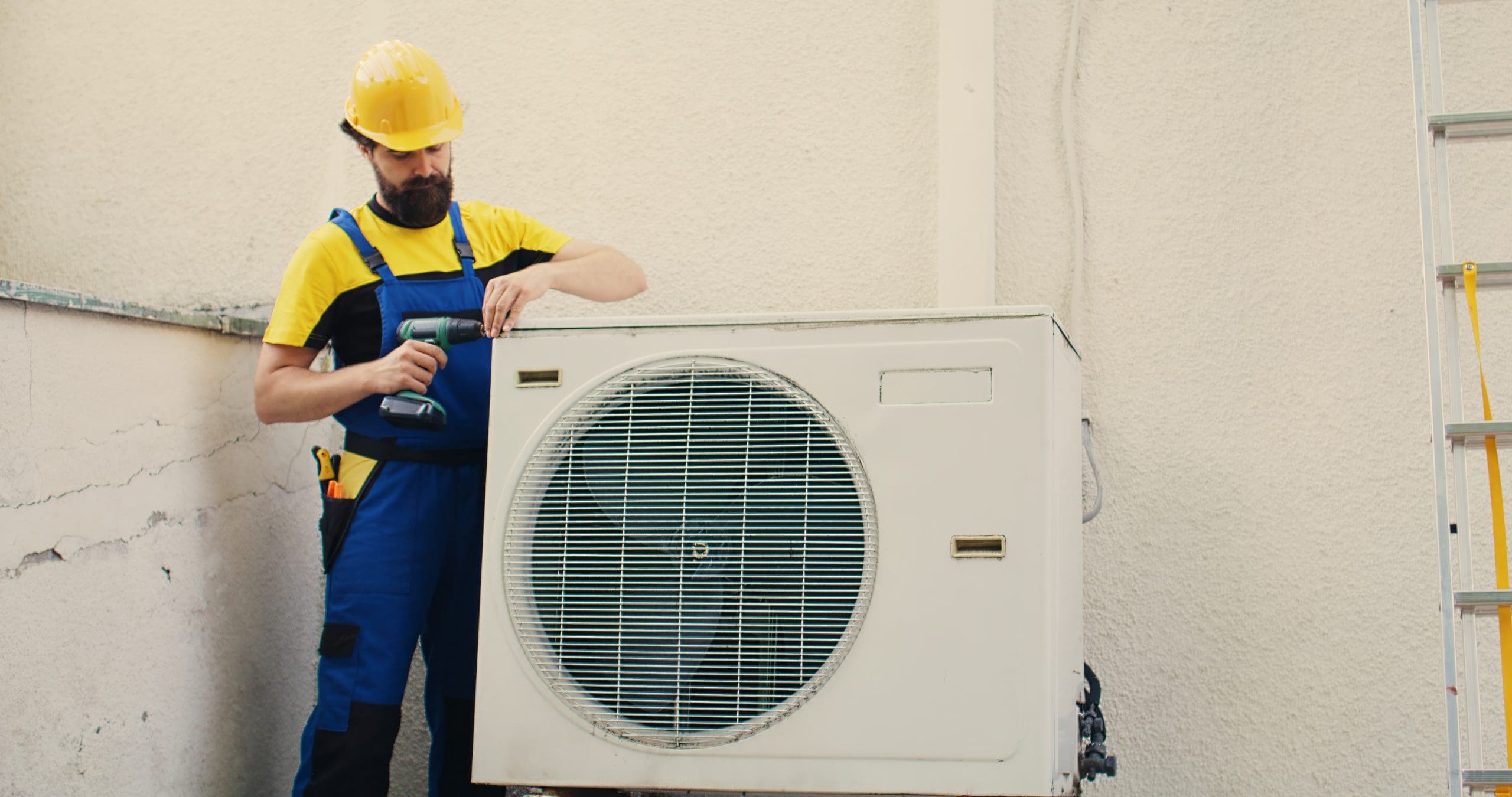
Charlotte summers run hot and a bit sticky, so your system works long hours. A solid AC maintenance checklist helps you stay ahead of breakdowns and surprise bills. In my experience, small habits done on time beat big fixes later. We will walk through what to do, when to do it, and what to watch for as the weather swings.
Many households juggle school, work, and home care at once, so keeping it simple matters. I will point out the parts you can handle and the parts best left to a tech. Businesses such as HVAC Charlotte Pro often approach this strategically, spreading tasks over the year to keep costs steady and comfort stable. Use this guide like a living plan you tune each season.
Why This Topic Matters
In practice, air conditioners rarely fail without leaving hints first. Filters clog, coils get dusty, drains back up, and small electrical parts wear down. A clear plan lowers risk, keeps energy use in check, and helps you notice changes early while fixes are still simple.
For many homes, the hard part is consistency. You do a few tasks in spring, then summer hits hard and the list gets lost. A written plan with dates and quick checks makes the work doable. The payoff is steady cooling and fewer hot-day surprises.
How Often Should AC Be Serviced in Charlotte
Most homes do well with a pro tune-up once a year, usually in spring. That timing catches wear from the last season and sets you up for the long heat. If your system is older, serves a larger family, or runs nearly non-stop, consider a fall check too.
Home tasks still matter between visits. Change filters on a set schedule, keep airflow open, and watch for noise or leaks. If you rent or manage apartments or condos, mark tasks on a shared calendar so turnover and access do not delay service. A clear routine supports preventative AC maintenance in Charlotte without drama.
Step-by-Step Framework: The Core Checklist
Use this simple flow. It keeps the work short and steady. Tackle what you can, then note anything for a pro.
- Filter first: Check monthly in summer, every 2 to 3 months otherwise. Choose a filter with a sensible MERV rating that balances capture and airflow. Tight homes with pets or smoke need more frequent changes.
- Thermostat check: Confirm schedules, set back a few degrees when away, and verify thermostat calibration if rooms feel off. A small mismatch can run the unit longer than needed.
- Airflow path: Open supply vents, clear rugs and furniture, and clean the return grille. Good airflow cuts runtime and strain.
- Indoor unit: Inspect the evaporator coil area if accessible. Dust around the cabinet, listen for odd fan sounds, and look for frost or water where it should not be.
- Drain care: Flush the condensate drain with a small cup of diluted vinegar a few times each season. Check for a wet pan or musty smell that points to a clog.
- Outdoor unit: Gently rinse the condenser coil from the outside in with a garden hose. Keep shrubs 2 to 3 feet back for breathing room, and straighten any bent fins with a fin comb if you have one.
- Lines and seals: Look at the insulated line set for cracked foam, and make sure the electrical disconnect cover is secure. Note any oily residue near fittings.
- Quick performance test: Measure Delta-T, the temperature drop from return to supply, after 10 minutes of steady run. Typical ranges vary, but a big change from your normal pattern is a flag.
- Listen and note: Buzzing, rattles, or fan cycling fast point to loose panels or a weak fan capacitor. Write down the date, sound, and conditions.
You can compare your notes with this AC maintenance checklist to make sure the basics are covered before peak heat arrives.
Seasonal AC Maintenance in Charlotte
Spring: Do the full homeowner routine above, and schedule your pro visit if you have not already. Clear leaves from the outdoor base and trim growth. Confirm attic or closet access is easy for the tech.
Summer: Focus on filters, drain care, and outdoor coil cleanliness. After storms, check that yard debris did not block the unit. In long heat waves, shorten filter change intervals a bit.
Fall: Rinse coils again, clean the return grille, and record end-of-season Delta-T. This sets a baseline for next spring. Winter: Keep snow and leaves off the outdoor fan guard, and do a quick visual once a month.
Signs Your AC Needs Maintenance
Warm air at the vents, longer cool-down times, or rooms that never quite catch up are common flags. New rattles, squeals, or humming point to wear or a loose mount. A musty smell often means a wet drain pan or growth in damp areas.
Short cycling, icing on lines, or water near the indoor unit deserve fast attention. In real projects, a slow drip often becomes a ceiling stain when left for a week or two. Catching these early avoids bigger fixes and downtime.
Spikes on your power bill also matter. A subtle jump can come from dirty coils or low refrigerant charge. The system still cools, but it works harder to do the same job.
DIY vs Pro: Who Does What
Homeowners can handle filters, simple rinsing, access clearing, and basic checks. Pros bring gauges, electrical testing, deep coil cleaning, and duct testing. The goal is a smooth handoff, not a guess-and-hope plan.
Task Split and Timing
| Task | DIY Schedule | Homeowner Action | Pro Needed |
|---|---|---|---|
| Filter change | Monthly in summer, 2-3 months other seasons | Replace with suitable filter | No |
| Outdoor coil rinse | Spring and mid-summer | Gentle hose rinse, clear plants | No |
| Condensate drain care | Every 1-2 months in cooling season | Vinegar flush, check for flow | Yes, if slow or leaking |
| Electrical checks | Yearly | Listen for hums only | Yes |
| Refrigerant diagnostics | Yearly or if cooling drops | Observe symptoms | Yes |
| Duct inspection | Every 2-3 years | Look for loose joints | Yes, for testing and sealing |
Pros also measure static pressure to check airflow health, clean coils without bending fins, and test controls under load. That keeps components in balance so the system runs quietly and with less strain.
Homes, Apartments, Condos, and Townhomes: Practical Differences
Residential homes often have easier outdoor access but longer duct runs. That can hide duct leakage in attics, so you may notice dusty rooms or uneven temps more often. Apartments and condos can have tighter spaces and shared walls that trap heat.
Townhomes commonly place units on patios or rooftops. Clearance matters there, especially for airflow and service access. In shared buildings, plan around quiet hours and building rules before scheduling coil cleaning or drain work.
One pattern often seen: filter changes slip when the filter slot is hard to reach. A simple fix is setting reminders and keeping spare filters close to the return.
Document and Track Performance
Write down filter dates, Delta-T readings, noises heard, and any water found. Keep a small log by the return grille or in your phone. Over time, you will spot trends that point to a weak part or a clog forming.
For deeper reading on planning and timing across the year, see this Complete Guide to AC Maintenance in Charlotte NC for Reliable Home Comfort. It pairs well with your notes and helps decide when to bring in a tech.
Safety, Warranties, and When to Pause
Turn off power at the disconnect before cleaning coils or opening panels. Never spray water into electrical boxes. If you smell burning, see sparking, or hear loud pops, stop and call a pro.
Many makers want yearly service to keep coverage in place. Keep invoices and your log in one folder. If a task needs dismantling panels or handling refrigerant, pause. Those steps need tools and training.
Quick Concept Guide
Delta-T: The temperature drop between return and supply air. Big swings from your normal can flag airflow or charge issues.
Refrigerant charge: The amount of refrigerant in the system. Low charge hurts cooling and can freeze coils.
Static pressure: Air pressure in ducts. High pressure hints at blockages, closed vents, or undersized ducts.
Condensate drain: The line that carries water away from indoor cooling. Clogs cause leaks and smells.
Evaporator coil: Indoor coil that absorbs heat. Dirty fins slash efficiency.
Condenser coil: Outdoor coil that releases heat. Blocked fins make the unit run hot and loud.
Practical Steps You Can Do Today
Pick a filter change date each month in summer and set a phone reminder. Write today’s Delta-T and note any noises. Gently rinse the outdoor coil and clear plants around it.
Next, flush the drain with diluted vinegar and confirm the thermostat schedule fits your routine. If rooms feel uneven, open vents fully and move rugs or furniture blocking airflow paths. If symptoms remain, put a pro check on your calendar.
- Set monthly filter reminders.
- Record Delta-T after a 10 minute run.
- Rinse outdoor coil and clear 2-3 feet around it.
- Flush the drain and verify flow.
- Update the thermostat schedule and check batteries.
- Note any leaks, frost, or odd sounds and stop if unsafe.
FAQ
- How often should AC be serviced in Charlotte
Most homes do well with one pro tune-up in spring. Older systems, heavy use, or uneven cooling may justify a fall check too. Keep up with filters and drain care between visits. - What are the top signs your AC needs maintenance
Warm air at the vents, longer run times, icing on lines, water around the indoor unit, new rattles or hums, and higher power bills. These small clues often appear weeks before a failure. - Can I clean coils myself
You can gently rinse the outdoor coil with a hose. Deep cleaning, chemical washes, or indoor coil cleaning should be done by a pro to avoid bent fins or water in the cabinet. - Which filter should I buy
Pick a filter with a sensible MERV rating for your home. Higher capture is not always better if it chokes airflow. If in doubt, choose a mid-grade filter and change it more often. - Does duct cleaning help
It depends on dust levels and leaks. Fix leaks and balance airflow first. If dust still builds fast or you see visible debris, talk with a pro about targeted cleaning. - Is preventative AC maintenance in Charlotte really worth it
In practice, yes. Regular checks catch drain clogs, weak capacitors, and dirty coils before peak heat. That keeps comfort steady and can prevent larger repairs.
Conclusion
A simple, steady plan beats last-minute scrambles. Use this AC maintenance checklist to guide small monthly tasks, then pair it with a yearly tune-up to keep your system ready for long Charlotte summers. Watch for early signs, record what you see, and pass clear notes to your tech when needed.
Keep airflow open, drains clear, and coils clean. When something seems off, pause and check your log first. That habit, plus a calm seasonal rhythm, keeps your home comfortable and the system running strong all year.
