
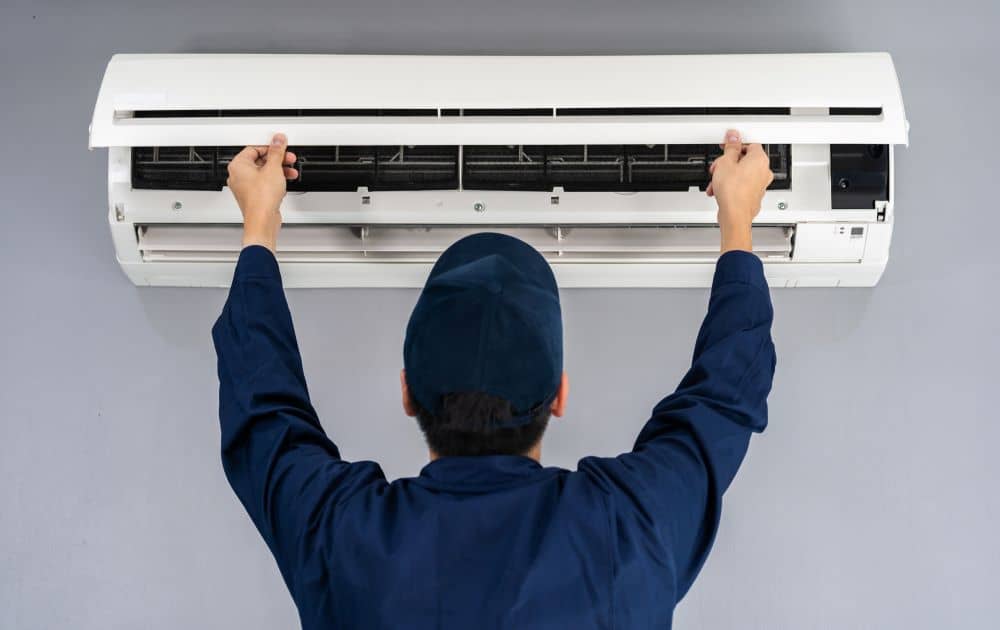
Philadelphia summers feel heavy. Heat builds, air sits, and moisture lingers in rowhomes and twins. In weather like this, air conditioners do more than cool. They also pull water from the air. That is why humid climate AC maintenance gets a special plan. The goal is steady comfort, dry air, and fewer mid-season surprises.
Many homes run the AC hard from late spring to early fall. In practice, small setup choices add up. A filter with the wrong specs, a slow drain line, or a fan set to on can push humidity back into rooms. This guide walks through how to tune, check, and run central air so it handles moisture as well as heat in a real Philadelphia summer.
Why This Topic Matters
Humidity is not just a sticky feeling. It changes how your AC works. The system must remove heat and water at the same time. That extra work shows up in the coil, the drain, and the duct seams. Miss one of these, and you get clammy rooms, musty smells, or short run times that never feel right.
In real projects, a common challenge is chasing low temperature without controlling moisture. People lower the thermostat and still feel damp. The fix is rarely a single part. It is a set of small moves that improve moisture control day to day, not just on perfect test days.
How Humidity Changes AC Workload
Air conditioners do two jobs. They lower air temperature and pull moisture out. Pros call the second job latent load removal. In a humid week, latent work grows. The system needs more runtime, colder coil surfaces, and clean airflow to keep rooms dry.
Comfort also ties to the dew point. When indoor air hits this point on surfaces, water forms and sticks. That is when vents sweat and dust cakes on grills. Keeping dew point in check depends on coil temperature, airflow, and no warm air leaks into returns.
Moisture Pathways in Philly Homes
Older rowhomes and twins often have brick walls, plaster, and patchwork ducts. Warm moist air sneaks in through basements, rooflines, and utility chases. That air then finds the cold supply ducts and forms condensation. Over time, it feeds mold and rust in quiet corners.
One pattern often seen: returns in basements draw in damp air. The system cools upstairs, but basement moisture keeps creeping in. Sealing returns and reducing infiltration around the air handler helps the AC win the moisture fight before it even starts.
Coils, Filters, and Airflow in Humid Conditions
The evaporator coil must stay clean to run cold enough for dehumidification. Dust acts like a blanket. It warms the surface and slows water removal. Regular coil checks and filter swaps keep the coil at a steady coil temperature so water condenses and drains instead of blowing back.
Filter choice matters too. Look at the MERV rating, but match it to the blower. A very tight filter can raise static pressure and cut airflow. Low airflow can frost the coil. Too much airflow can rush air past the coil and reduce moisture removal. Balance is key here.
Thermostat and Fan Settings That Actually Help
Run the fan in Auto during humid spells. When set to On, the fan keeps spinning after the compressor stops. That can lift water off the coil and push it back into rooms. Auto lets moisture drain off between cycles and helps the coil stay cold on the next start.
Set a modest cooling target and hold it. Big swings cause short cycles and poor moisture control. Avoid short cycling by keeping vents open and supply paths clear. If your stats show humidity, aim for a steady humidity setpoint around a comfortable range, and avoid chasing numbers hour by hour.
Drainage, Pans, and Mold Prevention
Humid days make a lot of condensate. That water needs a clear path. Clean the line, check the safety switch, and confirm the trap holds water. A working condensate trap stops air from pulling back through the drain and helps water flow out the right way.
Look for standing water in the pan. A slow drip adds up and finds drywall, framing, or insulation. In practice, a tiny slope fix or a new trap fitting prevents a mid-summer ceiling stain. Keep the area around the air handler dry and bright so small leaks get noticed fast.
Comparing Maintenance Focus: Dry vs Humid Conditions
Key maintenance focus areas change with climate moisture
| Item | Dry Climate Focus | Humid Climate Focus |
|---|---|---|
| Airflow | Maximize cooling capacity | Balance airflow to improve water removal |
| Filter | Dust control | MERV matched to blower to avoid high static |
| Coil | Seasonal check | Clean coil face and confirm cold surface |
| Thermostat | Temp holds | Temp holds plus humidity control if available |
| Drainage | Basic trap check | Clear line, test switch, verify slope |
Planning and Timing Before the First Heat Wave
Do checks before the first 90 degree week. Inspect the coil, replace the filter, and test the drain switch. Calibrate the thermostat and confirm fan Auto mode. These small tasks prevent emergency visits on the hottest day, which many households have learned the hard way.
Businesses such as HVAC Philadelphia Pro often approach this strategically. They map common weak points, like dirty returns or unsealed chases, and fix them during shoulder season. That way, the first hot, wet air mass does not expose a simple issue at the worst time.
Deeper Tuning: Refrigerant, Sensors, and System Behavior
In humid stretches, correct charge supports both cooling and drying. Techs often confirm superheat and subcooling so the coil runs at the right state. That state allows more moisture to condense while keeping the compressor in a safe range.
Smart stats can help when used right. They sample runtime, indoor temp, and sometimes humidity. When these sensors align with fan Auto and balanced airflow, rooms feel cooler at the same setpoint. If you want a deeper primer, see the Complete Guide to AC Maintenance in Philadelphia PA for Reliable Home Comfort for a broader seasonal view.
Filters, Ducts, and Sealing Older Envelopes
Use a quality filter that does not choke the blower. Replace on schedule and keep a spare. Check returns for gaps, especially near basements. Tape and mastic help close leaks that pull damp air into the system right before the coil.
Look at supply ducts that run through warm spaces. Insulate where needed and secure joints. This reduces sweat on metal when the dew point spikes, and it keeps more cooling in the rooms where you want it.
Step-by-Step Framework: A Humid-Day AC Tune Routine
- Set thermostat to Auto fan and stable temp. Verify display and time are correct.
- Install a fresh filter matched to blower needs. Note the MERV rating and date it.
- Inspect the indoor coil face. Clean gently if dust is visible. Aim for a cold, even surface.
- Flush the drain line and confirm the condensate trap is primed. Test the safety switch.
- Walk the ducts. Seal obvious leaks at returns. Insulate sweating supply runs.
- Measure supply and return temps if you can. A steady drop with dry air signals good sensible cooling plus some moisture removal.
- Check outdoor unit. Clear leaves, straighten fins, and confirm quiet operation to support stable airflow.
- After an hour of runtime, confirm no standing water in the pan and good comfort across rooms.
Seasonal Checklist for Philadelphia Summers
Early spring: replace filters, test drains, and verify Auto fan. Late spring: confirm airflow balance, clean outdoor coils, and check returns for leaks. Peak summer: watch humidity reading, listen for new noises, and scan for sweating ducts or grills.
If you need a guided plan that fits local homes, review options for humid climate AC maintenance to align tune-ups with the stickiest weeks of the season. Keep notes each month so small changes get caught early rather than in a heat wave.
Operating Tips That Make a Real Difference
Keep interior doors open enough for air to move. Blocked returns starve the blower. Avoid closing many supplies to force air elsewhere. That raises pressure and can cut moisture removal on the coil.
On the worst humid days, avoid long baking or showers back to back. Ventilate right after with bath and range fans. These short habits reduce indoor load and help your system hold the line without running non-stop.
When To Reassess Equipment Sizing and Controls
If rooms feel cold and damp, or if the system cycles fast and never dries air, sizing or controls might be off. A staged or variable system can lengthen run time and boost moisture control. Proper wet bulb temperature readings during a check help confirm how the system treats both heat and water.
Controls that allow longer low-speed runs often improve comfort in humid weeks. Combined with sealed returns and clean coils, they help keep dew point steady without overcooling rooms just to feel dry.
FAQ
- Should the fan be set to Auto or On in humid weather
- Use Auto. It lets moisture fall off the coil between cycles, so less water blows back into rooms.
- How often should I change filters in a humid summer
- Check monthly and change as needed. Dust plus moisture clogs faster, so do not wait for the full rated life if airflow drops.
- Why do my vents sweat on humid days
- Warm moist air hits cold metal, crossing the dew point. Insulate ducts and reduce air leaks around supplies and returns.
- Does a higher MERV filter always help humidity control
- No. Too high a MERV rating can raise static pressure and hurt coil performance. Match filter to blower specs.
- What if the drain pan keeps filling
- Flush the line, verify the condensate trap, and check slope. If it still backs up, have a pro confirm coil and line condition.
- Can thermostat humidity control replace a dehumidifier
- It helps, but results vary. Good coil temps, airflow, and duct sealing must support the setting to get steady moisture removal.
Conclusion
Moisture changes how your AC works, and Philadelphia homes feel it every summer. Focus on clean coils, balanced airflow, clear drains, and smart fan settings. With a steady plan for humid climate AC maintenance, your system can cool and dry rooms without drama, even when the air outside feels like soup.
Small checks done at the right time prevent big headaches. Keep returns tight, filters fresh, and the condensate line flowing. Watch how the system behaves on the first truly sticky day, make one or two small tweaks, and you will see comfort improve fast and stay stable through the season.
