
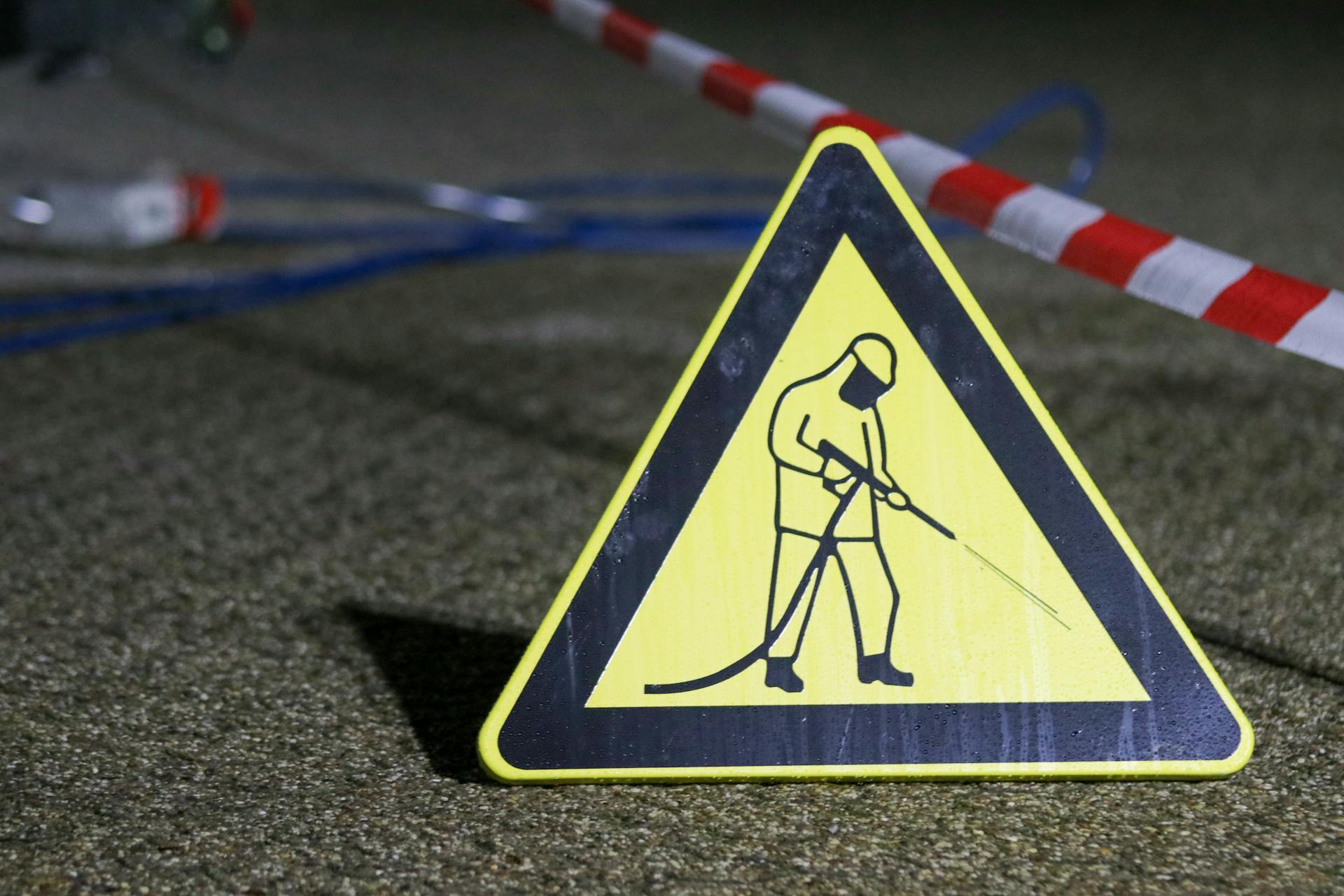
Industries that require durable coatings and clean surface finishes often rely on abrasive blasting to prepare materials before painting, sealing, or restoration work begins. This process removes rust, corrosion, old coatings, dirt, and surface contaminants from a wide range of materials, including steel, concrete, aluminium, and industrial equipment. Proper surface preparation is essential because it improves coating adhesion, extends material lifespan, and helps maintain structural integrity in demanding operating environments.
Many industrial and commercial projects also use wet blasting as an effective alternative to traditional dry blasting methods. Wet blasting combines abrasive materials with water to reduce airborne dust and create a cleaner working environment. This method is commonly used in areas where dust control is important, such as construction sites, marine facilities, industrial plants, and urban environments. Wet blasting also helps minimise heat buildup during the cleaning process, making it suitable for sensitive surfaces that may be damaged by excessive friction.
Why Surface Preparation Is Important In Industrial Work
Surface preparation is one of the most critical stages of any coating or restoration project. Even the highest-quality protective coatings can fail prematurely if surfaces are not cleaned properly before application. Contaminants such as rust, grease, scale, and old paint prevent coatings from bonding effectively, leading to peeling, corrosion, and reduced durability over time.
Abrasive blasting creates a clean and textured surface that improves coating adhesion significantly. This process allows paints and protective coatings to bond more securely with the material, increasing resistance to moisture, chemicals, and harsh environmental conditions. Proper preparation also reduces maintenance costs by extending the lifespan of industrial structures and equipment.
Industries such as mining, marine, oil and gas, manufacturing, and infrastructure rely heavily on effective surface preparation to protect valuable assets from wear and corrosion. Regular maintenance and blasting services help improve operational safety while reducing the risk of structural deterioration caused by environmental exposure.
Surface preparation also plays a key role in meeting industry standards and compliance requirements. Many industrial projects require specific surface cleanliness levels before coatings can be applied. Professional blasting services ensure these standards are achieved consistently across large and complex projects.
Understanding Different Abrasive Blasting Techniques
Abrasive blasting involves propelling abrasive materials at high speed to clean or profile surfaces. Different blasting methods are used depending on the material type, surface condition, and project requirements. Selecting the right technique is important for achieving the desired finish without damaging the substrate.
Dry abrasive blasting is commonly used for heavy-duty industrial cleaning and corrosion removal. This method delivers strong cleaning power and is highly effective for removing thick coatings, rust, and scale from steel structures and machinery. However, dry blasting can generate significant dust, requiring appropriate containment and safety measures.
Wet blasting provides similar cleaning performance while reducing airborne dust particles. Water added during the blasting process suppresses dust generation and improves visibility in the work area. This makes wet blasting suitable for projects in populated or environmentally sensitive locations where dust control is essential.
Other specialised blasting methods include vapour blasting, soda blasting, and bead blasting. Each technique offers different advantages depending on the required surface finish, environmental conditions, and material sensitivity. Experienced contractors evaluate project requirements carefully to determine the most effective blasting solution.
Benefits Of Wet Blasting In Modern Industrial Projects
Wet blasting has become increasingly popular because it offers both environmental and operational advantages. One of the main benefits is dust suppression, which improves workplace safety and reduces environmental contamination. Lower dust levels also make cleanup easier and help businesses comply with environmental regulations and workplace health standards.
Another advantage of wet blasting is reduced heat and friction during the cleaning process. Traditional dry blasting can create heat that may damage delicate surfaces or thin materials. Wet blasting minimises this risk by cooling the surface during operation, making it suitable for applications involving softer metals or sensitive equipment.
Wet blasting also reduces the risk of static electricity and sparks, which is particularly important in hazardous industrial environments such as oil and gas facilities. Improved safety conditions help protect workers while reducing the likelihood of operational incidents during maintenance activities.
In addition to industrial applications, wet blasting is commonly used in restoration projects where preserving the original material is important. Historic buildings, monuments, and delicate architectural surfaces can often be cleaned more safely using controlled wet blasting methods.
Challenges In Surface Preparation Projects
Surface preparation projects often involve challenging operating conditions that require specialised equipment and experienced technicians. Large industrial structures, confined spaces, and harsh environmental conditions can make blasting work more complex and time-sensitive.
Environmental regulations also affect how blasting operations are managed. Businesses must control dust, waste materials, and water runoff carefully to minimise environmental impact and maintain regulatory compliance. Professional contractors use containment systems, filtration equipment, and waste management procedures to address these requirements effectively.
Material selection is another important factor in blasting projects. Different abrasive materials create different surface profiles and cleaning results. Selecting the wrong abrasive can damage surfaces or reduce coating performance. Experienced blasting professionals understand how to match abrasive types with specific materials and project goals.
Worker safety remains a major priority during blasting operations. Proper protective equipment, ventilation systems, and training are essential for preventing exposure to dust, noise, and hazardous materials. Professional blasting companies follow strict safety protocols to maintain safe working conditions throughout the project.
Conclusion
Abrasive blasting and wet blasting remain essential processes for surface preparation, industrial maintenance, and asset protection across multiple industries. Proper blasting methods improve coating performance, extend material lifespan, and help businesses maintain safe and reliable operations.