
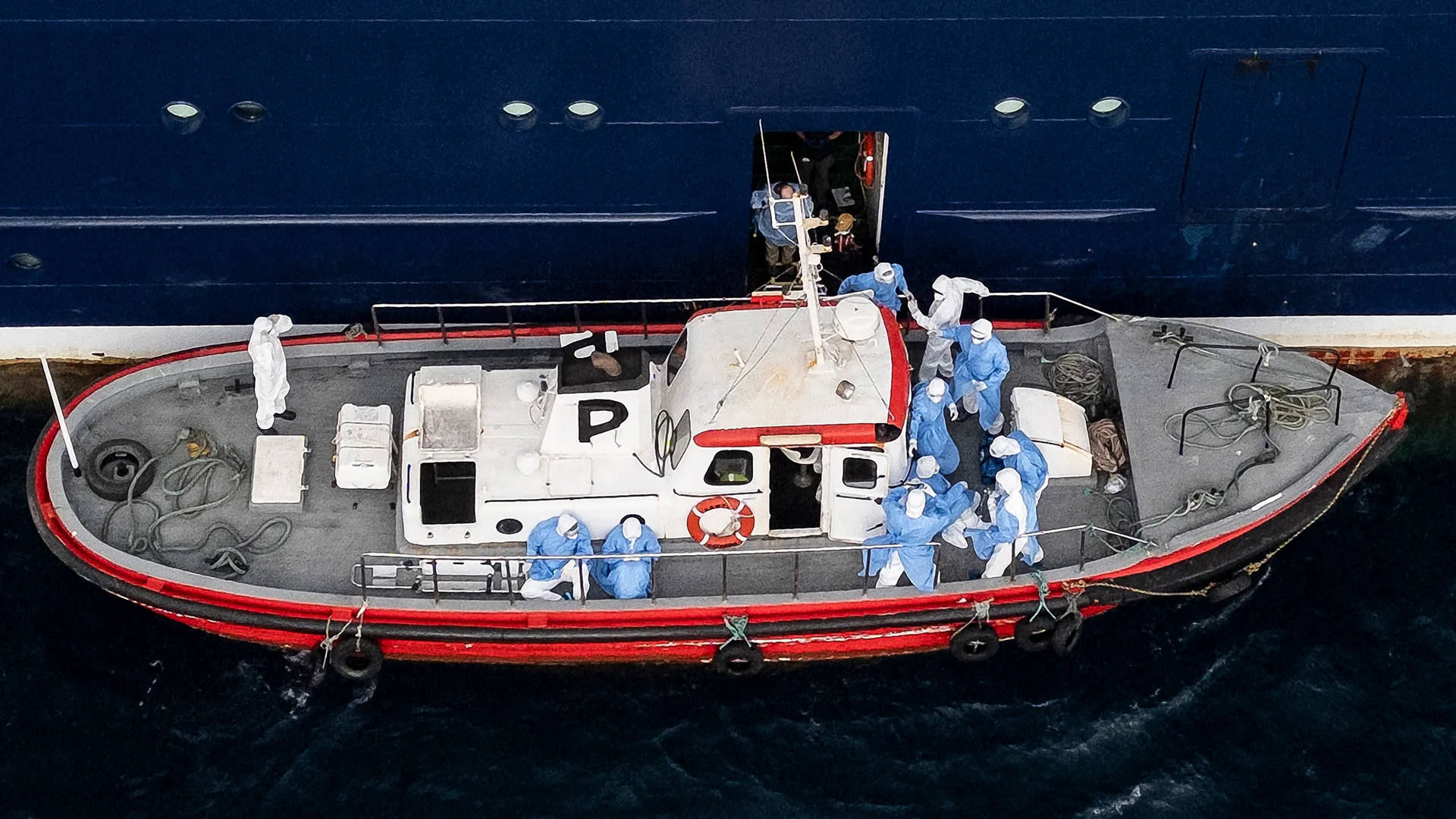
Cruise ships are often envisioned as floating paradises of relaxation and luxury, but because they host thousands of travelers in close proximity for extended periods, they can also become prime environments for infectious diseases. While seasoned travelers are well-acquainted with common gastrointestinal disruptions like norovirus, a recent and alarming event has forced global health agencies to look at a much rarer threat. Public health officials are currently investigating a suspected outbreak of hantavirus aboard a cruise liner originating from South America, an incident that has tragically claimed three lives and left several others sickened.
To properly protect oneself and understand the risks of travel, it is essential to understand what to know about hantavirus and how this historically land-bound pathogen managed to find its way onto a passenger vessel.
Understanding the Roots of an Ancient Pathogen
Though it feels like a modern headline, genetic and historical studies indicate that hantaviruses have actually coexisted with rodents and humans for centuries. Historically, documented outbreaks have cropped up across Asia and Europe, where the virus traditionally manifested as hemorrhagic fever with renal syndrome (HFRS), leading to severe kidney failure.
It wasn’t until the early 1990s that the medical community in the Western Hemisphere truly recognized the virus’s diverse reach. A sudden, mysterious outbreak of acute respiratory failure in the Four Corners region of the United States—where Arizona, Utah, Colorado, and New Mexico meet—led to the discovery of a new class of hantaviruses. This variant causes Hantavirus Pulmonary Syndrome (HPS), a dangerous respiratory illness that fills the lungs with fluid. The disease recently captured public attention again last year following the tragic passing of Betsy Arakawa, wife of the late actor Gene Hackman, due to an infection contracted in New Mexico.
How the Virus Spreads and Why the Cruise Outbreak is Unusual
Under normal circumstances, Hantavirus is strictly a rodent-borne illness. It does not typically live on surfaces or spread freely through the air without a specific catalyst. Instead, humans contract the virus through direct contact with infected rodents, or more commonly, by inhaling airborne particles of their urine, saliva, or droppings. This usually happens when people sweep or vacuum enclosed, poorly ventilated spaces like rustic cabins, sheds, or barns, inadvertently launching microscopic viral particles into the air.
Because of this specific transmission pathway, a cruise ship outbreak is highly unusual. The virus is famous for not spreading easily from person to person. However, researchers point out that a specific strain native to South America—the Andes virus—has shown a rare capability for limited human-to-human transmission. Since the affected cruise ship originated in Argentina, scientists suspect this specific South American variant might be the culprit, offering a unique opportunity to study how the virus behaves among tightly packed populations.
Recognizing the Symptoms: From Flu-Like Aches to Respiratory Distress
One of the biggest challenges in managing this disease is that its early stages mimic everyday illnesses, making early detection a significant hurdle for doctors.
Early Stage Symptoms
In the first few days of infection, patients generally experience standard, flu-like symptoms. These include:
- High fever and chills
- Deep muscle aches (especially in the thighs, hips, and back)
- Fatigue and headaches
- Occasional dizziness and abdominal pain
Late Stage Complications
As the illness progresses, the timeline splits depending on the specific strain involved. For the respiratory version (HPS), symptoms typically worsen between one to eight weeks after exposure. The lungs begin filling with fluid, causing patients to experience a severe tightness in the chest, coughing, and shortness of breath as their oxygen levels drop. For the Eurasian version (HFRS), kidney failure and internal bleeding can manifest within two weeks. The stakes are incredibly high: HPS carries a staggering mortality rate of about 35 percent, while HFRS ranges from a 1 to 15 percent fatality rate.
Prevention, Treatment, and the Path Forward
Currently, there is no specific cure, antiviral treatment, or vaccine available for this pathogen. Medical care relies entirely on supportive therapy, which emphasizes early hospitalization, oxygen administration, and intensive mechanical ventilation to help patients breathe while their bodies fight off the infection.
To prevent exposure, public health experts emphasize keeping mice and rats out of living spaces. When cleaning areas where rodents have been present, it is vital to wear protective gloves and drench the area in a heavy bleach solution before wiping it down. Sweeping or vacuuming should be strictly avoided to prevent the virus from becoming airborne.
In the End
The unexpected situation unfolding on the cruise ship reminds us that infectious diseases can easily disrupt global travel in unforeseen ways. While there are still many mysteries surrounding why the virus affects individuals so differently, epidemiological investigations into this maritime outbreak will undoubtedly provide critical insights into transmission dynamics, ultimately helping global health systems better manage and prevent future encounters with this dangerous pathogen.