
Running social media ads without testing is like throwing darts in the dark. One headline may attract clicks but fail to generate sales. Another creative might look simple yet bring in lower acquisition costs and stronger engagement.
That is why A/B testing has become one of the most valuable strategies in paid social media marketing. It helps brands make decisions based on actual audience behavior instead of assumptions.
In 2026, this matters more than ever. Competition on platforms like Meta Platforms, TikTok, and LinkedIn continues to grow, while ad costs keep rising across industries. Recent Meta advertising benchmark reports show average click-through rates often fall between 1.4% and 1.8%, depending on industry and placement.
A small improvement in performance can create a major difference in profitability. A rise in conversion rate from 2% to 3% may reduce acquisition costs dramatically at scale.
This article explains how to run effective A/B tests for social media ads, what elements to test, common mistakes to avoid, and how marketers can use data to improve performance consistently.
What Is A/B Testing in Social Media Advertising?
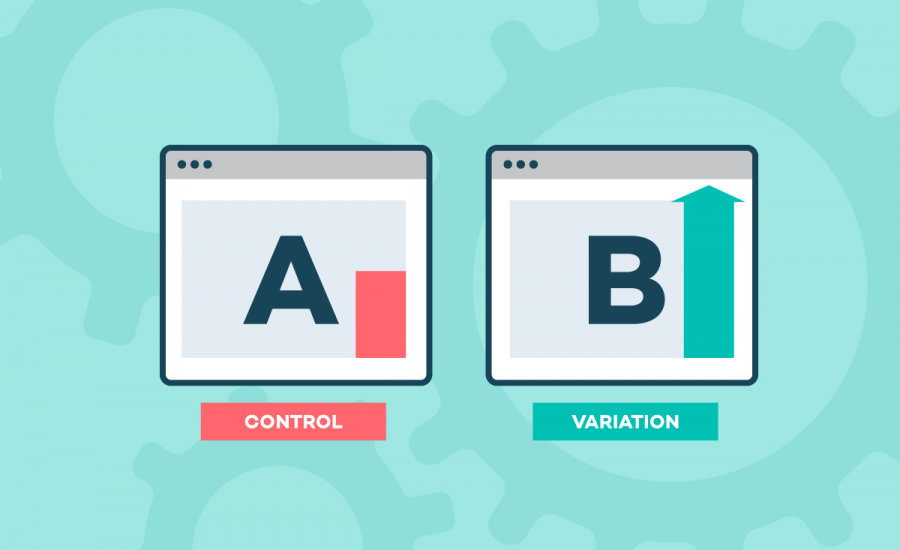
A/B testing, also called split testing, is the process of comparing two versions of an ad to determine which performs better.
You create two variations with one changed element. The audience is then split into groups, and performance data reveals which version delivers stronger results.
For example:
- Ad A uses a short headline
- Ad B uses a question-based headline
Everything else stays the same.
After enough impressions and clicks, marketers can identify which version generated better results based on metrics like:
- Click-through rate
- Conversion rate
- Cost per acquisition
- Return on ad spend
- Video watch time
- Engagement rate
The goal is not just to get more clicks. The real objective is finding which variation drives meaningful business outcomes.
Why A/B Testing Matters More in 2026
Social media platforms have become heavily automated. AI-driven delivery systems now decide who sees ads, when they appear, and how budgets are distributed.
This automation creates opportunities, but it also increases unpredictability.
For example, some marketers on Reddit have reported situations where ads generated high click-through rates but poor conversions because the creative attracted curiosity rather than purchase intent.
Another common issue involves rising ad costs and declining engagement despite strong targeting strategies. Several advertisers have discussed sudden CTR drops across Meta campaigns during 2026.
Testing helps marketers respond faster to these shifts. Many advertisers also use specialized PPC tools to monitor campaign performance, identify trends, and make data-driven optimization decisions more efficiently.
Instead of relying on assumptions like:
- “Video ads always perform better”
- “Long copy converts better”
- “Bright colors get more clicks”
A/B testing provides direct evidence from your audience.
Elements You Should Test in Social Media Ads
1. Headlines
The headline often determines whether someone stops scrolling.
Test variations such as:
- Question-based headlines
- Benefit-driven headlines
- Emotional messaging
- Numbers and statistics
- Urgency-focused copy
Example:
- “Struggling to Reduce Ad Costs?”
- “Cut Your CPA by 27% With This Strategy”
Even a small wording change can affect performance.
2. Ad Creative
Creative fatigue happens quickly in social advertising.
A 2026 ecommerce benchmark report found that high-performing brands frequently refresh creatives to maintain engagement levels.
Test:
- Static image vs video
- User-generated content vs polished studio ads
- Close-up product shots vs lifestyle visuals
- Different colors and layouts
- Different hooks in the first three seconds of video
Many brands now find that authentic low-production videos outperform highly polished content. HubSpot’s social trends research reported that 76% of marketers believe authentic low-production videos generate stronger results.
3. Call-to-Action Buttons
Small wording changes can influence conversions.
Test options like:
- Learn More
- Shop Now
- Get Started
- Download Free Guide
- Claim Your Offer
A softer CTA may work better for cold audiences, while direct CTAs can perform well with retargeting campaigns.
4. Audience Segments
Sometimes the problem is not the ad. It is the audience.
Test:
- Interest-based targeting
- Lookalike audiences
- Broad targeting
- Retargeting audiences
- Demographic segments
Many advertisers now rely more on creative quality because AI-driven targeting systems have evolved significantly.
5. Ad Placements
Performance often changes across placements.
For example:
- Instagram Reels
- Facebook Feed
- Stories
- TikTok feed placements
Some benchmark reports show Reels placements can generate lower CPMs compared to traditional feed placements in certain industries.
Testing placements separately helps avoid wasted budget.
How to Run an Effective A/B Test
Test One Variable at a Time
This is the biggest rule.
If you change the headline, image, and CTA all at once, you will not know which factor caused the result.
Keep everything identical except the single variable being tested.
Use Enough Data
A test with 20 clicks is rarely reliable.
Wait until you gather enough impressions and conversions before making decisions.
Smaller budgets require longer testing periods.
Avoid Ending Tests Too Early
Many marketers panic after one day of poor performance.
Social ad algorithms often need time to optimize delivery.
Ending campaigns too quickly can lead to misleading conclusions.
Define Success Metrics Before Launch
Know what success means before the campaign begins.
Depending on campaign goals, that might include:
- Lower cost per lead
- Higher conversion rate
- Better return on ad spend
- Increased engagement
- More qualified traffic
Without clear goals, results become confusing.
Common A/B Testing Mistakes
Testing Too Many Variables
This creates messy data and weak conclusions.
Ignoring the Landing Page
An excellent ad cannot fix a poor landing page experience.
Some marketers report high CTRs but extremely low purchase conversions because the landing page failed to match the ad promise.
Chasing Vanity Metrics
High engagement does not always mean profitability.
An ad with lower CTR but higher conversion rate may actually perform better financially.
Using Weak Creative Variations
If both versions look nearly identical, results may not provide useful insights.
Create meaningful differences between versions.
The Human Side of A/B Testing
Many marketers treat testing like a purely technical process.
It is not.
Behind every click is a person making emotional decisions in seconds.
One startup founder may respond better to direct language. Another may connect more with storytelling.
A fitness brand once tested two video ads:
- One focused on workout results
- One focused on confidence and mental health
The emotional version generated fewer clicks but far more purchases because it connected with the audience at a deeper level.
Data matters, but understanding human psychology matters just as much.
How Often Should You Run A/B Tests?
Consistent testing usually produces better long-term performance.
Top-performing advertisers often test:
- New creatives weekly
- Headlines every campaign cycle
- Different audience segments monthly
Social media trends change quickly. What worked six months ago may fail today.
Continuous optimization keeps campaigns competitive.
Final Thoughts
A/B testing is not about chasing perfection. It is about making steady improvements that compound over time.
A slightly stronger headline, a better audience segment, or a more relatable video hook can create meaningful gains in performance.
In modern social media advertising, guessing is expensive.
Testing gives marketers clarity.
Brands that consistently experiment, analyze data carefully, and adapt to audience behavior are far more likely to improve engagement, reduce wasted spend, and build stronger advertising results over time.
Related: Best Google Ads Agency in India with Proven PPC Results
