
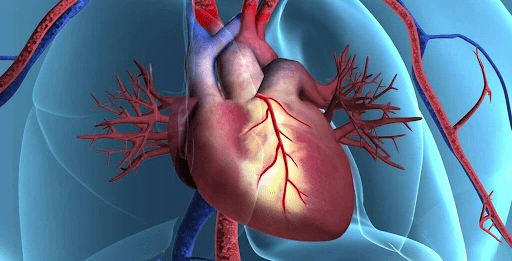
Recovering from congestive heart failure surgery is a critical period that significantly influences long-term heart health and overall well-being. While surgical advancements have made these procedures safer and more effective, the post-operative phase demands careful attention, disciplined routines, and informed choices. Many patients concentrate primarily on the surgery itself, overlooking the importance of recovery habits and follow-up care. Even minor oversights during this period, ranging from medication mismanagement to lifestyle lapses, can slow healing, increase the likelihood of complications, and compromise the lasting benefits of the procedure.
Below are the most common missteps that can compromise recovery, along with some actionable insights to help patients navigate this critical period safely. By understanding these pitfalls, patients and caregivers can take proactive steps to optimize outcomes and ensure the full benefits of heart failure surgery.
1. Ignoring Medication Schedules and Dosages
One of the most common mistakes during recovery is neglecting prescribed medications. Patients may skip doses, alter timing, or discontinue drugs without consulting their cardiologist. This can directly interfere with heart function and impede recovery.
- Skipping Medications: Missing doses of diuretics, ACE inhibitors, or beta-blockers can lead to fluid retention, increased blood pressure, and worsening heart failure symptoms. Consistency is key to maintaining cardiac stability.
- Self-Modifying Dosages: Adjusting medication strength based on perceived improvement or side effects can create dangerous imbalances. Always consult a healthcare professional before making changes.
- Overlooking Supplement Interactions: Vitamins, herbal supplements, or over-the-counter drugs may interact with prescribed medications, reducing efficacy or causing adverse effects. Documenting all substances and discussing them with the cardiologist is crucial.
Proper adherence to medication schedules is foundational to recovery. Patients should use reminders, pill organizers, and follow-up consultations to maintain a structured routine and avoid avoidable complications.
2. Neglecting Lifestyle Adjustments
Recovery from heart failure surgery is not limited to hospital care; lifestyle habits play a critical role in sustaining improvements. Neglecting these adjustments can compromise healing and long-term cardiac function.
- Dietary Oversights: High-sodium foods, excessive fluids, and unhealthy fats can exacerbate heart stress and fluid accumulation. Following a heart-healthy diet rich in vegetables, lean proteins, and whole grains is essential.
- Sedentary Lifestyle: While overexertion is dangerous, complete inactivity can slow circulation and delay strength recovery. Structured, moderate exercise programs approved by a cardiologist help maintain cardiovascular fitness.
- Ignoring Stress Management: Chronic stress increases heart workload and can interfere with recovery. Incorporating mindfulness, therapy, or relaxation techniques is critical to holistic healing.
By adopting small but consistent lifestyle changes, patients can complement medical treatments, prevent setbacks, and reduce the risk of readmission.
3. Failing to Attend Follow-Up Appointments
Routine follow-ups with cardiologists and rehabilitation specialists are often underestimated. Skipping or delaying appointments can hinder early detection of complications and prolong recovery.
Patients recovering from heart failure surgery require close monitoring of blood pressure, heart rhythm, fluid levels, and overall cardiac function as part of comprehensive heart failure treatment. Follow-ups enable timely adjustments to medications, early identification of infections, and intervention for complications such as arrhythmias or graft issues. Moreover, these visits provide an opportunity to reinforce lifestyle recommendations, assess functional capacity, and address any questions or concerns that may arise. Consistent communication with the medical team ensures that recovery progresses smoothly, preventing minor issues from escalating into serious problems.
4. Overexertion and Ignoring Physical Limitations
Physical activity after surgery must be carefully managed. Many patients make the mistake of either overexerting themselves too early or avoiding activity altogether.
- Excessive Strain: Resuming heavy lifting, intense exercise, or physically demanding tasks too soon can stress the heart, cause chest pain, or lead to fluid retention. Recovery should follow a graded plan based on medical guidance.
- Neglecting Rehabilitation Programs: Cardiac rehabilitation provides structured exercises and monitoring that enhance recovery safely. Skipping sessions delays the rebuilding of strength, improvement in endurance, and overall mobility.
- Ignoring Symptoms: Experiencing shortness of breath, swelling, or fatigue during activity should prompt immediate medical consultation. Ignoring these signs increases the risk of complications and hospital readmission.
Balanced physical activity, guided by medical professionals, helps restore strength, improve circulation, and support long-term heart health.
5. Underestimating Emotional and Mental Well-being
Emotional health is a crucial yet often overlooked aspect of recovery. Anxiety, depression, or fear of re-injury can affect adherence to medical advice, motivation, and lifestyle choices. Patients who neglect emotional well-being may experience slower recovery, poor sleep, and higher stress levels, all of which impact heart function.
- Recognize Warning Signs: Persistent sadness, irritability, or withdrawal can signal the need for professional mental health support. Early recognition allows timely intervention, reducing the risk of prolonged emotional distress. Counseling or therapy during recovery helps patients cope effectively and maintain motivation.
- Build Support Networks: Engaging family members, peer support groups, or cardiac rehabilitation programs offers both emotional and practical guidance. These networks encourage adherence to treatment plans and provide reassurance during challenging phases. Active support enhances overall mental resilience and physical recovery outcomes.
- Incorporate Mindfulness Practices: Techniques such as meditation, deep breathing, and guided relaxation help manage stress and promote emotional balance. Regular mindfulness practice can lower heart rate, stabilize blood pressure, and improve sleep quality. Integrating these practices into daily routines supports a smoother, more holistic recovery process.
Acknowledging the connection between mental and cardiac health enables patients to approach recovery holistically, thereby optimizing surgical benefits and enhancing long-term quality of life.
Conclusion:
Recovery after a heart failure surgery is a multifaceted process that requires careful attention to medications, lifestyle adjustments, physical activity, follow-up care, and emotional well-being. Avoiding the common mistakes outlined above is essential for reducing complications and achieving the best possible outcomes. Modern heart failure treatment offers patients powerful tools for improved survival and quality of life; however, the success of these interventions depends heavily on diligent post-operative care.
For professional guidance, comprehensive recovery planning, and personalized cardiac care, consulting with Dr. Udgeath Dhir ensures patients receive expert support every step of the way. From understanding the full spectrum of cardiac procedures to tailoring post-operative strategies, patients gain clarity and confidence in their recovery journey. This approach not only addresses immediate surgical needs but also promotes long-term heart health and improved quality of life.