
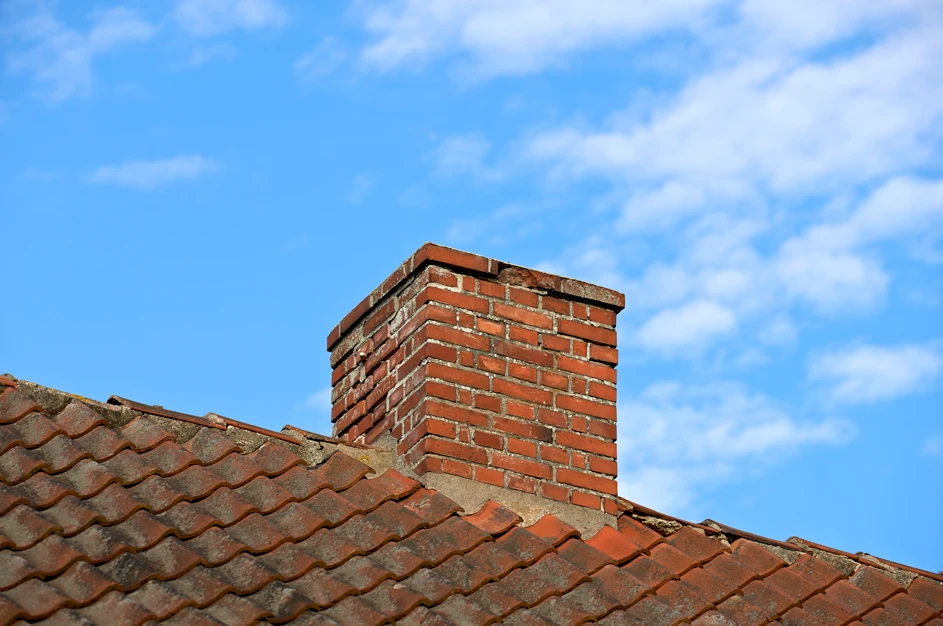
A clean and well-maintained chimney is crucial for the safety and efficiency of your fireplace or wood stove. Over time, soot, creosote, and debris can build up, increasing the risk of chimney fires, blockages, and even harmful gas exposure. Regular maintenance, including professional Chimney Cleaning in Long Island, ensures your chimney functions safely and efficiently.
Here are 20 signs that indicate your chimney may need cleaning.
1. Visible Creosote Buildup
Creosote is a black, tar-like substance that forms when wood burns. Thick deposits inside the flue are a major fire hazard and indicate it’s time for professional cleaning.
2. Strong Smoke Smell Indoors
If you notice a persistent smoky odor in your home, even when the fireplace isn’t in use, it could mean your chimney is clogged or dirty.
3. Slow or Poor Draft
Smoke that lingers in the fireplace or enters your living space instead of venting outside suggests a blockage or buildup in the flue.
4. Soot on Fireplace Surroundings
Black soot on walls, ceilings, or mantels near the fireplace is a sign that smoke isn’t properly venting and the chimney needs attention.
5. Excessive Ash Accumulation
More ash than usual after burning wood may indicate incomplete combustion caused by restricted airflow from a dirty chimney.
6. Cracks or Deterioration in the Chimney Lining
Structural damage, such as cracks or crumbling mortar, can allow soot and smoke to escape into your home. Cleaning and inspection are necessary.
7. Birds or Animal Nests
Birds, squirrels, or other animals sometimes make nests in chimneys, which can block airflow and create fire hazards.
8. Debris in the Chimney
Leaves, twigs, or other debris can obstruct the flue and reduce ventilation, making professional cleaning necessary.
9. Creosote Flakes Falling
If you see flakes of creosote falling into the fireplace, it’s a sign that buildup is significant and needs removal.
10. Excessive Soot on Glass Doors
If the glass on your fireplace doors is coated with soot that doesn’t easily wipe away, your chimney may require cleaning.
11. Smoke Entering the Home
Any time smoke backs up into the house instead of venting outside, it indicates a blocked or dirty chimney.
12. Firebacking
When flames and sparks move backward into the fireplace or room, it’s often due to insufficient airflow caused by creosote or debris buildup.
13. Corrosion in Metal Components
Rust or corrosion on your damper or chimney cap can indicate trapped moisture caused by blockages or poor ventilation.
14. Strange Noises
Unusual sounds like scratching or fluttering may indicate animals or loose debris inside the chimney.
15. Reduced Heating Efficiency
If your fireplace seems less effective at heating, poor draft from a dirty chimney could be the cause.
16. Sticky Residue Inside the Flue
Thick, sticky creosote lining the chimney walls is a fire hazard and a clear signal that cleaning is overdue.
17. Soot Around the Chimney Top
Dark stains at the top of the chimney indicate smoke isn’t properly venting, often due to blockages or buildup.
18. Strong Tar Smell
A pungent, tar-like odor near the fireplace usually signals creosote accumulation.
19. Water Stains or Leaks
Water entering your chimney can mix with soot to form a messy, corrosive buildup, which requires professional cleaning and maintenance.
20. Extended Period Since Last Cleaning
If it’s been more than a year since your last chimney cleaning—or longer if the fireplace is frequently used—it’s time to schedule a professional service.
Why Professional Chimney Cleaning in Long Island Matters
While homeowners can perform minor inspections, professional Chimney Cleaning in Long Island services provide:
- Complete removal of creosote and soot
- Thorough inspection for cracks, blockages, or animal nests
- Cleaning of flue liners and dampers
- Prevention of chimney fires and smoke damage
- Advice on proper fireplace usage and maintenance
Regular professional cleaning ensures your chimney operates safely and efficiently, protecting both your home and family.
Tips for Maintaining Your Chimney Between Cleanings
- Burn only seasoned, dry wood to minimize creosote buildup.
- Avoid overfiring, which can damage the chimney lining.
- Use a chimney cap to prevent debris and animals from entering.
- Keep your fireplace area clean and free from excess ash.
- Schedule annual inspections with a professional chimney service.
Final Thoughts
A clean chimney is not just a matter of aesthetics—it’s critical for safety, efficiency, and long-term performance. Recognizing the 20 signs that your chimney needs attention can help prevent dangerous situations and costly repairs.
For homeowners in Long Island, professional Chimney Cleaning in Long Island services are the safest and most effective way to maintain your fireplace. Regular cleaning and inspections ensure proper ventilation, prevent fires, and extend the life of your chimney, giving you peace of mind during the colder months.