
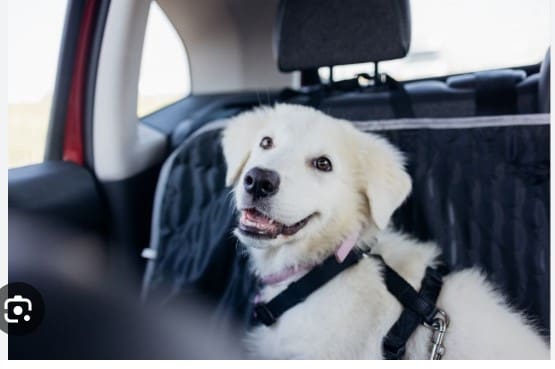
Moving to a new country is exciting, but when you’re bringing a furry family member along, the process becomes more complex. If you’re planning pet relocation to Singapore, you’ll need to navigate specific regulations, health requirements, and logistics to ensure your pet arrives safely and legally.
Singapore maintains strict import rules to protect its rabies-free status and prevent the introduction of diseases. While this means more paperwork and preparation on your end, it also ensures a safe environment for all pets once they arrive. Whether you’re moving with a dog, cat, or other animal, understanding the requirements well in advance will make the transition smoother for everyone involved.
This guide walks you through everything you need to know about pet relocation to Singapore, from required vaccinations and permits to choosing the right transportation method and settling your pet into their new home.
Understanding Singapore’s Pet Import Requirements
Singapore’s Agri-Food & Veterinary Authority (AVA), now part of the Singapore Food Agency (SFA), oversees all pet imports. The country categorizes animals based on their country of origin, which determines the quarantine requirements and approval process.
Category A, B, C, and D Countries
Singapore classifies countries into four categories based on rabies risk:
Category A countries are considered low-risk and include Australia, New Zealand, the United Kingdom, and several European nations. Pets from these countries face minimal quarantine requirements if all conditions are met.
Category B countries include the United States, Canada, and most European countries not in Category A. These pets may need quarantine depending on their vaccination history and health status.
Category C countries are considered higher risk and include most Asian countries, South America, and Africa. Pets from these locations typically require longer quarantine periods.
Category D countries have the highest rabies risk, and imports from these nations face the strictest requirements, including mandatory quarantine of up to 30 days.
Check the SFA website to confirm your country’s classification, as these categories can change based on disease outbreaks or policy updates.
Required Vaccinations and Health Certificates
Your pet must be up to date on all vaccinations before arriving in Singapore. The specific requirements vary by animal type and country of origin, but some universal standards apply.
Rabies Vaccination
All dogs and cats must be vaccinated against rabies at least 30 days before travel but not more than one year prior. You’ll need documentation showing the vaccination date, vaccine type, and batch number. If your pet received a three-year rabies vaccine, you’ll still need to comply with Singapore’s one-year validity requirement.
Puppies and kittens must be at least three months old before receiving their rabies vaccination, which means they cannot travel to Singapore until they’re at least four months old.
Other Vaccinations
Dogs should be vaccinated against distemper, hepatitis, leptospirosis, parvovirus, and parainfluenza. Cats need protection against feline panleukopenia, rhinotracheitis, and calicivirus. Keep detailed records of all vaccinations, including dates and veterinarian signatures.
Health Certificate
Within seven days of departure, your pet needs a health certificate issued by a licensed veterinarian. This certificate must confirm your pet is free from infectious diseases and fit for travel. Some countries require additional endorsement from government veterinary authorities, so check with your airline and the SFA for specific requirements.
Microchipping Your Pet
All dogs and cats entering Singapore must have an ISO-compliant microchip (11784 or 11785 format) implanted before or at the time of rabies vaccination. The microchip number must match all documentation, including vaccination records, health certificates, and import permits.
If your pet already has a non-ISO microchip, you’ll need to either have an ISO chip implanted or bring a compatible scanner with you to Singapore. Keep the microchip documentation with your travel papers, as customs officials will scan your pet upon arrival.
Obtaining an Import Permit
You must secure an import permit from the SFA before your pet can enter Singapore. Apply at least seven days before your planned arrival date, though applying several weeks in advance is recommended to account for any issues or delays.
Application Process
Submit your application through the SFA’s online portal, providing:
- Your pet’s microchip number
- Vaccination records
- Health certificate
- Flight details
- Your Singapore address
- Quarantine facility information (if applicable)
The permit fee varies depending on the type of animal and country of origin. Once approved, you’ll receive a permit with a validity period, typically 30 days from the issue date.
Choosing the Right Transportation Method
Most pets travel as cargo rather than in the cabin, especially on long-haul flights to Singapore. While this might seem stressful, airlines have specific protocols to ensure animal safety during transport.
Airline Selection
Not all airlines accept pets, and those that do have varying policies and fees. Research airlines that service your route and compare their pet policies, including:
- Crate requirements and size restrictions
- Temperature limitations (some airlines won’t transport pets during extreme heat or cold)
- Breed restrictions (certain brachycephalic breeds may be prohibited)
- Additional fees and insurance options
Singapore Airlines, Lufthansa, and KLM are among the carriers known for their pet-friendly policies, though availability depends on your departure location.
Crate Requirements
Your pet’s travel crate must meet International Air Transport Association (IATA) standards. The crate should be large enough for your pet to stand, turn around, and lie down comfortably. It must be well-ventilated, secure, and labeled with your contact information and “Live Animal” stickers.
Familiarize your pet with their crate weeks before travel. Place treats, toys, and bedding inside to create positive associations. This preparation reduces stress during the actual journey.
Quarantine Requirements
Quarantine length depends on your country of origin and your pet’s compliance with import requirements. Some pets from Category A countries may avoid quarantine entirely if they meet all conditions, while others face stays of 10 to 30 days.
Quarantine Facilities
Singapore operates government-approved quarantine facilities where pets receive daily care, exercise, and veterinary monitoring. You can visit your pet during quarantine hours, though contact may be limited depending on health protocols.
Book quarantine space when you apply for your import permit, as facilities can fill up quickly, especially during peak moving seasons. Quarantine fees are separate from permit costs and vary based on the length of stay and type of animal.
Arrival Procedures
When you arrive in Singapore, head to the cargo terminal where your pet will be processed through customs. Bring all original documentation, including:
- Import permit
- Health certificate
- Vaccination records
- Microchip documentation
- Flight details
An SFA officer will inspect your pet and verify all paperwork. If everything is in order and quarantine isn’t required, you can take your pet home immediately. Otherwise, your pet will be transported to the designated quarantine facility.
Settling Your Pet in Singapore
Once you’ve cleared customs and quarantine, help your pet adjust to their new environment. Singapore’s tropical climate, urban setting, and different routines can be overwhelming at first.
Climate Adjustment
Singapore’s heat and humidity are intense for pets, especially those from cooler climates. Limit outdoor activities during the hottest parts of the day, provide plenty of fresh water, and watch for signs of heat stress like excessive panting or lethargy.
Finding a Veterinarian
Register with a local veterinarian soon after arrival. Singapore has excellent veterinary care, with many clinics offering 24-hour emergency services. Your vet can provide advice on local health concerns, such as heartworm prevention and tick control, which are important in tropical climates.
Licensing Requirements
Dogs must be licensed with the SFA within 14 days of arrival or when they turn three months old. Licensing requires proof of rabies vaccination and costs vary depending on whether your dog is sterilized. Cats don’t require licenses in Singapore.
Pet-Friendly Housing
Many condominiums and apartments in Singapore have pet policies that restrict the number, size, or type of animals allowed. If you’re renting, confirm your landlord’s pet policy before signing a lease. HDB flats (public housing) have strict rules limiting residents to one approved dog from a specific breed list.
Costs to Consider
Pet relocation to Singapore involves multiple expenses. Budget for:
- Veterinary exams and vaccinations: $200-$500
- Microchipping: $50-$100
- Health certificates and endorsements: $100-$300
- Import permit fees: $20-$70
- Airline pet fees: $200-$1,000+ depending on size and route
- Travel crate: $100-$300
- Quarantine fees: $50-$100 per day (if applicable)
- Pet relocation services: $1,500-$5,000+ for full-service assistance
These figures are estimates and can vary based on your specific situation, country of origin, and the services you choose.
Using a Pet Relocation Service
Many people hire professional pet relocation companies to handle the complex logistics. These services manage documentation, book flights, arrange quarantine, and sometimes provide door-to-door transport for your pet.
While this adds to the overall cost, it can reduce stress and ensure compliance with all regulations. If you’re managing an international move with limited time, a relocation service might be worth the investment. Research companies thoroughly, read reviews, and confirm they’re experienced with Singapore’s specific requirements.
Planning Your Pet’s Move Successfully
Pet relocation to Singapore requires careful planning, attention to detail, and patience. Start the process at least three to six months before your move to allow time for vaccinations, permit applications, and any unexpected delays.
Keep digital and physical copies of all documents, maintain open communication with your veterinarian and airline, and stay updated on any regulation changes through the SFA website. With proper preparation, your pet will join you safely in Singapore, ready to explore their new home alongside you.