
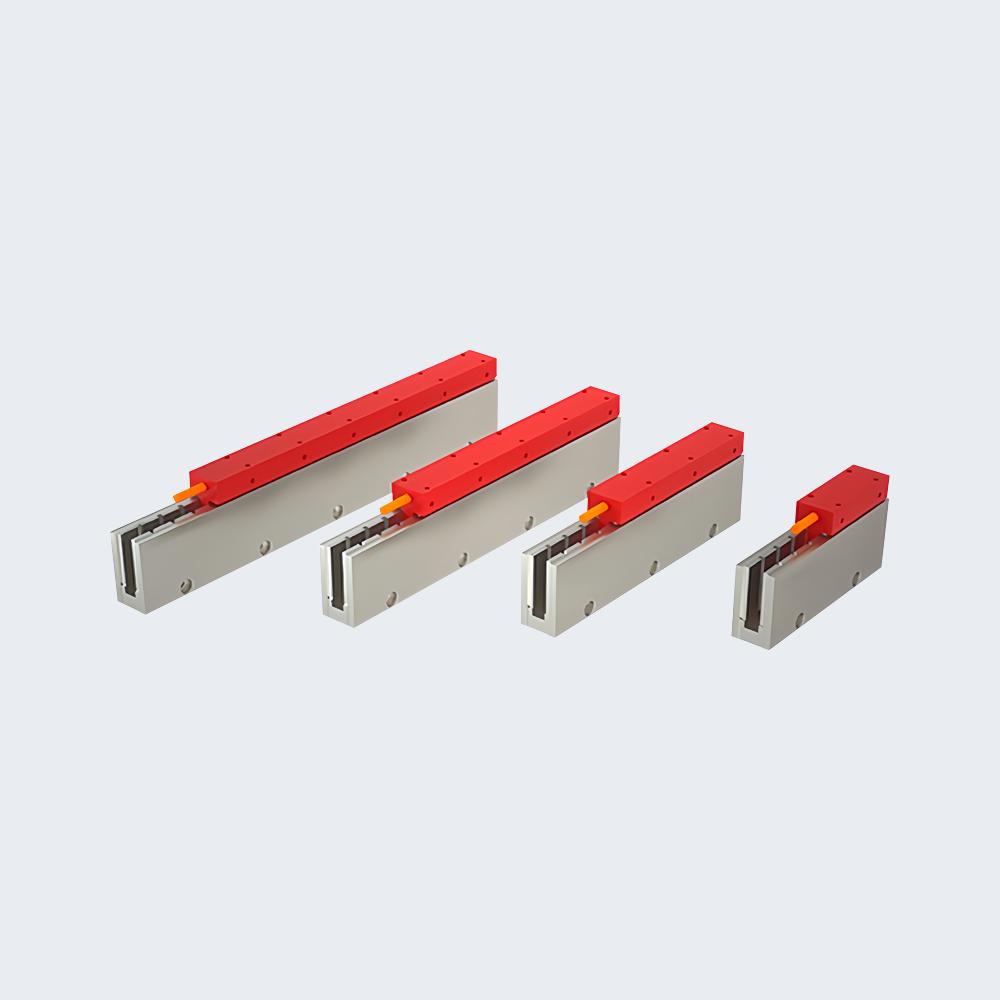
When it comes to precision motion control, selecting a reliable linear motors supplier is one of the most consequential decisions an engineering team can make. Linear motors are at the heart of countless high-performance applications, from semiconductor manufacturing and medical devices to logistics automation and precision machine tools. The quality, reliability, and technical support provided by your supplier directly affect the performance and longevity of your systems. Linear motors produce direct linear motion without mechanical conversion elements such as lead screws or gearboxes, resulting in higher speed, greater positional accuracy, reduced wear, and lower maintenance costs.
Iron-Core vs Ironless Linear Motors: Understanding the Difference
There are two primary categories of linear motors. The iron-core linear motor uses a laminated steel core within the primary winding assembly to generate strong magnetic force, offering high force density suitable for heavy-load applications. The ironless linear motor uses a coreless winding assembly that moves within a magnetic track, eliminating cogging and enabling extremely smooth motion essential in applications requiring ultra-precise positioning and minimal vibration. A reputable linear motors supplier should offer both types, along with associated encoders, drives, and control systems for a complete, compatible motion solution.
Key Specifications: Thrust Force, Speed, and Precision
Thrust force and continuous force ratings are primary specifications when evaluating linear motors. Thrust force determines how much force the motor can exert during peak operation, while continuous force indicates what the motor can sustain over an extended period without overheating. Leading suppliers specify positional accuracy down to micrometers and repeatability within fractions of a micrometer — critical in electronics assembly, laser processing, and biomedical instrumentation. Your supplier should provide detailed force-speed curves and thermal data to help you select the appropriate model for your application.
Thermal Management and Encoder Integration
Thermal management is a key engineering challenge in linear motor design. Motors generate heat during operation and without adequate cooling, performance degrades and component life is shortened. Look for suppliers that incorporate water cooling channels, thermal sensors, and optimized winding configurations to minimize heat generation. The integration of high-resolution linear encoders with the motor system is equally critical, as encoder resolution directly determines positional accuracy. Top-tier suppliers offer integrated encoder options ranging from micrometric to nanometric resolution, supporting applications from general automation to semiconductor lithography.
Application Engineering Support and Delivery Capability
The responsiveness and technical expertise of a linear motors supplier matter as much as the hardware. Motion systems often involve complex interactions between mechanical, electrical, and control subsystems. Suppliers with dedicated application engineers who assist with system modeling, motor sizing, and drive tuning provide substantial value beyond the hardware itself. Delivery capability and inventory management are equally important — suppliers who maintain regional stocking locations and offer accurate delivery commitments help customers manage production schedules effectively, particularly in lean manufacturing environments.
Quality Standards and Long-Term Partnership Value
Compliance with international standards including CE marking and RoHS directives is non-negotiable for many industries, ensuring compatibility with global regulatory requirements. ISO 9001 certification indicates a systematic approach to quality control through design, manufacturing, and testing. Suppliers who invest in research and development, stay current with emerging technologies, and actively collaborate with customers on application challenges are the partners most likely to help you maintain a competitive edge. After-sales support including spare parts availability, repair services, and responsive technical helpdesk access rounds out the relationship.
