
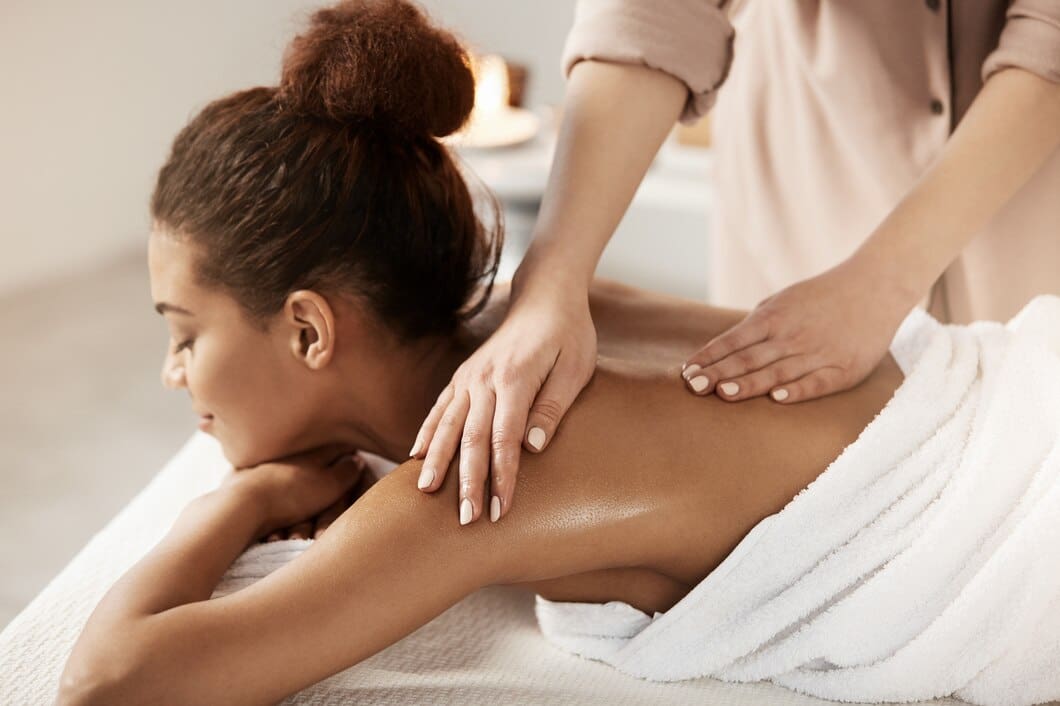
Most people think of massage therapy as a summer luxury — something you treat yourself to after a beach vacation or a long weekend away. But here’s the truth the wellness world doesn’t talk about enough: winter might actually be the best season to get on that massage table.
From stiff muscles battling the cold to a mind weighed down by short, grey days, your body takes a quiet beating every winter. A massage doesn’t just feel good — in these months, it works harder for you than at any other time of year.
Here’s why.
1. Cold Weather Tightens Everything
Step outside on a freezing morning and notice what your body does instinctively — shoulders rise, jaw clenches, back stiffens. This “cold bracing” response is your nervous system’s way of conserving heat, but it comes at a cost. Muscles held in constant low-grade tension accumulate knots, reduce circulation, and leave you feeling stiff and sore even when you haven’t done anything strenuous.
A therapeutic massage directly targets this tension. It warms the muscle tissue, increases blood flow, and signals the nervous system to release that protective grip. After a good session in winter, that deep-seated tightness in your neck and shoulders — the kind you’ve almost forgotten isn’t normal — finally lets go.
2. Your Immune System Could Use a Hand
Winter is cold and flu season, and while massage isn’t a vaccine, research suggests it can give your immune defenses a meaningful boost. Studies have shown that regular massage therapy increases the activity of natural killer cells — the white blood cells your body deploys to fight off viruses and infection.
Massage also reduces cortisol, the stress hormone that, when chronically elevated, actively suppresses immune function. Less cortisol means a stronger, more responsive immune system. Think of a monthly winter massage as one of the smarter additions to your cold-season wellness routine.
3. Seasonal Mood Shifts Are Real — And Massage Helps
Shorter days, less sunlight, and the pressure of the holiday season take a measurable toll on mental health. Seasonal Affective Disorder (SAD) affects millions of people each year, and even those without a clinical diagnosis often experience a noticeable dip in mood and motivation during winter months.
Massage therapy triggers the release of serotonin and dopamine — the brain’s natural mood regulators. It also reduces anxiety by activating the parasympathetic nervous system, pulling you out of the “fight or flight” state that stress keeps you locked in. A single session can shift your mental state noticeably. A consistent practice through winter can be genuinely transformative.
4. You’re Probably Moving Less (And Your Body Feels It)
Winter naturally reduces our activity levels. Outdoor workouts get skipped, weekend hikes disappear, and long evenings on the couch replace evening walks. While rest is valuable, prolonged inactivity leads to sluggish circulation, muscle stiffness, and a general feeling of heaviness in the body.
Massage acts as a form of passive movement therapy. It encourages lymphatic drainage, gets blood circulating to areas that have been sitting still, and keeps the connective tissue flexible. It’s not a replacement for exercise, but during a season when movement naturally decreases, it’s one of the best tools you have to keep your body functioning well.
5. Dry Skin and Circulation — A Winter Double Win
Cold air outside and heated air inside strip moisture from your skin throughout winter. Most people reach for a heavier lotion and leave it at that. But massage, often performed with nourishing oils, does something moisturizer alone can’t — it stimulates circulation beneath the skin’s surface.
Improved blood flow means better nutrient delivery to skin cells and more efficient removal of waste products. The result isn’t just surface hydration — it’s a healthier skin barrier that holds moisture more effectively. Your skin in February will thank you for the sessions you booked in December.
6. Easier to Book, More Affordable, More Relaxing
Here’s a practical bonus: winter is genuinely the off-peak season for many massage therapists and wellness studios. The rush of pre-summer bookings hasn’t hit, holiday gift card holders haven’t all cashed in yet, and therapists often have more appointment availability.
This means you’re more likely to get your preferred time slot, your favourite therapist, and in some cases, better rates or package deals. There’s also something deeply satisfying about walking into a warm, candlelit treatment room when it’s cold and grey outside. The contrast alone makes relaxation come faster.
7. It Sets a Healthy Habit for the Year Ahead
January brings a flood of wellness resolutions, most of which fade by February. But starting a massage routine in winter — even once or twice a month — builds a habit that carries naturally into spring and beyond. You’re not starting from zero when warmer motivation kicks in; you’ve already made it part of your rhythm.
The body responds best to consistent care. Muscles that receive regular massage recover faster, hold less chronic tension, and perform better. Beginning that consistency in winter means you head into the more active spring and summer seasons with a body that’s already in better shape.
The Takeaway
Winter isn’t a season to just survive. It’s actually one of the most strategic times to invest in your physical and mental health — and massage therapy sits right at the center of that investment. From immune support to mood regulation, muscle recovery to skin health, the benefits stack up in a season when your body needs them most.So don’t wait for summer. Book the massage. Your winter self will feel the difference immediately — and your spring self will be glad you started.