
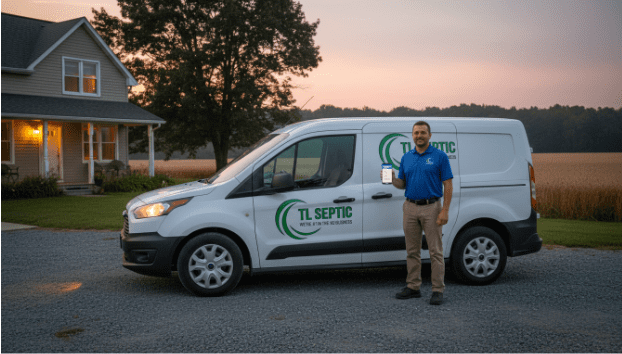
Rural small businesses have long thrived on personal relationships, local reputation, and in-person referrals. Yet in today’s digital era, even locally rooted service contractors are discovering that an online presence is no longer optional. The success story of a Louisiana-based septic service provider, recently featured in the TL Septic story, serves as a beacon of hope, illustrating how small trade businesses are successfully bridging traditional service values with digital accessibility.
The Current State of Website Adoption Among Small Businesses
According to industry surveys, about 73 % of U.S. small businesses had a website in 2023. In the same dataset, another 23.5 % said they plan to build one. These numbers reflect a significant majority—but also leave more than a quarter of businesses without a website. Rural service providers, in particular, may lag due to labor constraints, geography, and lower perceived relevance.

Data from another study indicates that about one-third of small business owners report not having a business website, with 41% relying instead on a social media presence. For many service-oriented firms in rural areas, this gap represents missed opportunities—especially when customers search online for urgent help.
Why Service Contractors Are Increasingly Prioritizing Websites
When a plumbing or septic system backup occurs, time is critical. A homeowner may not know a trusted provider from the neighbourhood next door and often begins with a mobile search. A simple, well-structured website offers:
- Clear contact information and visible service coverage areas
- Concise service descriptions (for example: pumping, inspections, repairs)
- A fast way to request assistance even outside regular business hours
- Educational resources that help customers understand what the service involves and when it’s needed
The featured example in the TL Septic piece emphasises exactly this: making it easier for residents to “just know who can show up and fix the problem” rather than navigating complex industry jargon.
The Operational Benefits of Having a Website
While the upfront cost and time investment are understandable concerns for small businesses, the operational returns can be substantial. A website can reduce time spent on repetitive phone calls, streamline online enquiries, and limit idle travel when scheduling jobs in large rural zones. It also supports emerging consumer behavior: mobile search, map-driven discovery, and on-the-spot decision-making.
For rural contractors operating within a 50-mile radius or more, establishing clear service boundaries online avoids unnecessary travel and keeps crews focused. Educational content on common system problems or maintenance intervals can reduce disruptive emergency call-outs and shift work toward predictable, revenue-generating jobs.
Overcoming Barriers to Digital Adoption
Despite the benefits, many small rural businesses still do not have websites. The reasons often include cost concerns, lack of technical skills, or the belief that a website is irrelevant to the business model. In fact, the survey found that among small businesses without websites, 27% believe their industry is “not relevant” to a web presence.

Some strategies to overcome these barriers include:
- Choosing simple, mobile-friendly website builders with minimal setup cost
- Starting with a basic “digital business card” website and expanding gradually
- Using clear language targeted to the local customer base and service terms that they understand
- Linking the website to other customer-touch platforms, like mapping directories and local review sites
In the case of TL Septic, the rollout of a new website was described as their “first major step toward building a stronger digital presence” after years of word-of-mouth growth. This underscores how even small investments in online visibility can align with long-term community-based strategies.
Looking to the Future
As broadband access expands, mobile device usage deepens, and consumer expectations around service immediacy increase, websites will become more than simply optional—they will become table stakes for small service firms. For rural providers who already emphasise local trust and responsiveness, a website simply adds another front on which to meet customer expectations. By embracing these future trends, rural contractors can position themselves as forward-thinking and strategic.
Contractors who combine traditional values with digital accessibility may find themselves better positioned to serve both long-standing customers and new residents unfamiliar with local networks. The TL Septic example serves as a microcosm of this evolution: a locally trusted provider adapting to the digital age without abandoning the personal touch.