
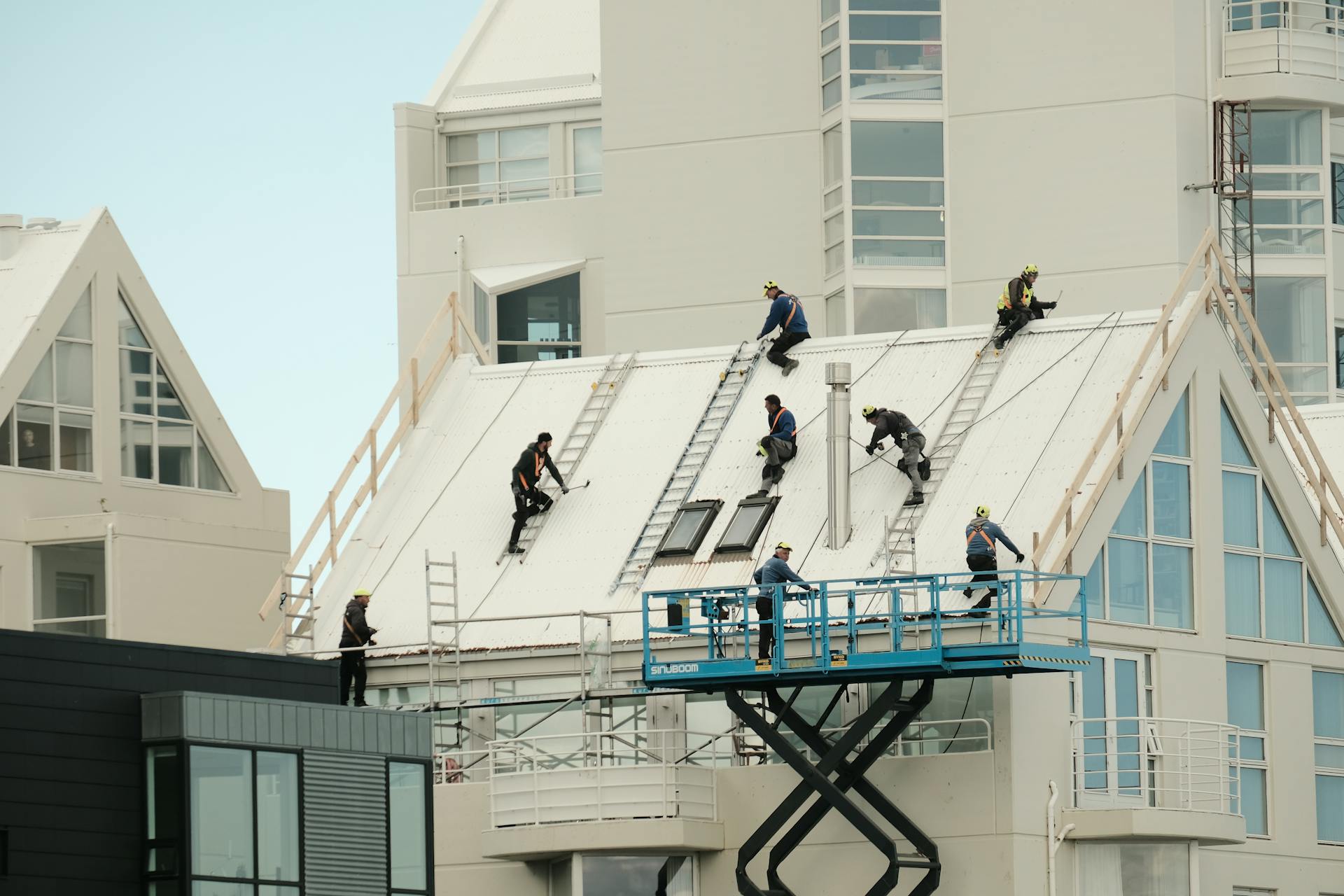
One of the most frequent causes of structural damage related to residential and non-residential buildings is water intrusion. Without proper protection, buildings are vulnerable to water intrusion. Moisture damages building materials, increases maintenance expenses, and leads to premature deterioration. Therefore, the use of waterproofing systems has become crucial for modern construction.
Waterproofing systems are required in order to protect residential and non-residential buildings in case of exposure to extremely high or low temperatures, heavy rains, and increased humidity.
What Is Waterproofing?
Waterproofing systems refer to protective coatings and membranes applied to building surfaces in order to prevent leakage. Such protection helps avoid water penetration, which leads to crack formation, corrosion, and other damage.
Modern waterproofing methods include:
- Waterproof membranes;
- Liquid waterproof coating;
- Cementitious waterproofing systems;
- Polyurethane waterproofing systems;
- Bituminous waterproofing membranes; and
- EPDM waterproof membranes.
All waterproofing methods differ in terms of application, material, and properties.
The Significance of Waterproofing
Poor waterproofing leads to structural damage and deterioration due to water exposure. For example, poor waterproofing may lead to:
- Formation of concrete cracks;
- Formation of mold and mildew;
- Formation of damp surfaces on walls and ceilings;
- Leakage of the roof;
- Corrosion of the structure;
- Surface destruction;
- High expenses required for repair.
Using reliable waterproofing systems can prevent all mentioned problems and improve structural durability.
Modern waterproofing systems are used for roofs and terraces, basements and foundations, bathrooms and wet areas, water tanks and retaining walls, and industrial structures. Waterproofing systems are applied to parking decks and podiums, and concrete structures as well. If you need advanced waterproofing solutions and moisture barriers, contact Organix Building System.
Common Waterproofing Systems
Polyurethane Waterproofing
Polyurethane waterproofing refers to a very flexible liquid membrane system applied to surfaces as waterproof protection. It is suitable for roofing purposes. Polyurethane waterproofing provides reliable protection against UV exposure, moisture intrusion, and thermal stress.
Cementitious Waterproofing
Cementitious waterproofing is mostly applied to surfaces exposed to water or humidity. This waterproofing system is effective for water tanks, basements, wet areas, and concrete surfaces.
EPDM Waterproof Membranes
EPDM waterproofing membranes are durable synthetic rubber membranes, which are widely applied to roofs and other exposed surfaces. They provide reliable protection against weather conditions and moisture.
Bituminous Waterproofing
This waterproofing system is mostly applied to foundations, basements, and roofs in order to provide water resistance using waterproof protection materials.
Factors Influencing the Efficiency of Waterproofing
Several factors influence the long-term efficiency of waterproofing systems. The following aspects should be considered before applying waterproofing membranes and coatings:
- Quality of surface preparation;
- Correct installation of the membrane or coating;
- Environmental conditions;
- UV exposure;
- Structural movements and thermal stress;
- Material compatibility; and
- Inspections and maintenance.
High-quality materials and professional waterproofing installation improve waterproofing performance.
Selection of the Correct Waterproofing Method
Choosing the best waterproofing system requires careful consideration of several aspects such as surface type, water exposure level, environment, structural properties, area of application, and durability. Various waterproofing solutions are required for various surfaces.
Advantages of Advanced Waterproofing Solutions
High-quality waterproofing systems offer many benefits:
- They prevent leakage and seepage.
- Increase structural durability;
- Protect concrete and other building materials;
- Reduce repair expenses;
- Prevent mold development and dampness.
- Provide reliable weather resistance; and
- Improve structural lifespan.
As modern constructions become more complex, there is an increasing demand for waterproofing systems in the construction industry.
Conclusion
Waterproofing is one of the most crucial aspects for protection against water damage and moisture penetration. Application of advanced roof waterproofing and waterproofing systems can significantly improve durability and reduce repair expenses.