
Trailer Risk Is Often Harder To See
Trailers create a unique security problem because they are valuable, mobile, and often disconnected from powered vehicles. A trailer may sit at a job site, yard, storage lot, customer location, or roadside stop for long periods without daily attention. That makes visibility harder and can leave businesses reacting only after a trailer has already moved.
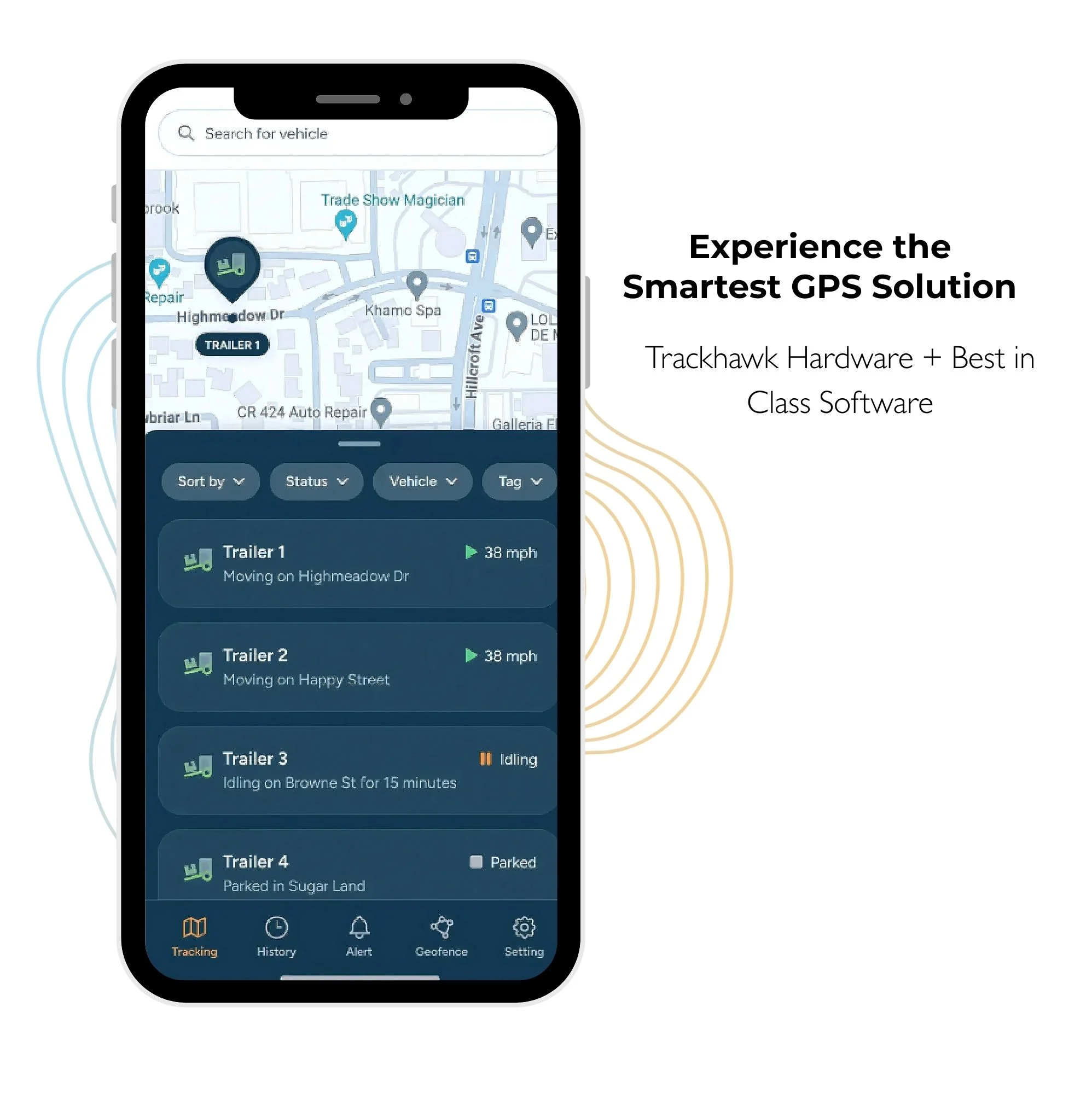
For companies that depend on trailers, the problem is not limited to theft. A missing trailer can disrupt schedules, delay deliveries, complicate insurance documentation, and create uncertainty about who last used the asset. A trailer GPS tracker gives operators a more practical way to monitor trailer movement, location history, and security events before a small issue becomes a larger operational problem.
Why Trailer Tracking Is Different From Vehicle Tracking
Vehicle tracking often benefits from power, regular driver activity, and daily usage patterns. Trailer tracking is different because many trailers are unpowered or parked away from the main fleet. That means the tracking device must fit the asset, not the other way around. Battery life, rugged housing, update frequency, mounting location, and alert settings all matter.
This difference is why trailer tracking should be treated as its own category within asset protection. A tracker designed for a standard vehicle may not be the right fit for a trailer parked in harsh weather or moved only occasionally. Trailer visibility depends on matching the device and monitoring strategy to real trailer behavior.
The Business Case For Trailer Visibility
Better trailer visibility helps companies answer simple but important questions. Where is the trailer now? When did it move? Was it expected to move? Has it left a defined area? Which assets are sitting unused, and which are active? These questions matter for security, utilization, and daily planning.
The value is especially clear for businesses with multiple trailers across different locations. Without reliable visibility, teams may rely on memory, manual checklists, or phone calls. With better tracking, the trailer becomes part of a documented operating system instead of a blind spot in the fleet.
Theft Prevention Signals
Theft prevention often begins with earlier signals. A trailer that moves after hours, leaves a geofence, or shows unexpected activity can be flagged before too much time passes. Location history can help establish the path of movement and support recovery coordination when needed.
These signals do not replace locks, yard procedures, or physical security. They add another layer. For many trailer owners and operators, the strongest protection comes from combining physical deterrents with live location awareness and clear response steps.
Utilization And Accountability Signals
Visibility also supports accountability. A business may discover that certain trailers sit unused while others are overworked. It may also reveal patterns in job site movement, storage habits, or return delays. Those insights can support better scheduling and asset planning.
This is where trailer tracking connects to broader asset management. The same principles used for vehicles can apply to trailers, tools, containers, and other valuable equipment, as long as the system is built around the asset’s real conditions.
How Trailer Tracking Supports Broader Asset Management
Trailer tracking should not sit outside the larger asset protection strategy. Many companies that track trailers also need visibility into equipment, machinery, containers, and other mobile assets. When these assets are managed in separate systems or not tracked at all, operational blind spots remain.
A broader GPS tracking for assets approach can help companies organize more than vehicle movement. It can support a more complete view of valuable property across yards, job sites, routes, and storage areas. For businesses with mixed assets, that connected view is often more useful than treating every asset type as a separate problem.
Choosing The Right Trailer Tracking Setup
A practical trailer tracking setup should consider device placement, battery expectations, weather exposure, update intervals, alert logic, and recovery workflows. The goal is not simply to add a device. The goal is to create a reliable system that matches how the trailer is actually used.
For example, a trailer that moves daily may need different update settings than a trailer that sits for weeks. A trailer stored outdoors may need stronger environmental protection than one stored indoors. A business with multiple yards may need geofences that reflect real operating zones rather than generic map boundaries.
The setup should also account for who will use the system. Yard staff, dispatchers, owners, operations managers, and recovery partners may need different levels of access or different types of alerts. A practical deployment keeps information useful without overwhelming the team with noise.
Where Business Planning Enters The Picture
Trailer tracking can become more valuable when it is connected to a larger business GPS program. A company may start with trailer visibility, then expand into vehicles, equipment, driver behavior, maintenance alerts, or fleet reporting. That progression is common because asset visibility tends to reveal more operational questions over time.
Business planning also helps prevent fragmented buying decisions. A team may start with one urgent trailer problem, then realize that vans, service trucks, containers, tools, and off-road equipment need similar visibility. A connected plan can make that growth easier to manage across assets and departments.
For growing teams, business GPS tracking plans can support that broader planning conversation. Multi-asset operations often need scalable pricing, hardware options, software access, and support that can adapt as the number of tracked assets grows. The right plan should support the way the business actually operates, not force a one-size system onto different asset types.
Avoiding A Trailer-Only View Of Security
Trailer tracking is important, but it should not become the entire security strategy. A trailer may be only one part of a larger asset network. A business may also need vehicle tracking, equipment tracking, geofencing, immobilization, maintenance alerts, and driver behavior insights, depending on the operation.
A broader view also helps leadership set priorities. The trailer with the highest theft risk, the asset with the greatest replacement cost, and the vehicle tied to the most urgent route may not all need the same monitoring pattern.
The stronger approach is to view trailer GPS as one practical layer in a broader visibility system. That keeps the business from solving one problem while leaving other asset risks untouched. It also helps operators create consistent policies across vehicles, trailers, and equipment.
This approach also makes reporting easier. When different assets are tracked with a consistent structure, managers can compare movement patterns, storage practices, and risk events without relying on disconnected notes from separate teams.
Better Visibility Creates Better Decisions
Trailer asset protection starts with knowing where assets are, how they move, and when movement is unexpected. Without that visibility, businesses often respond late and rely on incomplete information. With the right tracking setup, trailer security becomes more proactive and organized.
The most useful systems are clear, practical, and matched to real operating conditions. They support theft prevention, recovery readiness, utilization insight, and better accountability across the business. For companies with valuable trailers, better visibility is not just a technology upgrade. It is a stronger way to manage mobile assets.