

Lab grown diamonds have become one of the most sought-after gemstone choices for people interested in buying or investing in jewellery. But most people buying a lab grown diamond necklace or ring spend the majority of their decision time on the stone. Buyers consider the carat weight, cut, clarity grade, and whether to choose a solitaire or a more detailed setting. The metal gets chosen at the end, almost as an afterthought and a quick decision between yellow gold, white gold, and platinum based on personal colour preference or what looks appealing in the product photograph.
But this is the wrong order. This is why many people who purchase a lab diamond necklace or ring that they genuinely loved in the photograph or showroom often find themselves, six months into wearing it daily, feeling that something is slightly off without being able to identify the cause.
What is off, almost always, is the metal used. It is never the stone or the setting design. Every metal carries a different colour, weight, and finish; the way it interacts with the stone; the way it reads against skin tone; and the way it holds up to the demands of daily wear. Metal choice in a lab created diamond engagement rings or bracelet is not a style decision made after the real decisions are settled. It deserves more attention than it usually gets, as it’s one of the most important decisions in the purchase.
Here is what it actually involves.
Why Metal Affects How the Diamond Looks
The Metal Colour and Diamond Appearance Carry an Optical Relationship
A lab grown diamond is optically responsive to its immediate environment in ways that most buyers do not fully appreciate until they have seen the same stone in different metal settings. The metal surrounding and beneath a diamond reflects light into and through the stone. And the colour of that reflected light changes how the diamond appears to the naked eye in ways that are real, consistent, and significant.
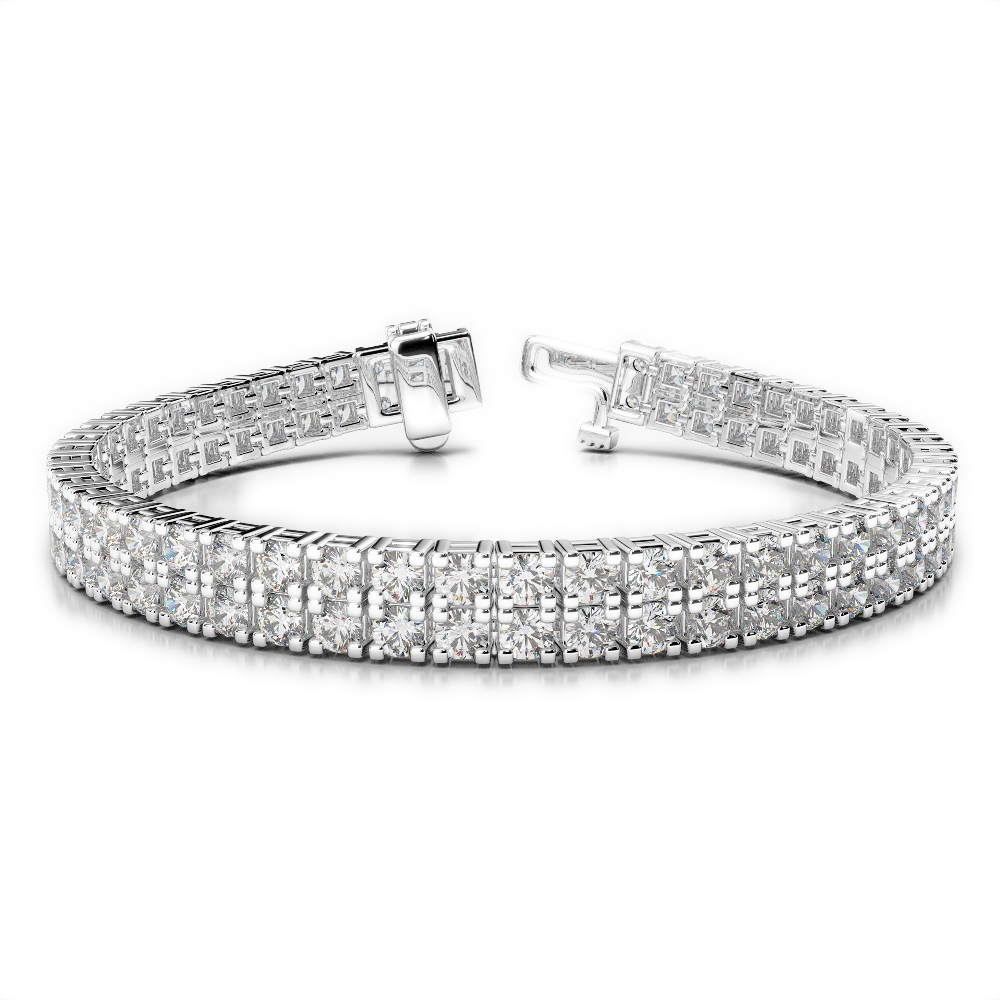
A lab grown diamond set in yellow gold picks up warmth from the metal surrounding it. The yellow reflection entering the stone from beneath adds a subtle warmth to the diamond’s appearance that is most visible in the face-up view. For diamonds at the lower end of the colour scale, such as the G, H, and I colour grades, this warmth can actually be flattering, masking the slight yellow tint of the stone by embedding it within a warm metal context where it reads as richness rather than colour.
A lab grown diamond set in platinum or white gold reflects a cool, neutral light into the stone. This setting maximises the appearance of colourless diamonds falling into the D, E, and F colour grades by allowing them to display their whiteness without any colour contamination from the metal. It is the setting that makes a high-colour-grade diamond look its most impressive, and it is the reason why the highest-quality diamonds are almost always set in platinum rather than yellow gold by jewellers who understand the optical relationship.
What Optical Relationship Means for Choosing the Right Metal for Your Stone
The practical implication of this optical relationship is that the correct metal for a lab diamond bracelet or ring is not independent of the quality of the stone. They are connected, and the best combination accounts for both.
If the lab grown diamond in the necklace is of a high colour grade, such as E, F, or G, then the white metal maximises its appearance by allowing the stone’s colourless quality to be read without interference. A D colour lab grown diamond in yellow gold is acceptable, but it is a slightly misallocated combination, and the premium paid for a high colour grade is partly undone by setting it in a metal that adds warmth to a stone chosen for its lack of warmth.
The Three Metal Options
Yellow Gold
Yellow gold fell out of favour in UK fine jewellery during the era when white metal dominated, roughly from the late 1990s to the mid-2010s. Its return over the last decade is not purely a fashion cycle. It reflects something real about what yellow gold offers in a lab grown diamond necklace that white metals do not.
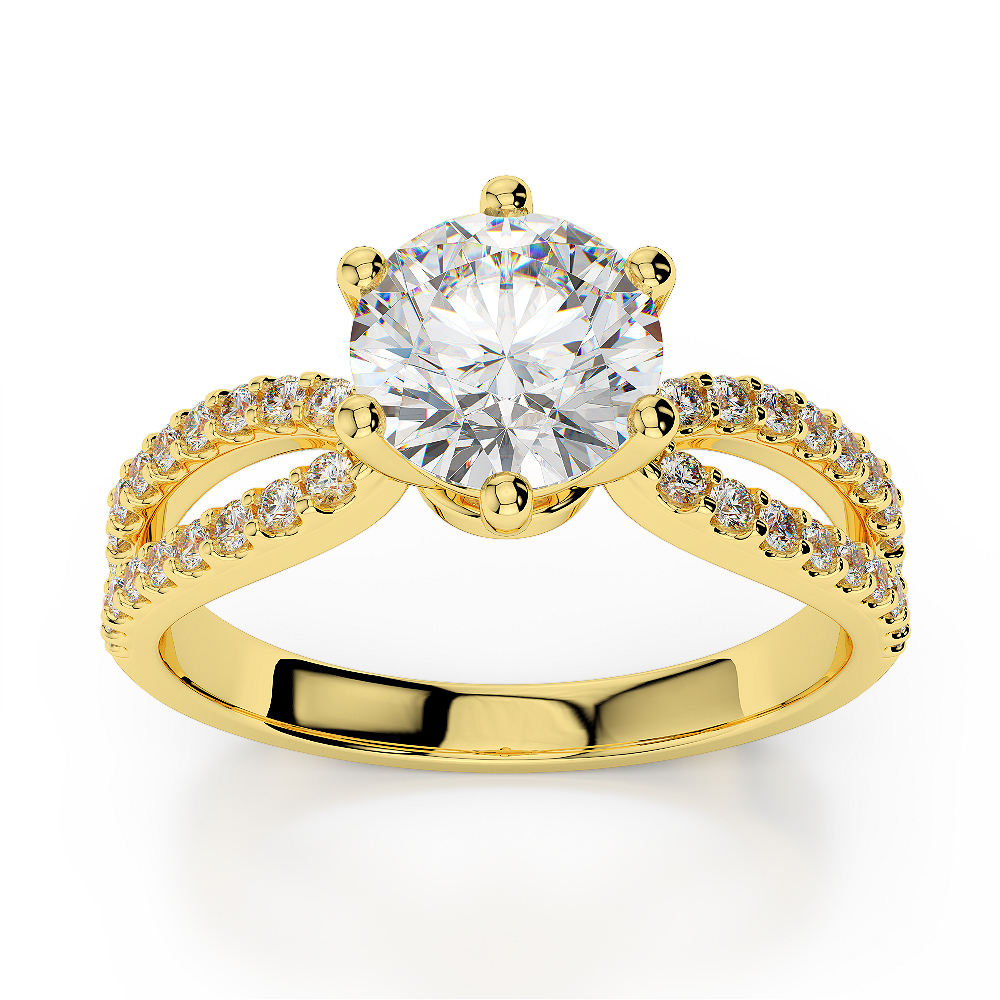
Yellow gold is warm. It reads differently against skin than white metal does. It interacts with skin tone in a way that white metal does not, creating a relationship between the necklace and the person wearing it that white metal’s neutrality avoids. Against darker skin tones, yellow gold creates a richness and warmth that is frequently described as beautiful in a way that white metal against the same skin reads as merely present. Against lighter skin tones, yellow gold creates a warmth that white metal cannot replicate.
White Gold
White gold is the most popular metal for lab grown diamond rings and necklaces in the UK market, and its popularity reflects genuine practical advantages alongside one maintenance consideration that is consistently undersold at the point of purchase.
White gold is yellow gold alloyed with white metals to produce a pale, silver-adjacent colour. The resulting metal is harder than yellow gold, which makes it more scratch-resistant in daily wear. Its neutral colour works with the widest range of skin tones, outfits, and other jewellery. And it is significantly less expensive than platinum while providing a visually similar appearance.
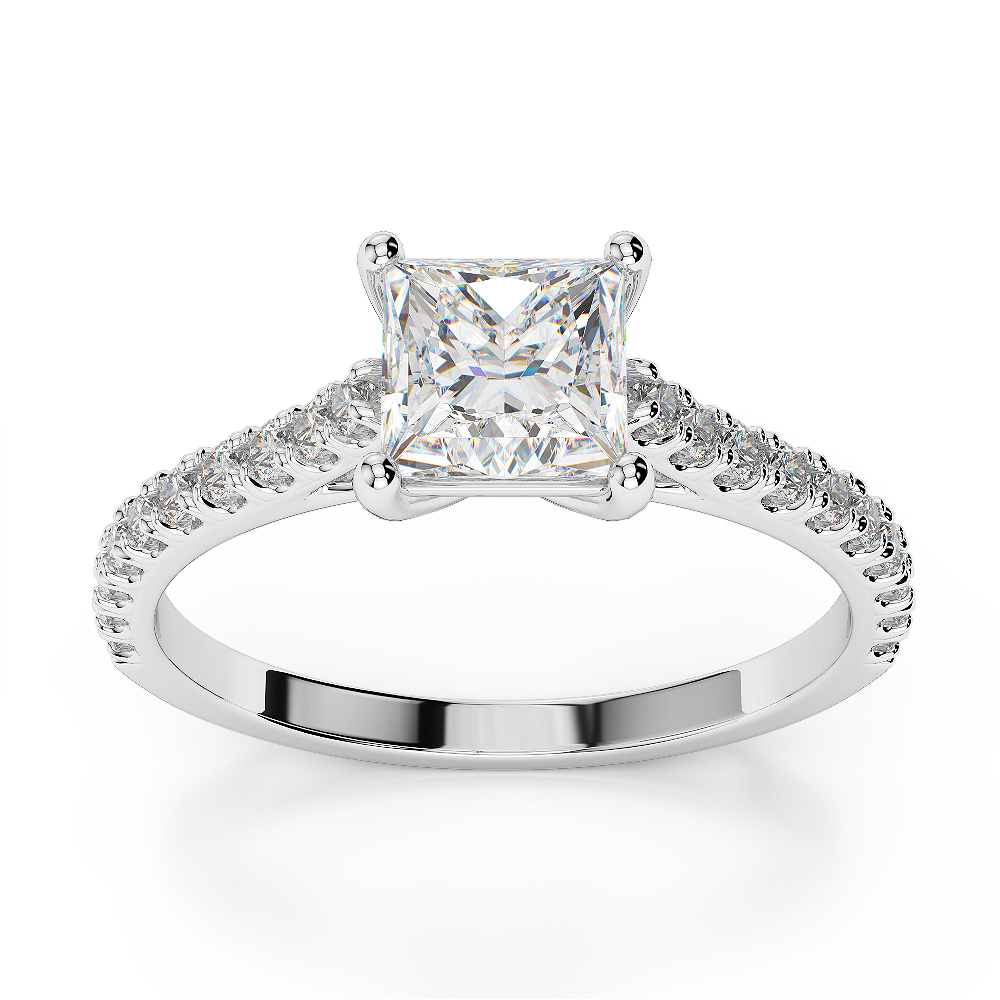
The maintenance consideration is rhodium plating. White gold in its natural state has a slightly warm or somewhat grey tone rather than the crisp white that most buyers expect. To achieve a bright white appearance, white gold jewellery is plated with rhodium, which provides a white, reflective surface. That plating wears away with daily use, typically within one to three years depending on wear intensity, revealing the warmer base metal beneath.
Summing Up
To sum up, the metal plays an invaluable role in creating a look that the customer desires with the lab-grown diamond. If you already have a specific look in mind, it is important to thoroughly understand the colour grade of your diamond as provided by the seller and then choose the metal based on the various factors discussed above.