
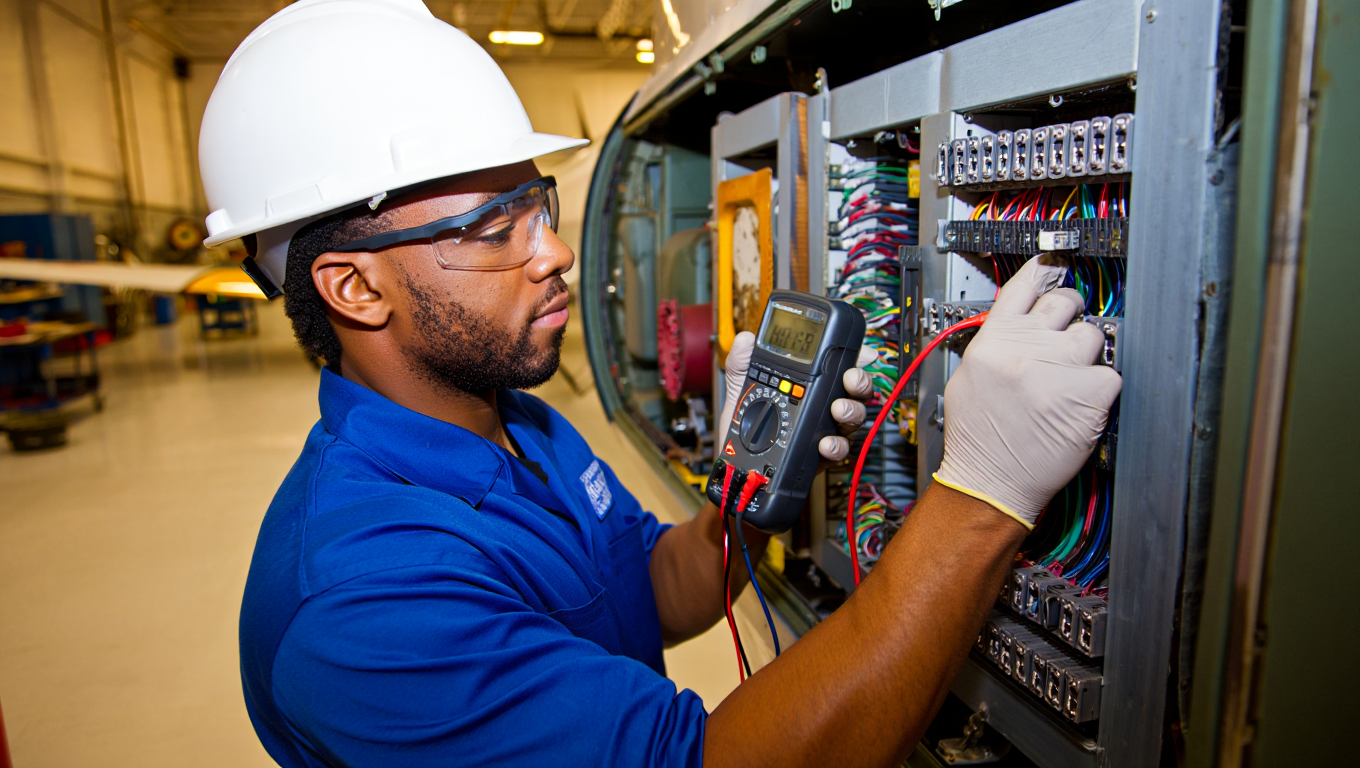
Modern aircraft depend on highly structured electrical networks where every connection plays a role in overall performance and safety. While major systems such as avionics, engines, and flight controls often receive the most attention, smaller electrical components quietly ensure that everything operates as intended.
Among these, terminal blocks in aircraft serve as essential connection hubs that bring order, stability, and accessibility to complex wiring systems. Their role becomes especially important during maintenance and repair activities, where accuracy, speed, and reliability are non-negotiable.
What Are Aircraft Terminal Blocks?
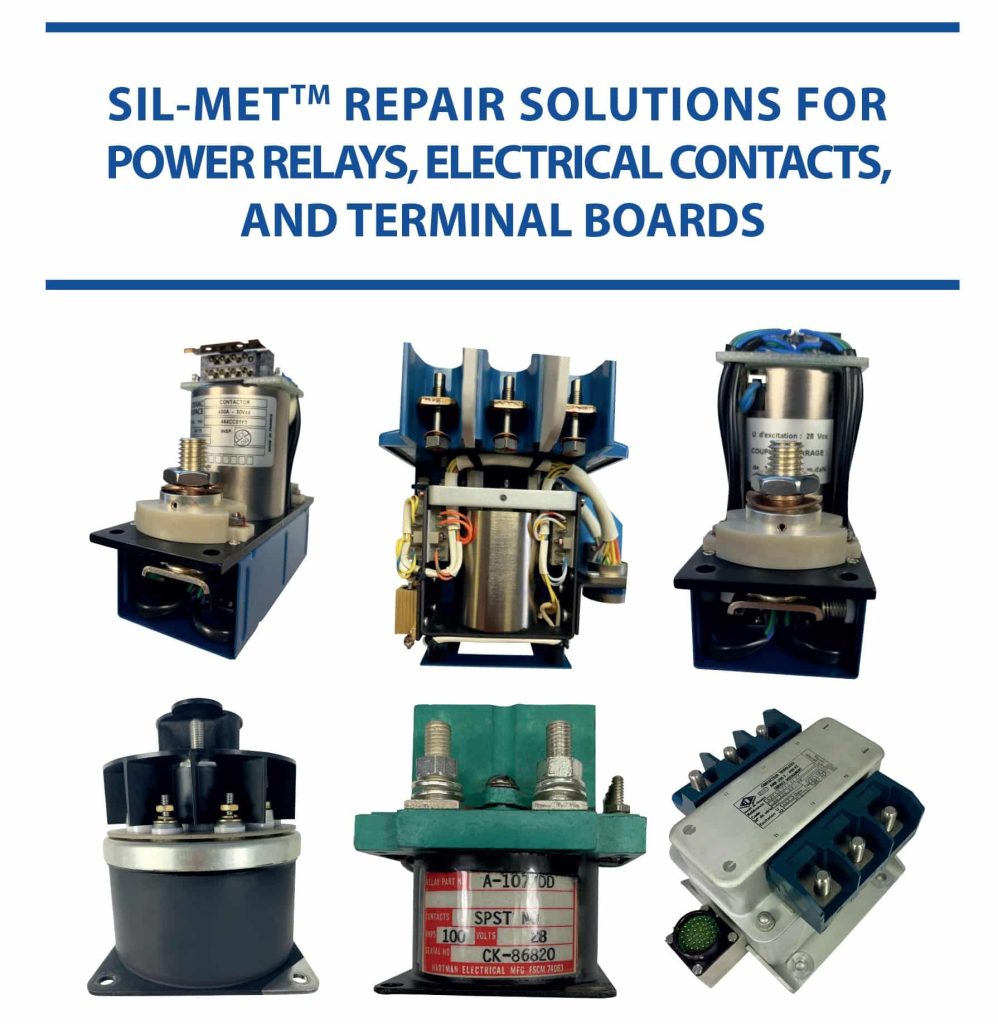
Aircraft terminal blocks are modular electrical components used to connect multiple wires in a secure and organized manner. Instead of twisting or directly joining wires, technicians use terminal blocks to create clean, structured connection points. Each wire is fastened into a dedicated terminal, allowing controlled distribution of electrical current across systems.
In aviation environments, these blocks are designed to withstand vibration, temperature changes, and operational stress. Their primary purpose is simple yet crucial: ensure that electrical connections remain stable, traceable, and easy to manage during both routine checks and complex repairs.
Why Terminal Blocks Matter in Aircraft Maintenance
1. Improves Electrical System Reliability
Stable connections reduce interruptions in power flow. Terminal blocks in aircraft ensure that wiring remains firmly secured, which helps maintain consistent electrical performance across aircraft systems.
2. Simplifies Fault Detection and Troubleshooting
When an electrical issue occurs, organized wiring makes it significantly easier for technicians to trace circuits. Terminal blocks allow quick identification of problem areas without unnecessary dismantling.
3. Reduces Aircraft Downtime During Repairs
Efficient access to wiring connections shortens repair time. Instead of extensive rewiring, technicians can isolate and fix specific sections, helping aircraft return to service faster.
4. Enhances Safety of Electrical Wiring Systems
Secure connections in terminal blocks in aircraft reduce risks such as loose wires, sparking, or short circuits. This directly contributes to safer operation, especially in high-demand flight conditions.
5. Supports Efficient Maintenance Procedures
Clear wiring organization allows maintenance teams to work systematically. It reduces confusion, improves accuracy, and ensures smoother inspection routines.
Role in Efficient Repair Operations
During repair work, time and precision are critical. Aircraft terminal blocks help technicians isolate individual circuits without disturbing the entire system. This modular structure allows faulty sections to be addressed independently, which significantly improves workflow efficiency.
They also support easier component replacement. If a wire or connection point becomes faulty, it can be removed and replaced without affecting surrounding systems. This flexibility reduces complexity and ensures repairs are carried out with minimal disruption. In large aircraft, where wiring networks are extensive, this advantage becomes even more valuable.
Common Issues Found in Terminal Blocks
Corrosion and Oxidation
Exposure to moisture and environmental conditions can gradually weaken metal contacts and reduce conductivity in the terminal blocks of aircraft.
Loose Electrical Connections
Continuous vibration during flight may loosen terminals, leading to unstable electrical flow.
Overheating and Thermal Damage
Excess electrical load or poor contact can generate heat, damaging both the terminal and wiring insulation.
Physical Wear and Mechanical Stress
Long-term operation under vibration and pressure can lead to cracks or structural weakening.
Contamination Build-Up
Dust, oil, and debris can interfere with proper electrical contact and reduce efficiency.
Insulation Degradation
Aging materials in the aircraft terminal block or heat exposure can weaken insulation, increasing electrical risks.
Contact Erosion and Pitting
Repeated electrical cycling can damage contact surfaces, affecting conductivity over time.
Improper Installation or Misalignment
Incorrect fitting during maintenance can result in unstable or unreliable electrical connections.
Maintenance Best Practices for Aircraft Terminal Blocks
Regular Inspection Scheduling
Routine inspections of the terminal blocks in aircraft help detect early wear, damage, or irregularities, preventing minor issues from developing into serious electrical faults.
Cleaning of Terminals and Contact Points
Keeping terminals free from dust, oxidation, and debris ensures stable electrical flow and supports long-term system efficiency.
Tightening and Securing Loose Connections
All connections must remain firmly secured to avoid intermittent signals, overheating, or unexpected electrical interruptions.
Checking for Corrosion and Early Damage Signs
Early identification of corrosion helps maintain conductivity and prevents progressive deterioration of terminal block performance.
Replacing Worn or Damaged Terminal Blocks
Any compromised or aged components in the aircraft terminal blocks should be replaced promptly to maintain safety and ensure uninterrupted system reliability.
Ensuring Proper Wire Routing and Management
Well-organized wiring reduces mechanical strain on terminals and minimizes the risk of stress-related connection failures.
Following Manufacturer and Aviation Standards
Adhering to approved guidelines ensures safe installation, consistent performance, and full compliance with aviation regulatory requirements.
Conclusion
Terminal blocks in aircraft may appear to be small components within an aircraft’s electrical system, but their influence on maintenance efficiency and operational safety is significant. They bring structure to complex wiring networks, simplify troubleshooting, and reduce repair time during critical operations.
When properly maintained, they contribute directly to system reliability and help prevent electrical failures that could disrupt aircraft performance. In aviation maintenance, where precision and uptime are essential, these components quietly support the larger goal of safe and efficient flight operations.
Ensure maximum uptime and safety with precision-engineered aircraft component services. Partner with NAASCO for dependable support and faster turnaround on critical repairs.
Request a quote today!