
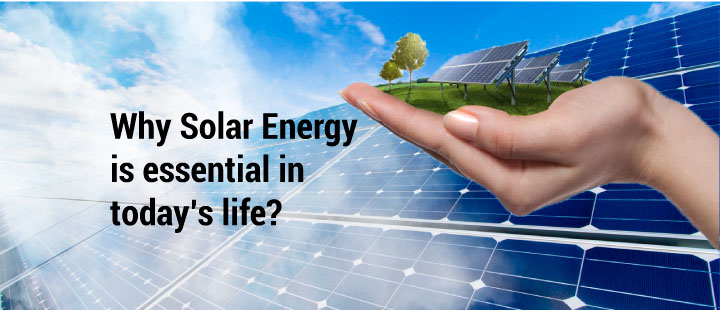
Modern energy consumption is shifting rapidly toward renewable and sustainable sources, as individuals, businesses, and industries look for long-term solutions to rising electricity costs and unstable power supply. In this evolving energy landscape, solar energy storage solutions have emerged as a critical technology that allows users to store excess solar power and use it when needed, rather than relying completely on direct sunlight or grid electricity.
This transformation is not just about adopting solar panels anymore. It is about building complete energy independence systems that ensure continuous power availability, even during nighttime, cloudy weather, or grid failures. As energy demand continues to rise globally, storage technology has become just as important as solar generation itself.
How Energy Storage Is Transforming the Solar Power Industry
The solar industry has grown significantly over the past decade, but one major challenge has always been inconsistency in energy production. Solar panels generate electricity only when sunlight is available, which creates a gap between production and actual consumption.
Energy storage systems solve this issue by capturing excess energy during peak sunlight hours and storing it for later use. This ensures that power is available even when solar generation is not active, making renewable energy far more reliable and practical for everyday usage.
Why Traditional Energy Systems Are Becoming Less Reliable
Conventional electricity systems rely heavily on centralized grids, which are often affected by overload, transmission losses, and unexpected outages. In many regions, power interruptions and rising electricity costs have become a common issue, pushing users to explore alternative solutions.
Unlike traditional systems, solar storage setups provide decentralized energy control, allowing users to generate and manage their own electricity. This reduces dependency on external supply and improves long-term energy stability.
The Role of Battery Storage in Modern Solar Systems
Battery storage is the core component of any solar energy storage system. It acts as a reservoir that holds excess energy generated during the day and releases it when required. This creates a balanced energy flow that supports continuous usage without interruption.
Modern battery technologies are becoming more efficient, offering higher storage capacity, faster charging cycles, and longer lifespan. This makes solar systems more practical for both residential and commercial applications.
Key Benefits of Solar Energy Storage Solutions
- Continuous power availability even without sunlight
- Reduced dependency on unstable grid electricity
- Lower electricity bills through optimized energy usage
- Better utilization of renewable solar energy
- Increased energy independence for homes and businesses
These advantages make solar storage systems a powerful solution for modern energy challenges, especially in regions with frequent power fluctuations.
How Businesses Are Adopting Solar Storage Systems
Commercial and industrial sectors are increasingly adopting solar energy storage systems to reduce operational costs and ensure uninterrupted productivity. Businesses that rely on continuous electricity, such as manufacturing units, IT companies, and retail operations, benefit greatly from stable backup energy.
By integrating storage systems, businesses can reduce downtime, improve energy efficiency, and maintain operations even during grid failures, which directly impacts productivity and profitability.
Common Challenges in Solar Energy Adoption
Despite its benefits, solar energy adoption still faces some challenges. One of the most common issues is high initial installation cost, which can discourage small users from switching to renewable systems.
Another challenge is proper system design and maintenance. Without correct configuration, energy storage systems may not deliver optimal performance, leading to reduced efficiency and underutilization of stored power.
Future of Solar Energy Storage Technology
The future of solar storage is moving toward smarter, more efficient, and AI-integrated systems. Advanced battery technologies will offer higher storage capacity in smaller sizes, while intelligent energy management systems will optimize usage automatically based on demand patterns.
We can also expect better integration with smart homes and industrial automation systems, where energy flow is managed in real time without manual control, making renewable energy more accessible and practical for everyday use.
Conclusion
Solar energy is no longer just an alternative power source; it has become a central part of modern energy strategy. However, its true potential is unlocked only when combined with efficient storage systems that ensure continuous and reliable energy supply.
solar energy storage solutions are playing a crucial role in this transformation by bridging the gap between energy production and consumption. As the world moves toward sustainability and energy independence, these systems will continue to shape the future of clean and reliable power infrastructure.