

Heat pumps are usually sold on their efficiency numbers — a high COP, strong seasonal performance, low running costs. What often gets left out of that conversation is that maintenance affects a lot more than the electricity bill. Skip it for long enough, and efficiency is just the first thing that starts to slip.
What’s at Stake When Maintenance Gets Skipped
1. Efficiency doesn’t maintain itself. Dust buildup on filters and coils forces the system to work harder to move the same amount of heat — pulling more electricity for the same result.
2. Refrigerant leaks are invisible without testing. Small leaks are common and rarely produce any visible symptoms, but even a modest drop in refrigerant charge can meaningfully cut a system’s real-world COP.
3. Air quality depends on clean coils and filters. A neglected system can become a buildup point for dust, mold, and other allergens, which then get circulated through the space it’s meant to be cooling or heating.
4. Warranty coverage often depends on it. Many manufacturers require documented maintenance to keep a warranty valid. Skipping service doesn’t just risk performance — it can leave a system unprotected when something actually breaks.
5. Components wear out faster under strain. A compressor working harder than it should, day after day, has a shorter useful life than one operating under proper conditions.
6. Bills creep up before anyone notices. Because the decline is gradual, rising electricity costs are easy to miss until they’ve become a real line-item problem.
Serviceability Starts With the Equipment Itself
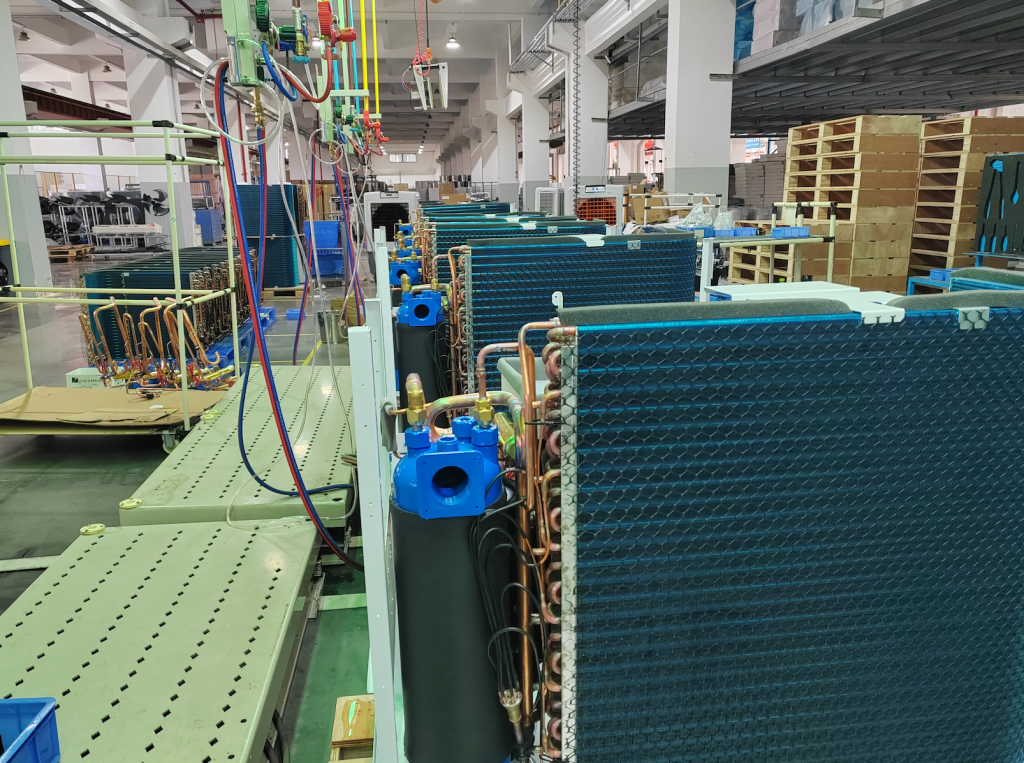
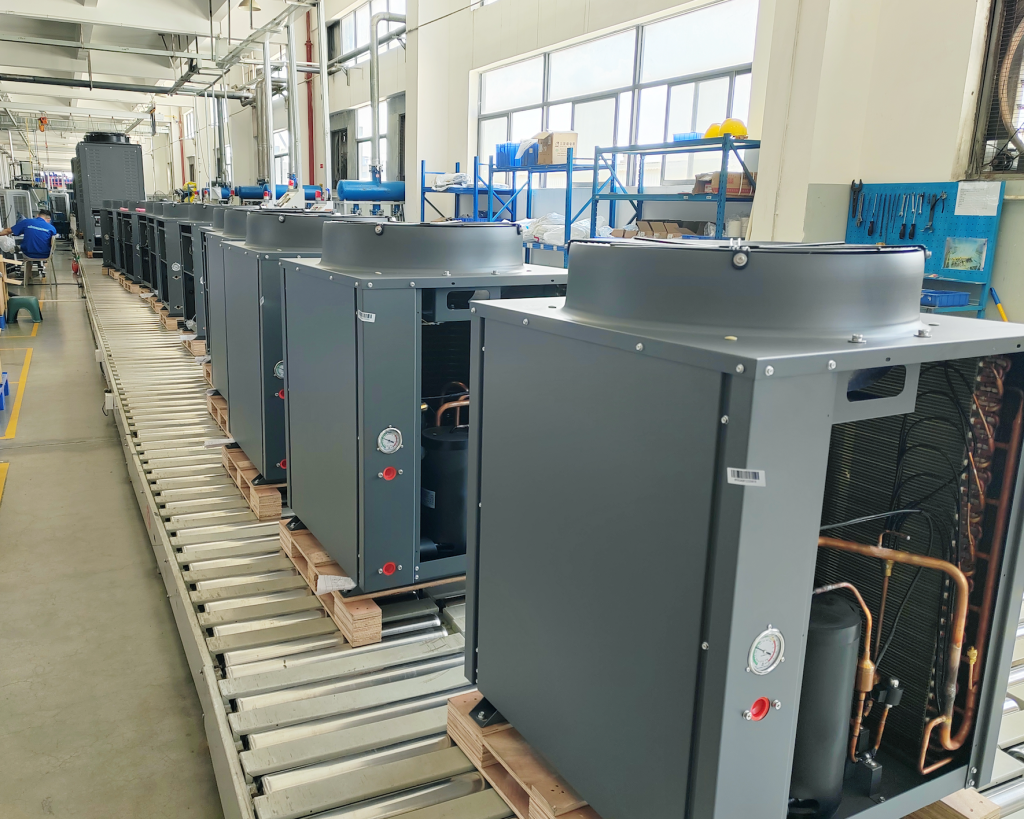
Maintenance habits matter, but equipment design plays a role too. Systems built with accessible service panels, standardized components, and clear diagnostic indicators are considerably easier — and cheaper — to maintain over a 10-15 year lifespan than systems that weren’t designed with servicing in mind. Manufacturers supplying the commercial and OEM market, such as Airproz, tend to build with this in mind by necessity: the distributors and installers reselling their equipment are the ones who have to keep it running for end customers long after the sale is complete.
The Bottom Line
A heat pump’s rated efficiency is a starting point, not a permanent guarantee. What actually determines whether that number holds up over a decade or more of real-world use is a maintenance routine that doesn’t get skipped just because nothing seems obviously wrong yet. For buyers comparing systems before a purchase, this guide to heat pump lifespan and maintenance covers the signs worth watching for — before a small issue becomes an expensive one.