
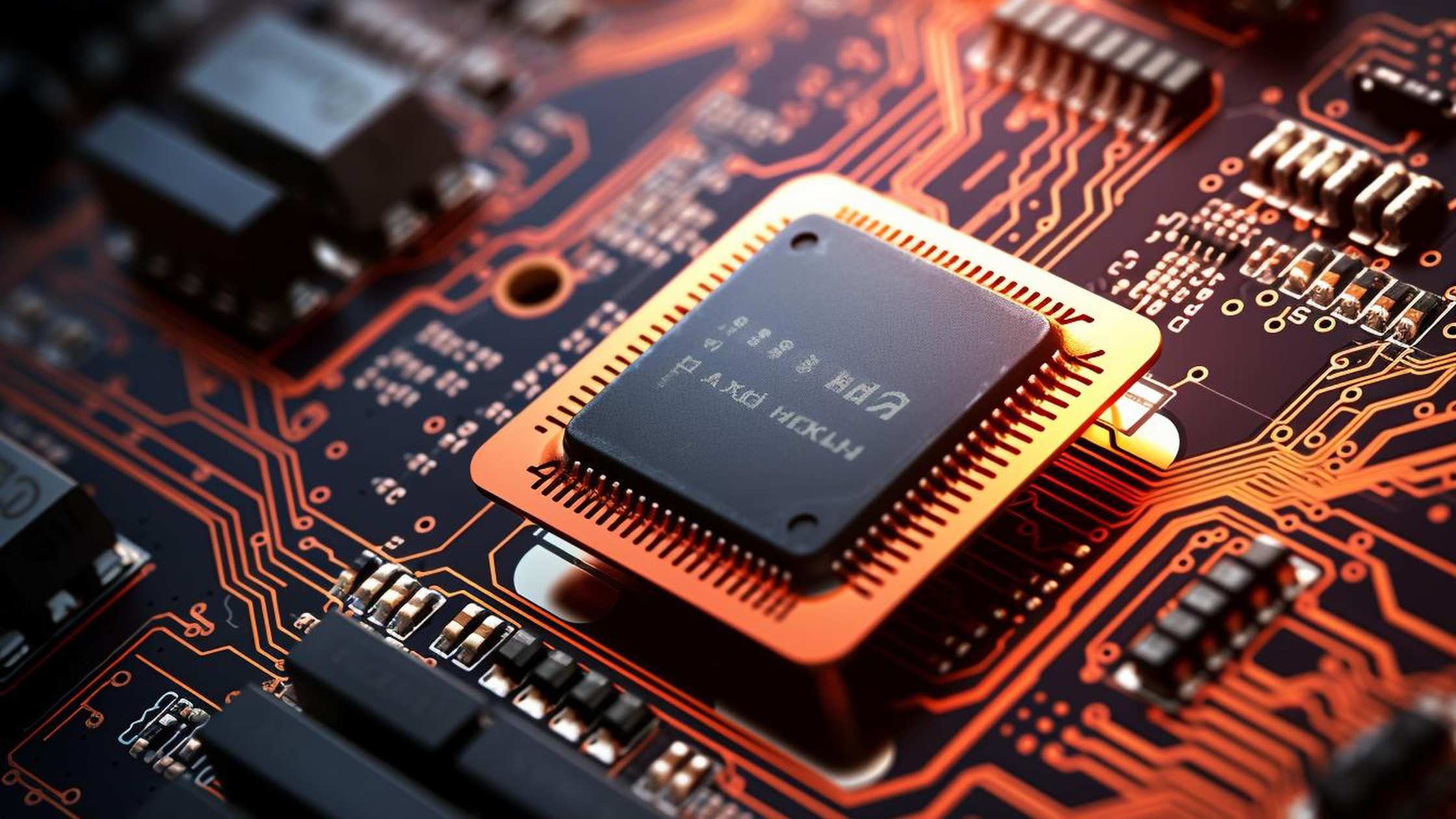
The semiconductor industry is no longer a niche domain; it has become the backbone of almost every modern technology, from smartphones and electric vehicles to AI systems and data centers. As chip complexity increases, one role that continues to see a sharp rise in demand is VLSI Physical Design.
For fresh graduates and early-career engineers, this shift presents a strong opportunity. But what exactly is driving this demand, and why are companies actively hiring physical design engineers?
Let’s break it down.
The Growing Demand for Advanced Chips
Over the last few years, industries like artificial intelligence, 5G, automotive electronics, and IoT have pushed chipmakers to design faster, smaller, and more power-efficient integrated circuits.
This complexity doesn’t just affect design at a conceptual level, it heavily impacts how circuits are physically implemented on silicon. That’s where physical design engineers come in. They are responsible for turning logical designs into manufacturable layouts while ensuring performance, power, and area targets are met.
As technology nodes shrink (like 7nm, 5nm, and beyond), the challenges in layout, routing, and timing closure increase significantly. Naturally, companies need more skilled professionals who can handle these complexities.
Why Physical Design Skills Are in High Demand
1. Increasing Complexity of Chip Design
Modern chips contain billions of transistors. Managing placement, clock distribution, and routing at this scale requires specialized expertise that only trained physical design engineers can provide.
2. Shortage of Skilled Professionals
While many graduates study electronics, only a small percentage have hands-on exposure to backend design tools and flows. This creates a gap between academic knowledge and industry requirements.
Because of this, many freshers are now opting for structured physical design training designed for freshers to gain practical skills that align with what companies expect.
3. Strong Hiring Across Semiconductor Hubs
Cities like Bangalore, Hyderabad have become major semiconductor hubs in India. Global companies and design service firms are actively expanding their teams, especially in backend design roles.
To tap into these opportunities, candidates often look for location-specific programs such as
physical design course with placements that provide both technical training and industry exposure.
4. Tool-Driven, Skill-Based Role
Unlike some domains that rely heavily on theoretical knowledge, physical design is largely practical. Engineers work extensively with industry tools like:
- Synopsys ICC2
- Cadence Innovus
- PrimeTime
This makes it easier for candidates who focus on skill-building to stand out, even without prior job experience.
The Role of Practical Learning in Breaking Into the Industry
One common challenge freshers face is the lack of real-world exposure. Knowing concepts alone isn’t enough; recruiters expect candidates to understand how designs are implemented in actual chip development environments.
This is why a job-oriented physical design training approach is becoming increasingly popular. Instead of focusing only on theory, such programs emphasize:
- End-to-end design flow understanding
- Hands-on tool usage
- Real-time project work
Additionally, gaining experience through a physical design internship can further strengthen a candidate’s profile by providing exposure to real design challenges and workflows.
Why Companies Value Physical Design Engineers
From a company’s perspective, physical design engineers directly impact:
- Chip performance
- Power efficiency
- Manufacturing success
A small mistake in layout or timing can lead to costly redesigns. As a result, companies prioritize hiring engineers who can confidently handle these responsibilities.
This also explains why professionals in this domain often see steady career growth and competitive salaries compared to many other entry-level roles.
Career Opportunities and Growth
Once you enter the field, there are multiple career paths available:
- Physical Design Engineer
- Backend Design Engineer
- STA Engineer
- Physical Verification Engineer
With experience, engineers can move into full-chip design, sign-off roles, or even specialize in advanced areas like low-power design and high-performance computing chips.
Final Thoughts
The demand for physical design engineers is not a temporary trend, it’s a direct result of how rapidly the semiconductor industry is evolving. As chips become more complex, the need for skilled professionals who can handle real-world implementation challenges will only continue to grow.
For freshers and aspiring engineers, this is a great time to enter the field. The key is to focus on practical learning, build hands-on experience, and stay aligned with industry requirements.
With the right approach, whether through self-learning, projects, or structured training, building a career in VLSI physical design is both achievable and rewarding.