
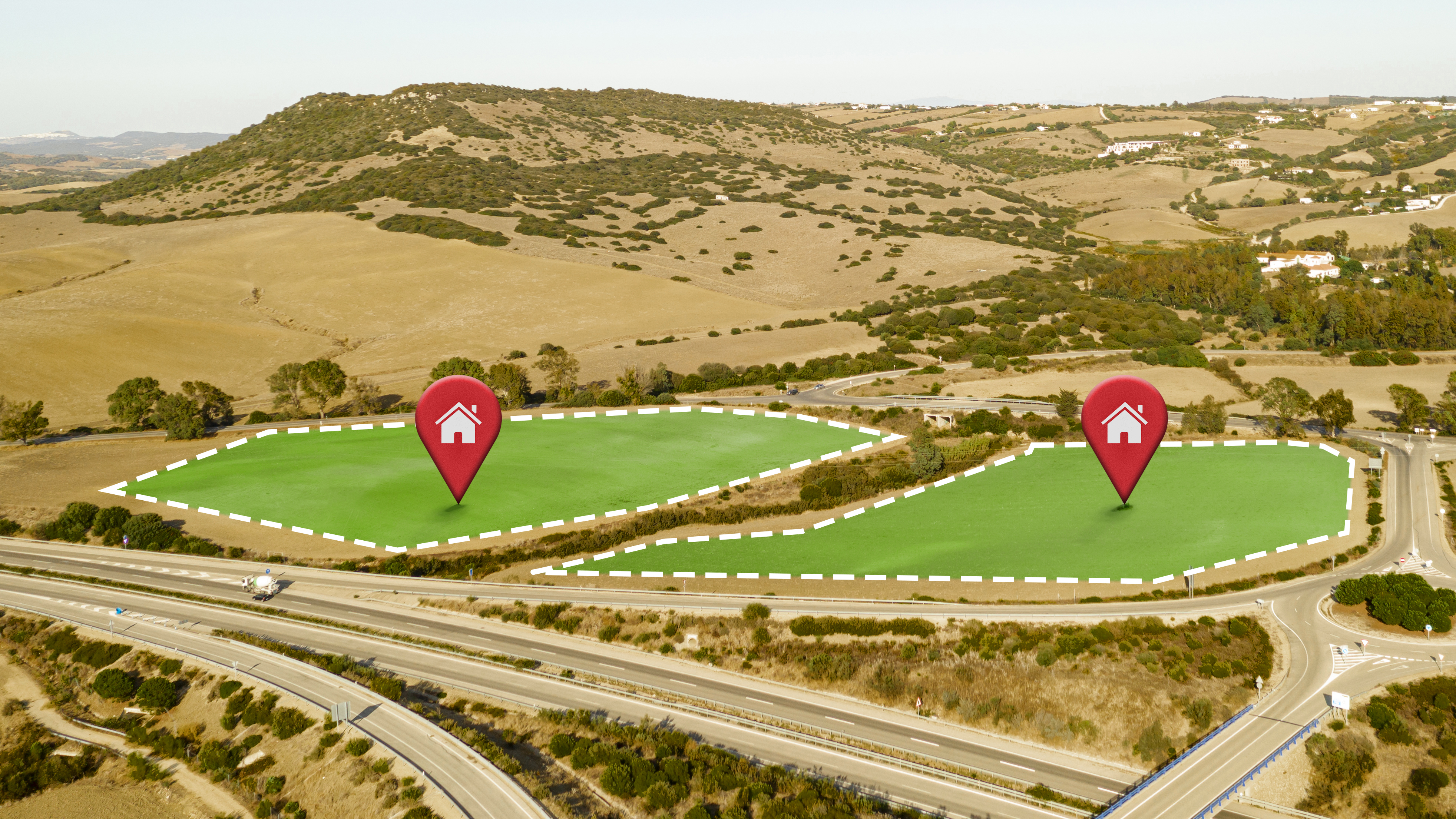
There is a particular moment in a property owner’s thinking when the block they already own starts to look different. Not the house on it. The land itself. The question is simple: what if this site could do more than it currently does?
For a growing number of Australians, the answer is reshaping how they think about property investment entirely.
The Case for Extracting More From What You Have
Buying a second investment property involves a second purchase price, a second set of transaction costs, and often a second mortgage application assessed against tightening lending criteria. It requires finding, evaluating, and committing to an entirely separate asset in a market that may or may not offer good timing.
Using existing land differently sidesteps several of those hurdles. The site is already owned. The location is already known. The due diligence on the street, the council zone, and the neighbourhood has already been done simply by virtue of having lived there or held the property for some time.
A dual occupancy development allows the existing asset to generate a return that a single dwelling cannot. The second dwelling on the same title produces either rental income or a saleable asset, depending on the structure chosen, without requiring a new property acquisition.
What the Numbers Actually Look Like
The financial logic is compelling when examined honestly. Construction costs for a secondary dwelling are generally lower per square metre than for equivalent standalone new builds, partly because infrastructure connections, site access, and, in many cases, driveway and boundary work can be shared or simplified.
The resulting income stream, if the second dwelling is retained and rented, meaningfully changes the site’s return profile. Two rental incomes from one land purchase can produce yields that a single tenancy at the same address could never approach. And because the land component is shared, the cost base for the second dwelling is effectively subsidised by the purchase price already paid.
The Planning Context That Is Shifting
This kind of development was once restricted to larger blocks in specific zones, and in many areas, it still carries planning requirements that need careful navigation. But the regulatory environment across most Australian states has been moving in a direction that makes secondary dwellings easier to approve, build, and, in some cases, sell separately.
The shift reflects a broader policy recognition that adding density to established suburbs through infill development produces better urban outcomes than continued fringe expansion. A well-designed dual occupancy on an existing residential block contributes to housing supply without requiring new infrastructure, new roads, or new services.
Why Early Movers Have an Advantage
Owners who understand this opportunity before it becomes common knowledge in their local market have an advantage that is difficult to replicate later. As planning changes flow through and more homeowners recognise the potential of their existing land, competition for well-located blocks suited to secondary development will increase.
The block that is starting to do the work of two properties is not a hypothetical future scenario. For prepared owners in the right locations, it is now available.