
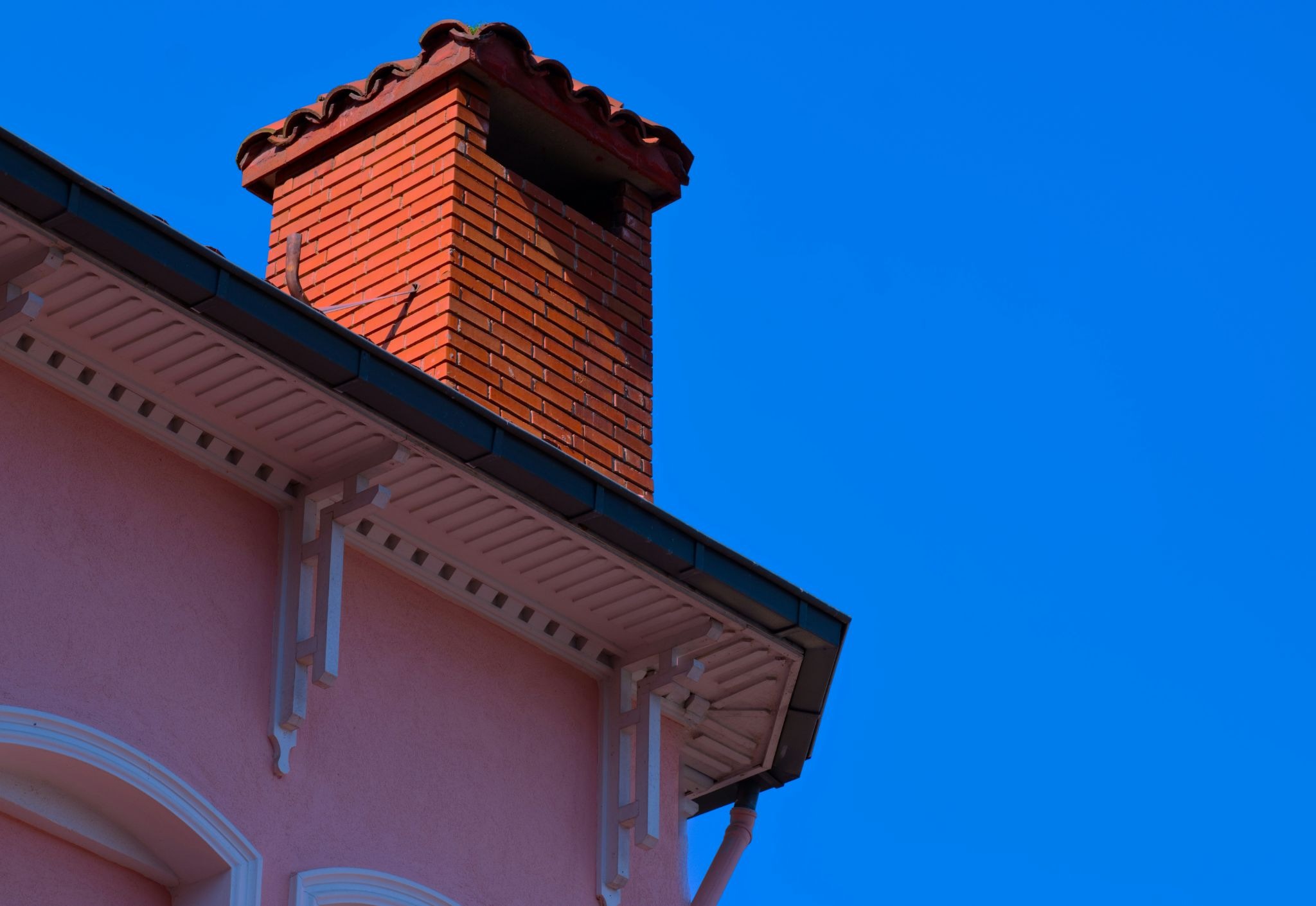
For most homeowners, chimneys are easy to overlook. They are often associated with fireplaces, seasonal use, or even aesthetics. In many cases, they are not thought of at all.
Yet in millions of homes, chimneys serve a far more critical role. They are part of a hidden infrastructure system responsible for venting combustion gases from heating appliances, including substances that can be dangerous when not properly managed.
The challenge, according to industry professionals, is not just maintenance. It is awareness.
“The biggest misconception is that many people do not even realize they have a chimney,” says Joe Ochal, founder of Chimney Scientists. “If you live in a home that is more than 30 years old and it uses natural gas, oil, or propane, there is a very high chance that you have a chimney system venting those gases. It is not just about fireplaces.”
This lack of awareness can lead to long periods of neglect. Unlike roofs or other visible parts of a home, chimneys tend to deteriorate out of sight. Over time, small structural issues can develop into more serious problems without any obvious warning signs.
“What we find is that about two out of three chimneys we inspect in the Philadelphia region that have not been maintained are leaking small amounts of carbon monoxide,” Ochal explains. “Typically in the range of five to ten parts per million. That is not enough to trigger a carbon monoxide detector, but it is enough over time to cause symptoms like fatigue, headaches, and irritability. Most people have no idea that it is happening.”
The issue is not limited to aging infrastructure. It is also tied to how chimney work is approached across the industry. Standards for training and quality control can vary widely, and much of the work is learned through experience rather than structured systems.
Ochal believes this is where the biggest gap exists.
“In this industry, quality control is the single most important factor that separates an average contractor from an excellent one,” he says. “Most companies are reactive. A problem happens, and then they deal with it. We built systems that are proactive.”
That approach begins before any work is performed. According to Ochal, communication with the homeowner is part of the process, not an afterthought.
“The day before we arrive, a quality control coordinator reaches out to the homeowner and asks detailed questions. Where should we park, are there pets in the home, are there valuables near the fireplace that need extra care. That information is attached to the job so the crew is aligned before they step through the door.”
The process continues during and after the work itself. Installers document their progress with internal photos of the chimney, which are reviewed in real time by a quality control manager. At the end of the job, both the crew and the homeowner complete a checklist confirming that the work meets specific standards, including cleanliness and safety.
“There is accountability at every step,” Ochal says. “If something is missed, we know exactly where the breakdown happened and we fix it.”
While operational systems play a role, Ochal points to another factor that shapes how chimney work is performed. His background in microbiology has influenced how he views the systems inside a home.
“Chimneys are scientific systems whether people realize it or not,” he says. “You are dealing with airflow, combustion, and material compatibility all at the same time. If you do not understand those things, you are guessing.”
That perspective becomes especially important when working with older homes, where materials and construction methods differ from modern standards. In some cases, repairs that appear correct on the surface can create long term issues if the materials used are not compatible with the original structure.
“In science, you are isolating variables and trying to understand what is actually causing a result,” Ochal explains. “That is exactly what we do in chimney diagnostics. There are thousands of different configurations, and no two systems are exactly the same.”
This complexity is reflected in how inspections are conducted. A thorough evaluation may involve multiple tools and methods, depending on the issue being investigated.
“If we are looking at a leak, we might use a thermal imaging camera, a drone inspection, and an internal camera to see what is happening inside the structure,” Ochal says. “We also evaluate the materials to make sure they are compatible with the original construction.”
When assessing functionality, the focus shifts to airflow and safety.
“We run draft tests, measure carbon monoxide levels, and evaluate whether the chimney is properly sized for the appliances connected to it,” he explains. “If the system is not sized correctly, it can lead to backdrafting, which means those gases are not leaving the home the way they should.”
For Ochal, the goal is not just to fix isolated issues, but to understand how the entire system operates.
“It is about looking at the whole picture,” he says. “The chimney is not just a structure. It is part of a larger system that is constantly in use, even when you are not thinking about it.”
As housing stock continues to age across many parts of the United States, the importance of that system is becoming more relevant. Chimneys, like roofs, have a lifespan. But unlike roofs, they often go decades without inspection or maintenance.
The result is a growing gap between how these systems are expected to function and their actual condition.
Closing that gap, Ochal suggests, begins with a shift in perspective.
“People do not need to become experts,” he says. “They just need to understand that this system exists and that it requires attention over time. Once that awareness is there, everything else becomes easier to address.”
In the meantime, the systems behind the walls continue to operate quietly. For most homeowners, they remain out of sight and out of mind, until something brings them back into focus.
