
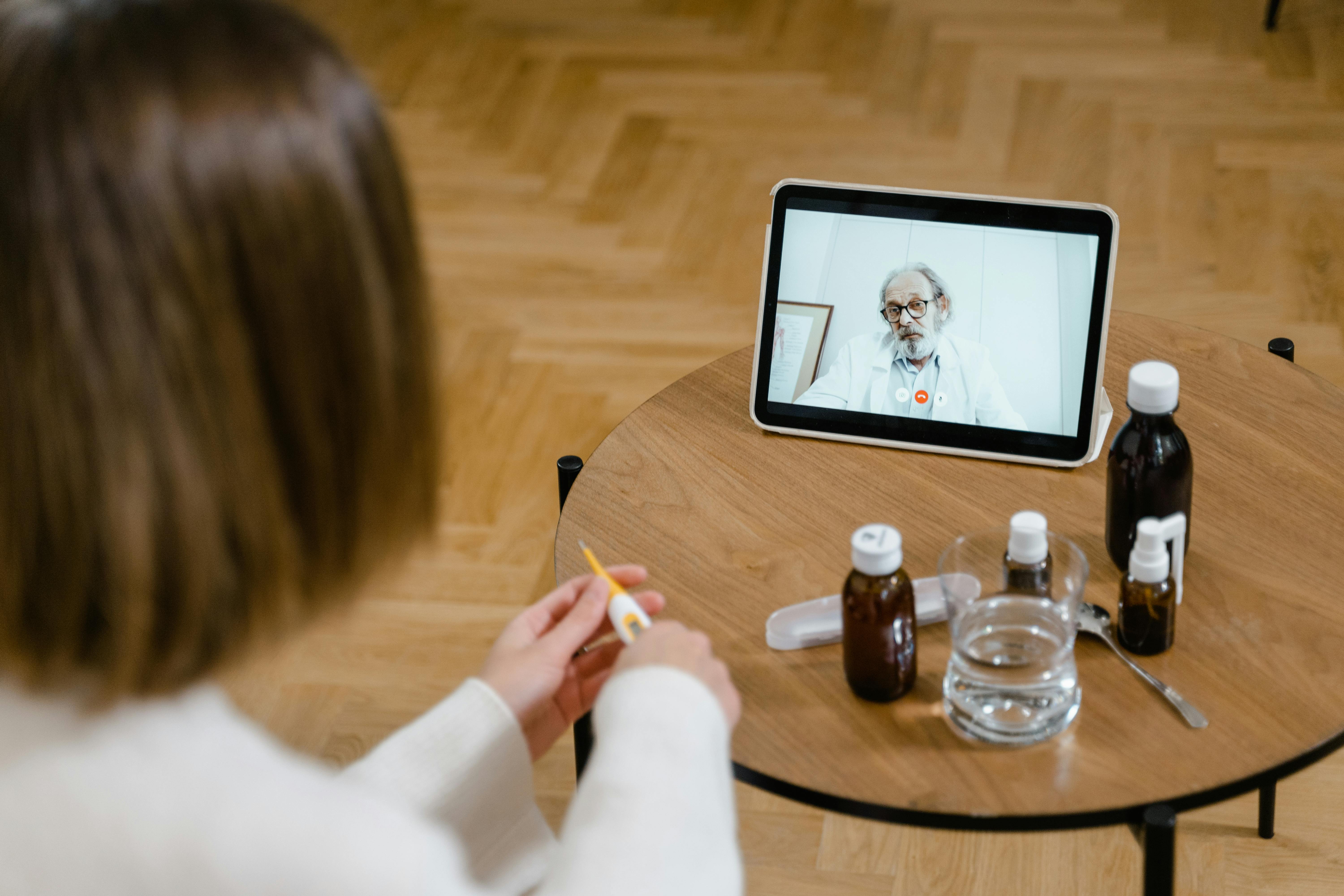
Migraine care has changed significantly over the past few years. What once required scheduling appointments weeks in advance, sitting in waiting rooms, and dealing with bright clinic lights now often happens from the comfort of home. As telehealth becomes more widely accepted, many migraine sufferers are turning to online medical care to manage a condition that already disrupts daily life. This shift is not just about technology. It reflects changing patient expectations around access, convenience, and personalized care.
Faster Access to Specialized Migraine Care
One of the main reasons patients gravitate toward online migraine treatment is speed. Migraines are unpredictable, and waiting days or weeks for an appointment can feel impossible when symptoms are frequent or severe. Virtual care platforms often offer same-day or next-day access to licensed providers familiar with migraine management.
A virtual doctor for migraine treatment can review symptoms, discuss triggers, and adjust medications quickly without long delays. This responsiveness helps patients address problems before migraines worsen or interfere further with work, family responsibilities, or sleep.
For many patients, faster access reduces anxiety around managing flare-ups and creates greater confidence in staying on track with treatment plans.
Reduced Sensory Triggers During Appointments
Clinic visits can unintentionally worsen migraine symptoms. Bright lighting, background noise, and travel itself are common triggers, especially during or immediately after an episode. Virtual appointments allow patients to remain in a quiet, familiar environment that feels physically safer.
Being able to consult from home enables clearer communication, as patients are less distracted by discomfort. They can describe symptoms accurately, reference headache journals, and discuss medication side effects without physical stress interfering with the visit.
This calmer setting often leads to more productive conversations and better symptom tracking over time.
Convenience for Ongoing Migraine Management
Migraines frequently require long-term care rather than one-time treatment. Preventive medications, dosage adjustments, lifestyle guidance, and follow-up discussions are all part of effective management. Virtual care makes this ongoing process easier.
Patients can attend follow-ups without needing to take time off work, arrange transportation, or manage childcare. Messaging platforms and brief virtual check-ins encourage consistent communication instead of delayed visits.
When care fits naturally into daily routines, patients are more likely to follow treatment recommendations and report changes early, improving overall outcomes.
Cost Transparency and Affordability
Healthcare costs are another factor driving preference for virtual migraine care. Telehealth visits often come with lower out-of-pocket expenses compared to traditional office appointments. Some platforms offer flat fees or membership-style pricing, making budgeting more predictable.
Virtual care may also reduce indirect costs like travel expenses or missed income from taking time off work. While insurance coverage varies, many providers now include telehealth in standard benefits, making online care more accessible to a broader range of patients.
For those managing chronic migraines, lower and more transparent costs can make sustained treatment financially realistic.
Increased Comfort and Patient Empowerment
Many patients report feeling more at ease discussing sensitive health concerns in their own space. Virtual visits remove some of the formality associated with clinics, encouraging open conversations about symptom severity, mental health impacts, and lifestyle challenges.
Digital platforms often include tools for tracking triggers, logging headaches, and reviewing educational resources. This structure empowers patients to take an active role in their care rather than relying solely on intermittent office visits.
Feeling heard and involved is a significant reason patients continue with virtual migraine care once they try it.
When Virtual Care Makes the Most Sense
Virtual migraine treatment works especially well for patients with established diagnoses, recurring symptoms, and clear treatment histories. Medication management, preventive strategies, and follow-up care are well suited to telehealth.
However, in-person evaluations remain important for first-time migraine diagnoses, sudden symptom changes, or neurological warning signs. Many patients use a blended approach, relying on in-person visits when necessary and virtual care for regular management.
Choosing the right option depends on symptom patterns, access to local providers, and personal comfort with technology.
As healthcare continues to evolve, virtual migraine care is becoming less of an alternative and more of a preferred option for many patients seeking flexibility, comfort, and reliable medical support.