
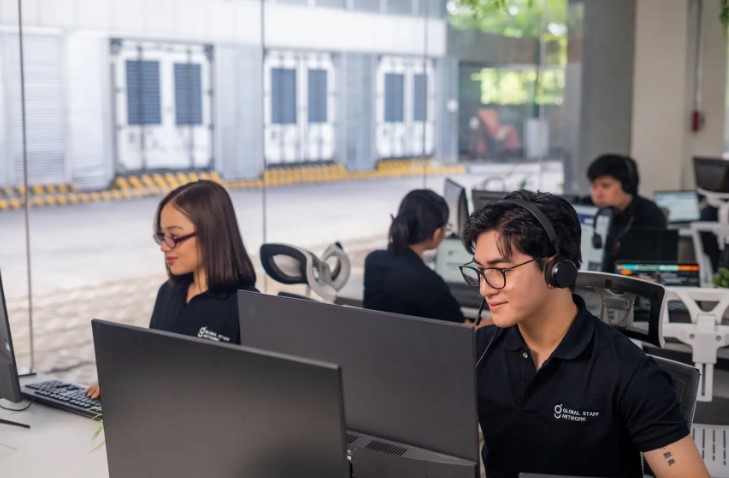
Businesses across the United States and Australia are adjusting to a new workforce reality.Rising labor costs, skills shortages, and unpredictable economic cycles are pushing companies to rethink how they build teams. Instead of relying solely on local hiring, many are expanding operations through structured offshore support.
One destination seeing continued growth is the Philippines.
A Shift in How Teams Are Built
For years, outsourcing was often associated with call centers or back-office tasks. Today, the model has evolved.
Companies are now working with offshore professionals in engineering, construction support, drafting, administration, and technical roles. These professionals operate as part of structured teams, often working daily with managers based in the US or Australia.
This shift reflects a broader change in workforce strategy. Businesses are prioritizing flexibility over fixed overhead.
Rather than increasing full-time payroll during uncertain economic conditions, companies are building hybrid teams — combining local leadership with offshore operational support.
Why the Philippines?
The Philippines has become one of the leading global hubs for professional outsourcing.
Several factors contribute to this trend:
- Strong English proficiency
- A large university-educated workforce
- Cultural familiarity with Western business practices
- Experience supporting international companies
For many firms, outsourcing to the Philippines provides access to skilled professionals while helping manage operational costs.
Engineering and Construction Lead the Trend
Engineering and construction sectors are among those most affected by labor shortages.
Hiring experienced engineers, estimators, and drafting professionals locally can be time-consuming and expensive. At the same time, project deadlines remain strict, and margins are under pressure.
As a result, some firms are now turning to outsourced engineering services to support project documentation, drafting, and design preparation.
These services allow in-house teams to focus on client relationships, compliance, and final approvals, while offshore professionals assist with technical preparation and documentation.
Not About Replacing Jobs
Industry analysts note that this model is not primarily about replacing domestic workers. Instead, it is about managing workload fluctuations.
Local teams remain responsible for leadership, quality control, and client communication. Offshore professionals provide structured support that increases capacity without permanent overhead expansion.
This approach has become especially important during periods of economic uncertainty, when businesses must balance growth with caution.
The Hybrid Workforce Model
The modern workforce is increasingly global.
Companies are no longer limited by geography when building teams. Technology enables daily collaboration across borders, allowing businesses to access skills where they are available.
For engineering and construction firms in particular, hybrid workforce models are becoming part of long-term strategy rather than short-term cost management.
As global labor markets continue to shift, offshore expansion may become less of an exception — and more of a standard business practice.
