
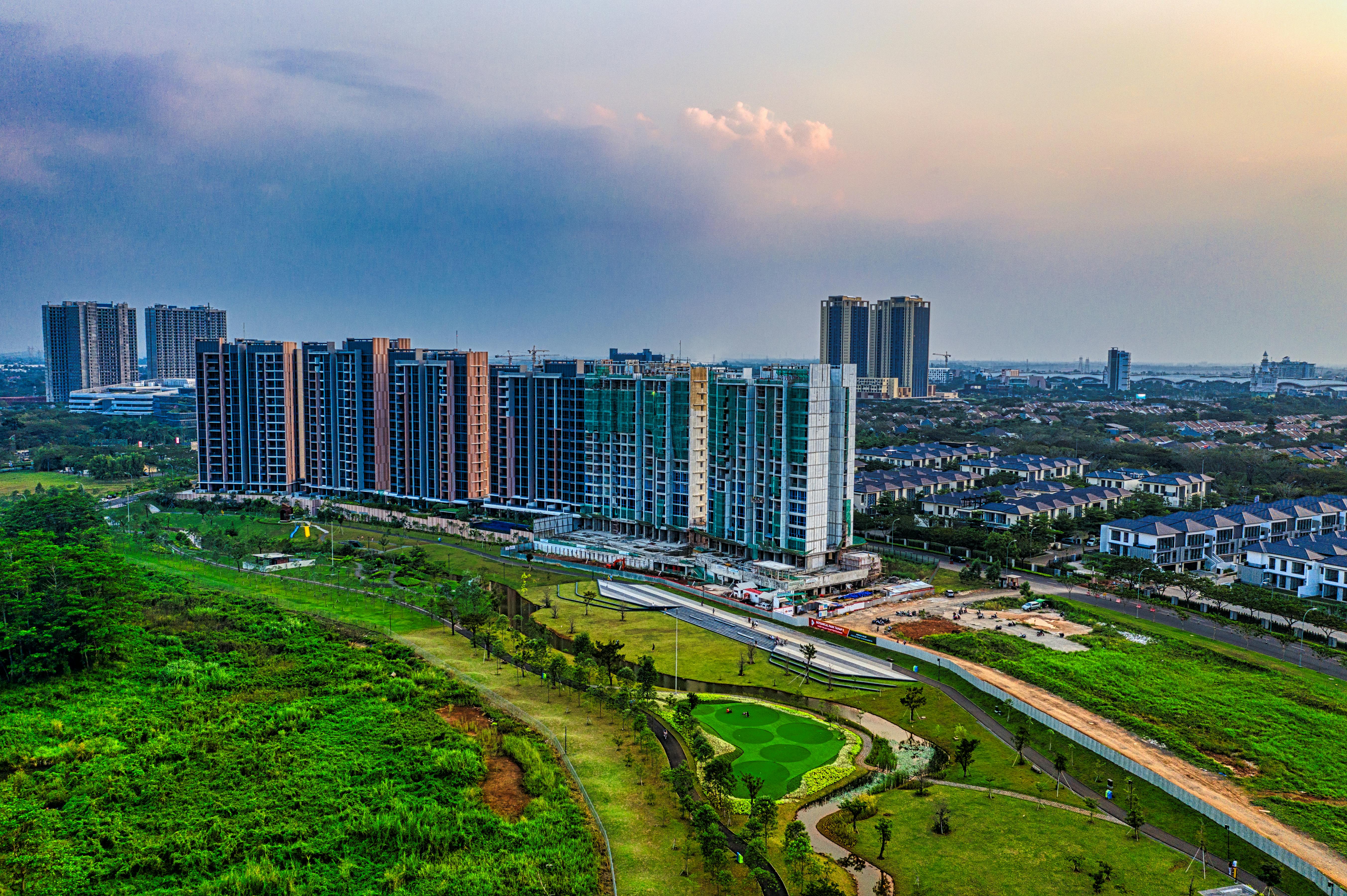
Outdoor spaces play a major role in how a property is experienced, whether it is a residential home or a commercial facility. A well-planned exterior does more than enhance visual appeal. It influences comfort, usability, environmental impact, and overall property value. While improving outdoor areas requires an upfront investment, thoughtful planning and execution often deliver returns that extend far beyond appearance alone.
From increasing property value to improving daily enjoyment, strategic outdoor improvements offer benefits that grow over time.
Boosting Property Value and Curb Appeal
One of the most compelling reasons to invest in outdoor improvements is the positive effect on property value. First impressions matter, and the exterior is the first thing visitors, buyers, and clients see. A cohesive, well-maintained outdoor environment creates an immediate sense of quality and care.
Real estate studies consistently show that attractive landscaping can increase perceived value and help properties sell faster. Elements such as healthy plantings, defined walkways, and balanced layouts contribute to a polished look that stands out in competitive markets. For commercial properties, a professional exterior can enhance brand image and attract more foot traffic or tenants.
When done correctly, landscape development improves not only aesthetics but also functionality, making the property more appealing and marketable in the long term.
Improving Outdoor Living and Usability
Outdoor spaces are no longer viewed as purely decorative. Many property owners want functional areas that extend living or working environments outside. Patios, seating areas, shaded zones, and walking paths encourage more frequent and enjoyable use of the space.
A well-designed outdoor layout supports daily activities such as relaxing, entertaining, or hosting events. For businesses, comfortable and accessible exterior areas can improve customer experience and employee well-being. Thoughtful design considers movement, accessibility, and purpose, ensuring that every element serves a role rather than occupying space without function.
The result is an outdoor area that feels intentional and inviting instead of underused or cluttered.
Long-Term Cost Efficiency and Durability
Although outdoor upgrades require initial planning and expense, they can reduce costs over time when sustainability and durability are prioritized. Selecting plants that thrive in local conditions lowers water usage and minimizes replacement. Proper irrigation systems help prevent waste while keeping landscapes healthy.
Well-built hardscape elements such as pathways and retaining walls reduce erosion and drainage issues that could otherwise lead to expensive repairs. Durable materials and proper installation protect the investment by extending the lifespan of outdoor features.
Planning with maintenance in mind helps avoid frequent rework and allows property owners to enjoy consistent results without escalating upkeep costs.
Environmental and Health Benefits
Beyond financial value, exterior improvements can positively impact the environment and overall well-being. Trees and plants improve air quality, reduce heat buildup, and create cooling effects around buildings. Thoughtful planting can also support local ecosystems by attracting pollinators and wildlife.
Green spaces contribute to mental and emotional health. Access to visually pleasing outdoor areas has been linked to reduced stress, better focus, and improved mood. For residential settings, this creates a more relaxing home environment. In workplaces, it can support productivity and employee satisfaction.
Sustainable outdoor planning allows property owners to make environmentally responsible choices while also enhancing comfort and health.
Enhancing Safety and Organization
A well-designed exterior is not only attractive but also safer and more organized. Clearly defined walkways, adequate lighting, and proper spacing reduce the risk of trips and accidents. Strategic placement of plants and structures ensures visibility and improves navigation across the property.
Drainage solutions built into the design help prevent water pooling that can damage foundations or create hazards. Retaining walls and proper grading protect slopes and stabilize soil, especially in areas prone to heavy rainfall.
When outdoor areas are designed as part of a cohesive plan, safety improvements happen naturally alongside visual enhancements.
A Smart Investment With Lasting Returns
Investing in outdoor spaces delivers value far beyond cosmetic upgrades. From increasing property appeal and usability to supporting sustainability and long term savings, the benefits compound over time. Well planned improvements enhance everyday experiences while strengthening the overall value of the property.
Rather than viewing outdoor upgrades as optional or purely aesthetic, they should be considered a strategic investment. When design decisions are guided by function, durability, and long term goals, the return extends into comfort, efficiency, and pride of ownership for years to come.