
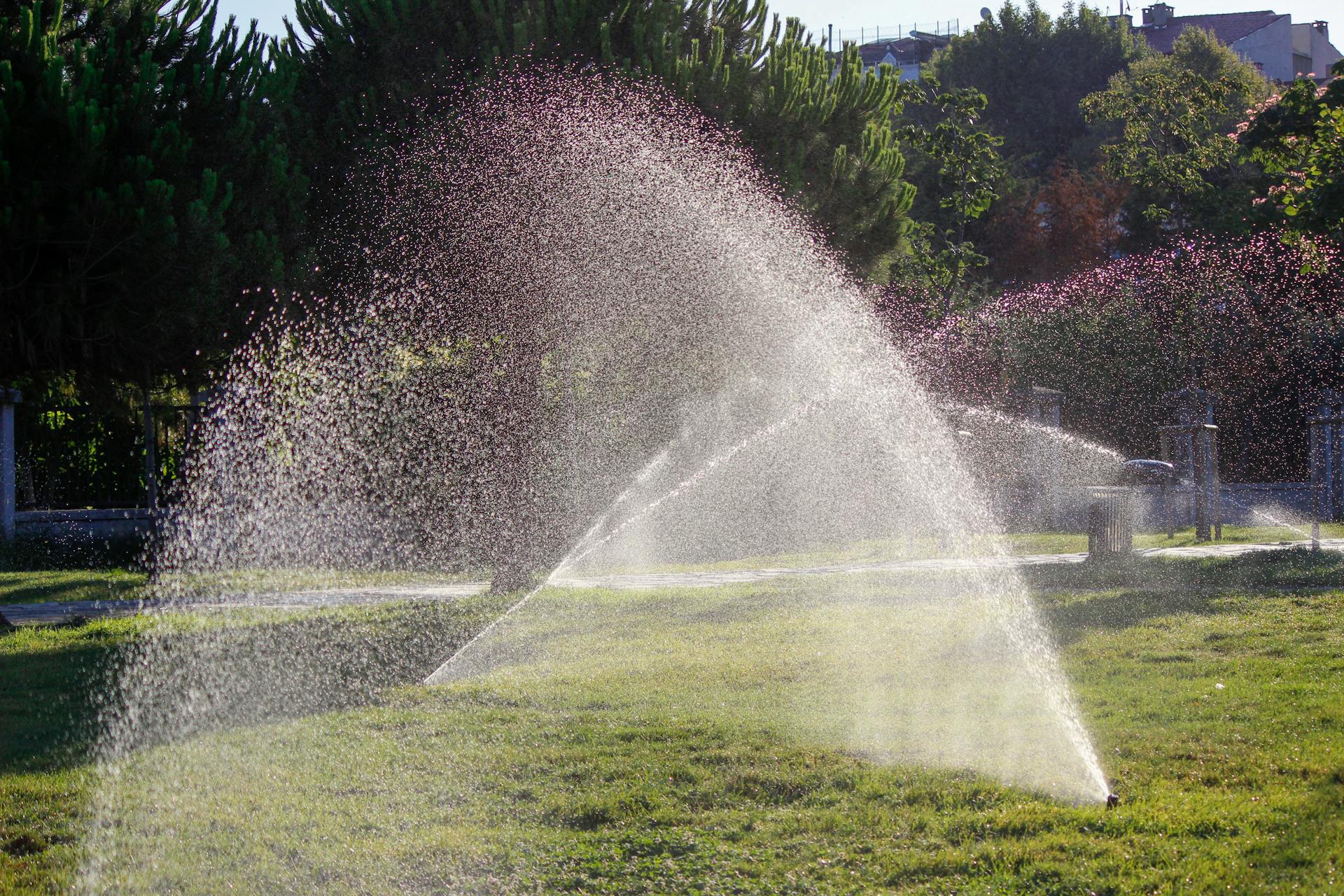
When only one sprinkler zone stops working while the rest of the system keeps running normally, it usually means the problem is isolated to that specific part of the system. That might sound like good news, and honestly, it kind of is. In many cases, these point to a targeted issue like a faulty sprinkler valve, wiring problem, clogged heads, pressure loss, or even an underground leak in that zone alone. It does not always mean your entire irrigation system is failing.
For homeowners in DeSoto, Dallas, and surrounding DFW areas, this is one of those sprinkler problems that tends to sneak up quietly. One side of the lawn starts drying out, the flower bed looks thirsty, or a section of grass turns patchy while the rest of the yard still looks fine. At that point, the issue is usually no longer about the watering schedule. It is about a zone that is simply not doing its job.
“When one sprinkler zone stops working but the rest of the system still runs, that usually tells us the issue is local to that zone and not the whole system. A bad valve, damaged wire, clogged head, or hidden leak can all cause it, and the sooner you catch it, the easier it usually is to fix.” — Hernandez, Founder, Elite Sprinkler Repair & Installation
What does it mean when only one sprinkler zone is not working?
A sprinkler zone is a section of your irrigation system controlled independently by a valve and programmed watering schedule. So if one zone fails while the others still operate, the timer may still be working just fine overall. The real issue is often somewhere between the controller signal and the heads in that one zone.
That single bad zone could be caused by:
- a stuck or failed sprinkler valve
- damaged zone wiring
- a bad solenoid
- clogged nozzles or blocked sprinkler heads
- low pressure caused by a leak
- root intrusion or crushed pipe
- controller programming problems affecting just one zone
In other words, this is usually not random. Something in that zone is interrupting water flow or electrical communication.
1. Faulty sprinkler valve
One of the most common reasons a single sprinkler zone is not working is a bad valve. Each zone has its own valve, and if that valve does not open correctly, water will not move through that section of the lawn.
Sometimes the valve is stuck shut. Other times, the diaphragm inside the valve wears down. Dirt and debris can also interfere with how it opens and closes. If the valve is the issue, you may notice the zone stays completely off even though the controller appears to be running normally.
This is a very common sprinkler repair issue because valves are doing the actual heavy lifting underground. If one goes bad, that entire zone can stop responding.
2. Bad solenoid or wiring issue
The solenoid is the small electrical component that tells the valve to open. If the solenoid fails, the valve does not activate. If the wiring is damaged somewhere between the timer and that valve, same result — that one zone stops working.
This kind of issue happens more often than some homeowners realize. Wire connections underground can corrode, shift, loosen, or get damaged over time. In some yards, digging, edging, root movement, or previous repair work can disturb those wires, too.
Signs of a wiring or solenoid issue can include:
- One zone never turns on
- The controller appears normal, but no water is coming out
- The zone works sometimes and then fails again
- Clicking sounds at the controller, but no response outside
3. Underground leak in that zone
A hidden sprinkler leak can rob a zone of pressure before enough water reaches the heads. So technically, the zone may be “running,” but not properly. You may see weak spray, heads that barely pop up, muddy spots, unusually green patches, or water pooling underground.
This kind of leak is especially annoying because it is not always obvious at first. The lawn may simply look dry in one area, and many homeowners assume the sprinkler heads are the issue when the real problem is a damaged lateral line underground.
If one zone has suddenly become weak while the others still look fine, low pressure from a leak should be high on the list.
4. Clogged or damaged sprinkler heads
Sometimes the zone itself is okay, but the sprinkler heads inside that zone are clogged, broken, leaning, buried, or jammed. Dirt, grass buildup, hard water deposits, and physical damage from lawn equipment can all reduce performance.
If several heads in the same zone are not popping up, it may look like the whole zone failed. But sometimes the valve is actually opening, and water is trying to move through. It is just getting choked by clogged or damaged heads.
Look for:
- heads not rising fully
- uneven spray pattern
- no water from certain heads
- water bubbling around one head
- heads buried under grass or mulch
5. Controller or programming issue affecting one zone
Not every problem is underground. A zone can also stop running because of a sprinkler controller issue. The timer may have lost its program, the start times may be wrong, or one station output may not be functioning properly.
This is especially possible if:
- The problem started after a storm or power outage
- The controller was recently reset
- The zone was manually turned off
- The seasonal adjustment settings changed
- The controller terminal for that zone has a loose wire
A lot of homeowners assume the timer either works or does not work. But it does not always fail as one big unit. Sometimes, just one station output acts up.
6. Pressure problems in just one section
A drop in water pressure can make it seem like one zone is not working, even though it technically is. If that zone is long, poorly balanced, or losing pressure through a leak or restriction, the heads may not pop up with enough force to water correctly.
This can lead to:
- dry patches in one section of the lawn
- weak misting instead of full spray
- heads staying partially down
- inconsistent coverage across that zone
In North Texas, sprinkler performance can also be affected by shifting soil and wear over time, especially in systems that have not been inspected in a while.
Can you troubleshoot a bad sprinkler zone yourself?
You can do a basic check before calling a sprinkler repair company.
Start with these steps:
- Run the bad zone manually from the controller.
- Listen for the valve clicking.
- Check whether any heads pop up at all.
- Look for soggy patches, bubbling water, or muddy areas.
- Inspect visible heads for clogging or damage.
- Confirm the controller settings have not changed.
- Check whether nearby zones are also showing weak pressure.
If nothing happens at all, it may be a valve, solenoid, or wiring problem. If something happens but coverage is weak, you may be dealing with a leak, pressure issue, or blocked heads.
When it is time to call a sprinkler repair professional
If one sprinkler zone has stopped working and you cannot identify a simple head issue, it usually makes sense to bring in a pro. Zone problems often involve hidden components underground, electrical testing, valve diagnosis, or leak detection. That is where guessing can get expensive.
A professional sprinkler inspection can help pinpoint whether the issue is:
- mechanical
- electrical
- hydraulic
- programming related
And that matters, because replacing random parts without confirming the root issue often wastes both time and money.
Don’t ignore one bad sprinkler zone for too long
A single non-working zone may not sound like an emergency, but it can turn into one. Grass can thin out. Plant beds can struggle. Water bills can climb if there is a hidden leak. And the longer a zone problem sits there, the more likely it is to create bigger repair needs later.
If one sprinkler zone is not working but the others are, the smartest move is to diagnose it early. In many cases, the problem is isolated and repairable before it spreads into a more expensive irrigation issue.