
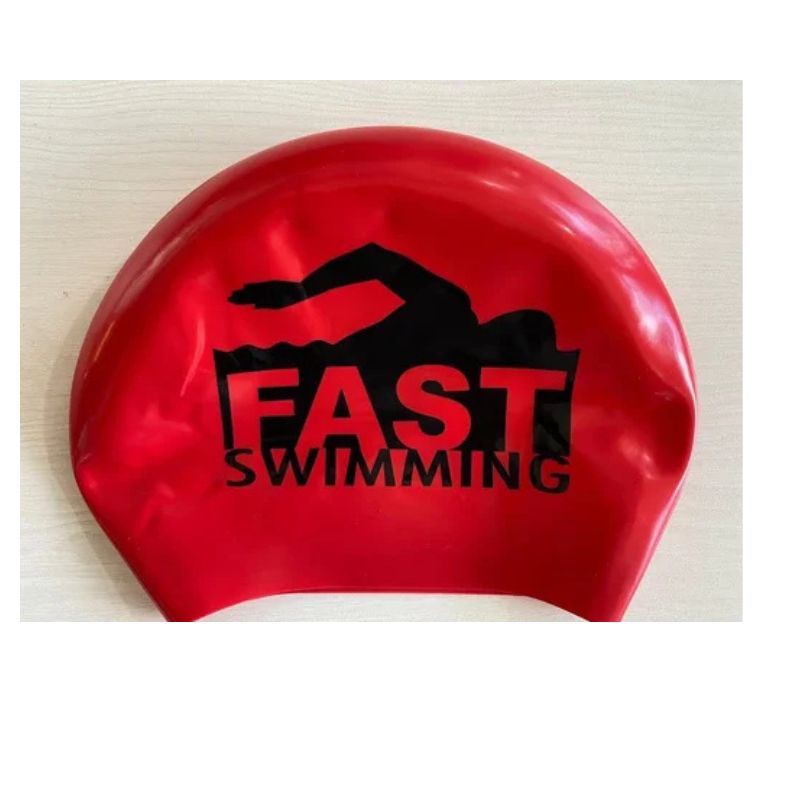
A silicone swimming hat often feels smooth, flexible, and comfortable when new, yet over time it may develop an unpleasant sticky texture. That sudden change can feel confusing, especially when care routines seem correct. The surface begins to attract lint, resist easy stretching, and lose its original glide. This shift usually signals chemical or environmental impact rather than product failure. Understanding the causes behind this stickiness allows better maintenance decisions and helps extend usability while preserving comfort, elasticity, and overall performance in water conditions.
Material Composition and Surface Reaction
Silicone is a polymer known for durability, elasticity, and water resistance. However, its molecular structure reacts subtly to environmental exposure. Oils, sweat residue, and chlorine particles can accumulate on the surface layer. Over time, these elements disrupt the smooth finish, creating a tacky sensation. To keep your silicone swimming hat in top condition, it is vital to understand how these external elements interact with the material.
When the cap stretches repeatedly, microscopic abrasions form. These small changes increase friction, making the surface feel sticky rather than sleek. Heat exposure also accelerates chemical softening, altering the texture. Understanding this reaction highlights why consistent care matters, especially after frequent swimming sessions in treated water environments.
Impact of Body Oils and Hair Products
Hair oils, conditioners, and styling products contribute heavily to stickiness. When these substances transfer onto the cap, they form a thin film that does not rinse off easily with plain water. This residue binds with chlorine and minerals, creating a layered buildup.
If using a long hair cap for swimming, the increased contact area between hair and silicone intensifies residue accumulation. Thick or long hair often carries more product, which transfers during wear. Over time, this combination leads to a noticeable change in texture. Regular exposure without proper cleaning causes gradual degradation of the outer silicone layer.
Chlorine and Pool Chemical Exposure
Chlorine plays a major role in maintaining pool hygiene, yet it negatively impacts silicone over extended periods. The chemical breaks down surface integrity by interacting with the polymer structure. This reaction does not happen instantly but develops gradually after repeated exposure. Regular rinsing is the simplest way to prevent the chemicals from damaging your silicone swimming hat after a workout
Residual chlorine left on the cap after swimming continues to react even outside the pool. If not rinsed properly, the cap retains chemical traces that accelerate stickiness. The material begins to lose its original non-slip feel and instead becomes tacky. Consistent rinsing with clean water reduces this ongoing reaction and preserves elasticity.
Improper Cleaning Techniques
Cleaning methods significantly influence the condition of silicone caps. Using harsh detergents or strong soaps strips away protective layers from the material. While these products remove dirt, they also weaken the silicone surface, leading to increased friction and stickiness.
Gentle cleaning is more effective for maintaining texture. Lukewarm water combined with mild soap helps dissolve oils without damaging the material. Scrubbing aggressively should be avoided, as it creates micro-tears that trap residue. Proper rinsing ensures no soap film remains, preventing further buildup that could worsen the sticky sensation over time.
Effects of Heat and Storage Conditions
Storage environment directly affects silicone behavior. High temperatures soften the material, making it more prone to stickiness. Leaving the cap in direct sunlight or inside enclosed spaces like bags or lockers increases heat exposure. Storing your silicone swimming hat in a temperature-controlled environment prevents the polymer from softening prematurely.
Moisture also plays a role. Storing a damp cap encourages residue formation and surface changes. When moisture combines with leftover chlorine or oils, it creates a sticky layer that becomes harder to remove. A cool, dry storage area maintains structural integrity and prevents unwanted texture changes. Proper airflow allows the cap to dry naturally, reducing chemical interactions.
Preventive Care and Maintenance Routine
Preventing stickiness requires a consistent and simple care routine. Rinsing immediately after each swim removes chlorine and surface debris before they settle. Gentle drying with a soft cloth or air drying keeps moisture from lingering.
Applying a small amount of talc-free powder occasionally can reduce friction and maintain a smooth feel. This step helps absorb residual moisture and prevents the surface from sticking to itself. Avoid folding the cap tightly, as pressure points may trap residue. Instead, storing it flat or loosely rolled preserves its natural shape and flexibility.
Conclusion
A silicone swimming hat becomes sticky due to a combination of chemical exposure, residue buildup, and environmental factors rather than sudden damage. With proper cleaning, controlled storage, and mindful handling, the original texture remains intact for longer periods. Paying attention to small maintenance habits prevents surface degradation and supports consistent performance. Understanding these factors ensures the cap stays comfortable and reliable, making every swim session smoother and more efficient without unnecessary wear or discomfort.
