

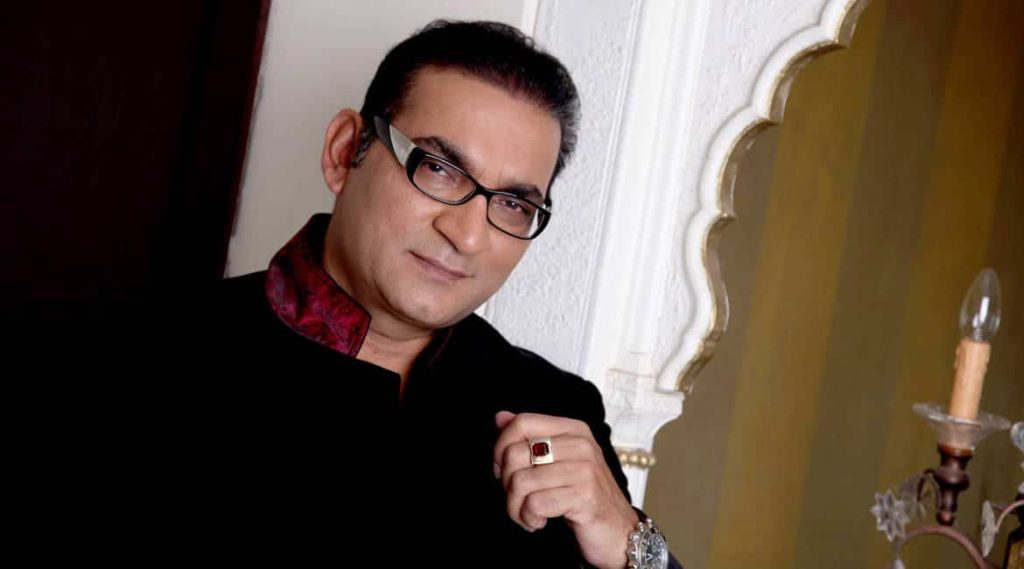
When Bollywood playback singer Abhijeet Bhattacharya started losing his hair, he had every option in the world. He could have flown to London. He could have picked one of the hundreds of budget clinics in Istanbul. Instead he chose Dubai. In his own words shared publicly after the procedure, his busy schedule demanded something fast and reliable. He got his treatment done, felt calm afterward and said his confidence went up in a way he did not expect. He is not alone. Actors Gulshan Grover and Sanjay Kapoor made the same choice and spoke openly about it.
That pattern keeps repeating. Every year thousands of people from India, the UK, Africa, Russia and the Gulf board a flight to Dubai for one reason. They want their hair back and they want it done properly. So what exactly pulls them there when cheaper options exist elsewhere? Let’s break it down with real numbers and honest answers.
The Numbers Behind Dubai’s Medical Tourism Boom
Dubai is not just guessing at this. The growth is documented. According to the Dubai Health Authority (DHA), the city welcomed 691,478 health tourists in 2023. Those visitors spent more than AED 1.03 billion on healthcare services. That was a jump from 2022 when 674,000 medical tourists spent AED 992 million.
Where do these patients come from? The DHA breakdown shows around 39 percent arrive from Asian countries. Another 22 percent come from Europe and the CIS region. Roughly 21 percent travel from Arab and GCC nations. The rest fly in from Africa and the Americas.
Hair restoration sits inside dermatology and cosmetic care. These are among the most requested specialties by foreign patients in the city. Dubai also ranked 6th out of 46 destinations in the Medical Tourism Index, which measures quality of care, facilities and patient experience. Market researchers expect the UAE medical tourism sector to keep growing at about 8.7 percent per year through 2033.
Those numbers tell a simple story. People trust the city with their health. And trust is everything when someone is about to move thousands of hair follicles from one part of your head to another.
Strict Regulation Is the Real Selling Point
Here is something most people miss when comparing countries. The biggest fear with a hair transplant abroad is not the price. It is walking into a clinic where a technician performs the surgery instead of a doctor. This problem is well known in some budget destinations where unlicensed operators run high volume clinics with little oversight.
Dubai handles this differently. Every surgeon and every clinic must hold a license from the Dubai Health Authority. The DHA checks qualifications, inspects facilities and enforces safety standards. Many hospitals in the city also carry accreditation from the Joint Commission International, which is the same benchmark used by top hospitals in America.
In late 2025 the emirate went further and introduced Dubai Law No. 5 on public health. It tightened health protocols across the city, including rules that affect visiting patients.
For someone flying in from Lagos, Mumbai or Manchester, this matters more than anything else. You know the person holding the punch device studied for it, trained for it and answers to a regulator if something goes wrong. That peace of mind is hard to put a price on.
What a Hair Transplant in Dubai Actually Costs
Let’s talk money honestly because this is where most people start comparing.
A hair transplant in Dubai typically costs between AED 8,000 and AED 30,000. Clinics usually charge per graft and the rate falls between AED 5 and AED 18 per graft depending on the technique and the surgeon’s experience. According to Bookimed, a medical travel platform that verified quotes from 182 clinics in early 2026, the average FUE procedure in Dubai comes to around $6,350.
Now compare that with other countries. In the UK a similar FUE procedure runs between £8,000 and £15,000. In the United States prices climb even higher and often cross $15,000 for larger sessions. Turkey sits at the cheap end where packages can start near $2,000.
So Dubai is not the cheapest option. Nobody serious will tell you it is. What it offers is the middle ground that many patients actually want. You pay less than London or New York. You get far stricter regulation and more surgeon accountability than the crowded budget market. For patients from the GCC and Africa the short flight makes follow-up visits realistic too, which is something a trip to Istanbul or Los Angeles rarely allows.
Most patients need between 2,000 and 4,000 grafts for a full result. A mild recession may need only 1,000 to 1,500 grafts. So your real cost depends on your own scalp, not a price list on a website.
Surgeon Skill and Technique Options Are World Class
Dubai has quietly collected some of the most experienced hair restoration surgeons in the world. Doctors trained in America, Europe and Asia have set up practice in the city because the demand is strong and the standards are high. Some pioneers in the field, including surgeons who received the earliest fellowship training in hair restoration back in the early 1990s, now operate from Dubai and attract heads of state, athletes and film stars.
The technique menu covers everything modern hair science offers. FUE remains the most popular choice because it leaves no linear scar and heals fast. DHI gives surgeons precise control over the angle and direction of each implanted hair. FUT still serves patients who need very large graft numbers in one session. Many clinics also offer regenerative add-ons like PRP therapy and stem cell treatments to strengthen results.
Graft survival rates with an experienced Dubai surgeon reach around 90 percent according to clinic data published by Euromed Clinic Dubai. That figure depends heavily on the hands doing the work, which is exactly why patients research the surgeon before the city. If you want to see how an established center approaches consultation and hairline design, you can explore what a specialized hair transplant in dubai practice offers before making any decision.
The artistry side matters too. A transplant can be technically perfect and still look wrong if the hairline does not match your face. Top surgeons in the city study facial structure and ethnicity before drawing a single line. That attention to natural design is a big reason celebrities keep choosing Dubai over quieter and cheaper markets.
Who Actually Makes a Good Candidate
One thing serious Dubai clinics do differently is say no. A responsible surgeon will turn away a patient who is not ready, and that filtering protects results.
The best candidates have stable hair loss and a healthy donor area at the back of the head. That zone holds hair that is genetically resistant to balding, which is why transplanted follicles keep growing for life. Men with moderate loss on the Norwood scale usually get the most dramatic transformations. Women can be excellent candidates too as long as their thinning follows a stable pattern and the donor supply is strong enough.
Age plays a role as well. Surgeons in Dubai often ask men in their early twenties to wait or to start with medication first. Hair loss at that age is still moving, and chasing a shifting hairline with surgery leads to unnatural results later. A good clinic will map your loss, check your family history and sometimes run blood work before agreeing to operate. If a clinic says yes within five minutes of seeing one photo, treat that as a warning sign.
The Patient Experience Nobody Talks About Enough
Getting surgery abroad involves more than the operating room. Dubai understands this better than almost any destination.
The government runs a program called the Dubai Health Experience (DXH) which was built specifically for medical tourists. It helps with medical visas, connects patients to licensed facilities and even bundles treatment with hotel stays. Emirates and flydubai connect the city to more than 120 countries with direct flights, so most patients reach Dubai without a single layover.
Language is never a barrier either. Healthcare staff in the city speak more than 40 languages according to DHA figures. A patient from Paris, Karachi or Nairobi can explain their concerns in their own words and be understood.
Then there is recovery. After a transplant you need a few quiet days while the grafts settle. Recovering in a comfortable hotel by the beach beats sitting in a cramped budget hostel. Many patients bring their families and turn the trip into a short holiday. The procedure itself takes six to eight hours. New growth appears around 3 to 4 months. Full results show between 12 and 18 months. Most people fly home within two or three days and return to work within a week.
Aftercare When You Live in Another Country
This is the part budget destinations quietly struggle with and it deserves attention.
A transplant does not end when you leave the clinic. The first ten days decide a lot. Grafts need gentle washing, sleeping at the right angle and zero friction. Then comes shock loss around week two to eight when the transplanted hairs shed before regrowing. Patients panic at this stage if nobody prepares them for it.
Dubai clinics have built their systems around international patients, so remote aftercare is standard rather than an afterthought. Most centers schedule video reviews at set milestones, ask for scalp photos through WhatsApp and adjust medication from a distance. Patients from the GCC often just fly back for a quick check since the flight takes an hour or two. Compare that with a patient who bought a package deal on another continent and now cannot reach anyone who remembers his case. That difference shows up twelve months later in the mirror.
It also helps that hair transplants in the UAE are classified as cosmetic procedures. Insurance does not cover them, so clinics compete on results and service instead of insurance paperwork. Everything is priced upfront, which is why itemized quotes are the norm in Dubai rather than the exception.
How Dubai Compares With Turkey, the UK and India
Every destination has a fair case, so here is the honest picture.
Turkey wins on price and volume. Thousands of transplants happen in Istanbul every week. The risk is inconsistency. Quality ranges from excellent to alarming and patients often cannot verify who will actually perform their surgery until they arrive.
The UK and the US win on regulation but the prices push many people away. A large session there can cost the same as a family car.
India offers skilled surgeons at low prices but international patients often worry about aftercare coordination once they fly home.
Dubai blends the strengths. Verified surgeon licensing. Transparent package pricing. Direct flights from almost everywhere. Luxury recovery. Prices that sit well below Western Europe. For patients who value certainty over the absolute lowest price, that combination is hard to beat.
Simple Advice Before You Book Anything
Speak to at least three clinics before committing. Ask each one who exactly performs the extraction and implantation. Request before and after photos of patients with your hair type. Confirm the quote includes anesthesia, medication and follow-up reviews. Most satisfied patients will tell you they spent hours of research comparing surgeons before picking one, and that homework paid off far more than any discount ever could.
Also be patient with the timeline. Anyone promising visible results in weeks is not being honest with you. Real hair takes a full year to mature.
Your Hair Restoration Journey Starts With One Smart Decision
The reason international patients keep choosing Dubai comes down to something simple. The city removed the fear from medical travel. Strong regulation protects you. Experienced surgeons treat you. World class infrastructure carries you through the whole trip without stress. The 691,000 plus health tourists who arrived in a single year did not all get it wrong.
If hair loss has been sitting on your mind, do what smart patients do. Research the surgeon first, verify the license, ask hard questions and choose the place where skill and safety meet. For a growing number of people around the world, that place is Dubai.