

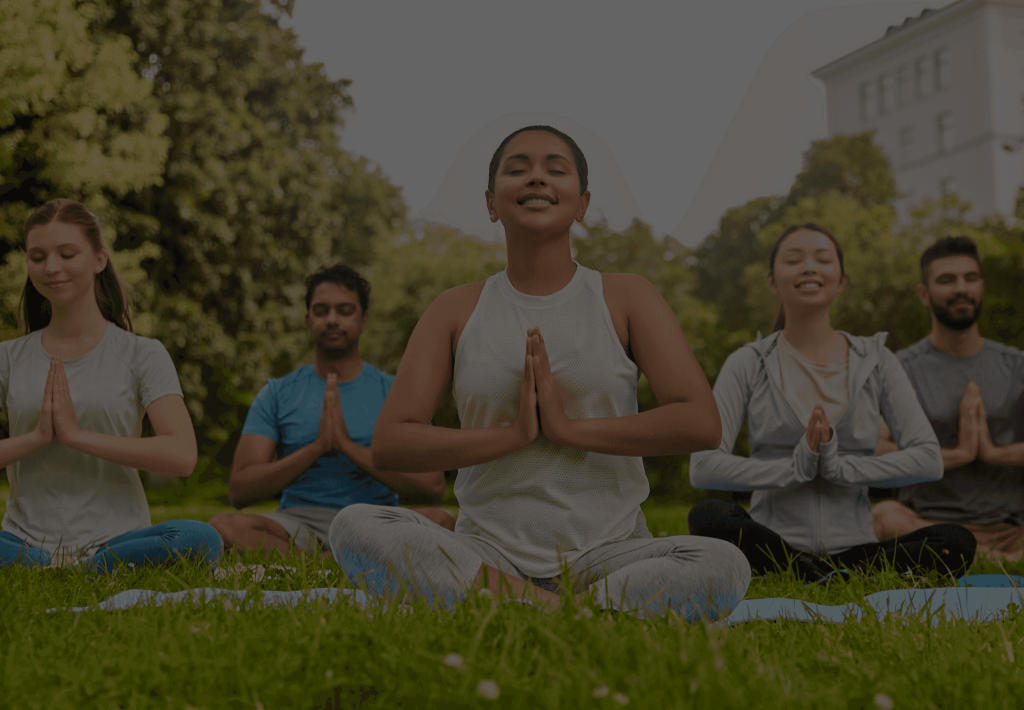
Let’s be upfront about something. If meditation apps actually worked the way they’re marketed, the wellness industry wouldn’t keep launching new ones every six months. The market for guided sessions and breathing reminders and daily streak features is enormous precisely because most people who try these apps don’t stick with them, which means there’s always a fresh wave of people looking for something that finally clicks. And a lot of those people, after cycling through three or four apps and arriving at the same place each time, are starting to wonder if the format itself is the problem rather than their own lack of follow-through. That’s a fair question to ask. It’s also why platforms built around getting people off their phones and into rooms together, like Pinealage, are attracting attention from people who’ve honestly tried the solo app route and found it wanting.
The App Model Has a Ceiling
Meditation apps aren’t useless. That’s not really the argument here. For someone traveling or dealing with a schedule that makes in-person anything basically impossible, having a guided session available on demand is genuinely useful. But there’s a ceiling to what that model can deliver, and a lot of regular users hit it sooner than they expect.
Part of the issue is attention. Your phone is the single most distracting object in most people’s lives, and asking it to also be your portal to inner stillness is asking a lot. But beyond that, there’s something missing from the solo app experience that isn’t really about features or content quality. It’s the absence of other people. And it turns out that absence matters more than the apps tend to acknowledge.
Human beings are wired for co-regulation. That’s the technical term for what happens when one person’s nervous system influences another’s through proximity and presence. It’s why sitting next to a calm person makes you calmer. It’s why crowded, agitated environments raise your stress even when nothing is directly happening to you. And it’s why meditating in a room with other people who are also committed to stillness produces a qualitatively different experience from sitting alone with headphones in. No app feature can replicate it because it requires actual physical presence to work.
What the Group Setting Actually Changes
You Show Up More, and More Completely
There’s a version of “doing your meditation” that involves sitting on the edge of your bed for eight minutes while mentally composing a work email. It counts in a technical sense. It doesn’t do much. And it happens a lot more often than people like to admit when the practice is entirely self-managed at home.
A group session eliminates most of that. You’ve left the house. You’re somewhere specific. The people around you have made the same effort, and they’re actually doing the thing. There’s a social reality to the session that gently pushes back against the half-presence that home practice quietly permits. You don’t need extra discipline. The situation handles it.
Consistency That Doesn’t Require Constant Willpower
This is probably the biggest practical difference between app-based practice and in-person group meditation. With an app, every single morning is a fresh decision. You have to actively choose it again, negotiate with yourself about whether today is the right day, and talk yourself into doing it rather than checking the news first. It’s exhausting in a low-grade way, and that exhaustion accumulates until one week you just don’t bother.
With a regular group, the decision is mostly made in advance. You go on Thursdays, or Saturday mornings, or whenever your group meets. That’s the default. Missing it requires more effort than showing up, which is more or less the opposite dynamic from solo practice. It sounds like a small shift, but in terms of actual follow-through over weeks and months, it makes an enormous difference.
The People Become Part of the Reason You Go
Ask anyone who’s been part of a regular meditation group for more than a couple of months what keeps them coming back, and most of them won’t start with the meditation. They’ll mention the people. The familiar faces. The five-minute conversation afterward with someone who’s become an actual friend. The sense of belonging to something small and consistent in a week that’s otherwise fairly fragmented.
That’s not a distraction from the practice. It is the practice, in an expanded sense. Genuine human connection in a world where most of our daily interactions happen through screens is its own form of well-being, and building it into a regular routine is something a meditation app genuinely cannot offer. The National Center for Complementary and Integrative Health notes that mindfulness practices may support stress reduction and emotional regulation, though individual outcomes vary and ongoing research continues to develop our understanding. What that research doesn’t fully capture yet is the additional weight that consistent in-person community adds to those outcomes.
Why Social Connection Is Not a Bonus Feature
It’s easy to treat the social side of group meditation as a nice extra, something pleasant but not essential. The evidence suggests otherwise. The U.S. Surgeon General’s advisory on loneliness and social isolation didn’t frame disconnection as a lifestyle issue. It framed it as a public health crisis, with documented consequences for physical and mental health that aren’t meaningfully different in scale from other risks we take far more seriously as a society.
Harvard’s decades-long research on what makes people healthy and happy has arrived at a conclusion that’s both simple and easy to overlook: the quality and consistency of our relationships matter more than almost anything else when it comes to long-term well-being. Not income, not professional achievement, not even physical health habits in isolation. Relationships. Regular, real ones, with people who are actually present.
A weekly group meditation session isn’t going to solve anyone’s loneliness on its own. But it’s a reliable, low-pressure, genuinely meaningful point of human contact in a week. That’s worth more than most people give it credit for before they’ve tried it.
Getting Started With In-Person Group Meditation
If you’re ready to try this properly, the options are more accessible than they might seem. Local yoga studios, community wellness centers, and contemplative spaces often run standalone group sessions that don’t require any commitment beyond showing up. Searching for meditation groups near me will usually turn up more than you expected, especially in any city with an established wellness scene.
For a more targeted way to find people who are specifically looking to meditate with others in your area, the Pinealage app works as a matching platform for exactly this kind of small, informal, in-person meetup. You find compatible people nearby, sort out a time and location, and then the practice itself happens entirely offline. No guided audio, no screen, no streak to maintain. Just a small group of people choosing to be still together for a little while. Which, it turns out, is often exactly what’s been missing.
Frequently Asked Questions
Is in-person group meditation better than using a meditation app?
For most people who’ve tried both, yes, particularly when it comes to consistency and depth of practice. Apps are convenient and useful for certain situations, but they can’t replicate the co-regulation, shared environment, or social accountability of being physically present with others. If you’ve struggled to maintain a solo app-based practice, in-person group meditation is genuinely worth trying as an alternative rather than just another variation of the same thing.
How small is a typical group meditation session?
It varies, but informal groups tend to be small, often anywhere from three to ten people. That’s actually one of the things that makes them work. A small group feels personal rather than anonymous. You notice when someone’s missing. The dynamic between people develops quickly in a way it can’t when you’re one of fifty people in a studio class. Smaller also tends to mean more flexible, which makes it easier to find something that fits your schedule and location.
What should I bring to my first in-person meditation session?
Practically nothing, which is one of the appealing things about it. Comfortable clothes you can sit in for thirty or forty minutes. Maybe a small cushion if you know you need one, though most groups will have something available. An open mind about what the session will actually be like, because it’s almost always simpler and less intimidating than people imagine beforehand. You don’t need special equipment, prior experience, or any particular technique. You just need to show up.