
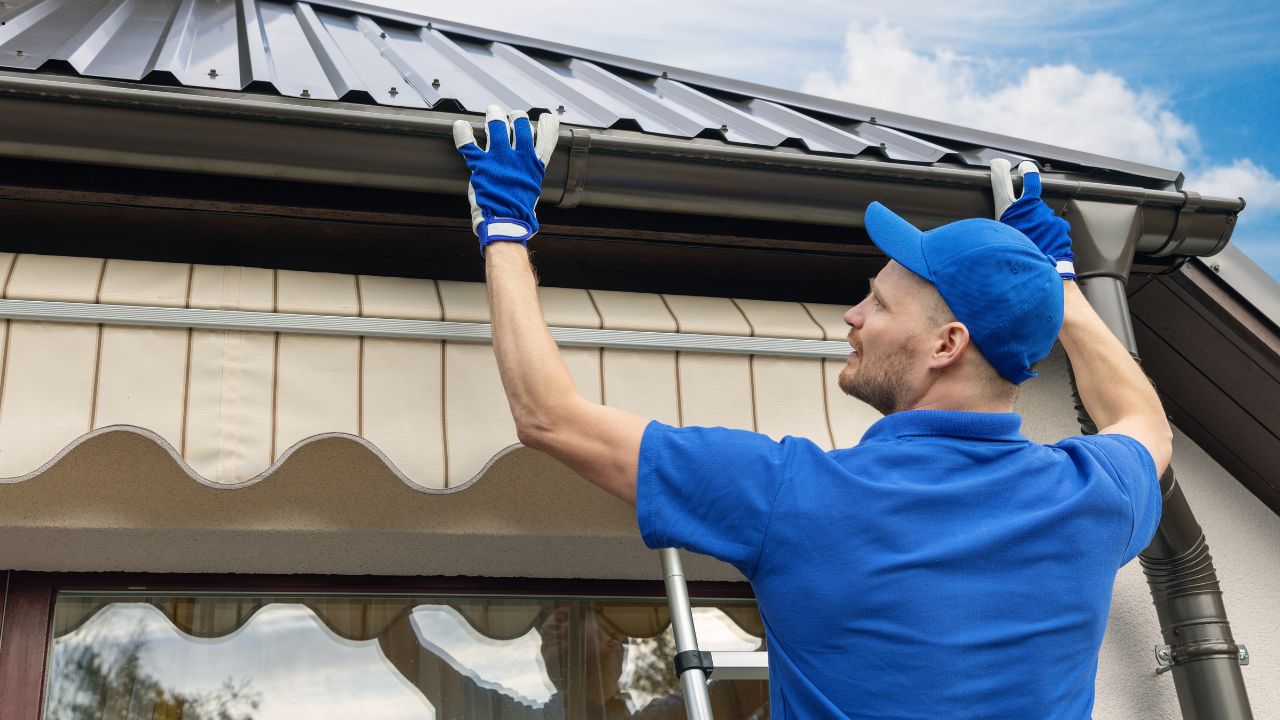
Your guttering system protects your home from costly water damage throughout the year. Yet, many homeowners ignore small gutter repair problems until they become major structural issues.
A small leak, dripping gutters, or a loose gutter joint may not seem urgent at first. However, minor issues with your gutters can quickly worsen during periods of heavy rain, especially in South Wales, where wet weather and strong winds are common.
By dealing with gutter repair problems early, you can protect your roof, fascia, brickwork, and foundations from expensive long-term damage.
Why Your Guttering System Is So Important
Your guttering system controls the flow of rainwater away from your property. When your gutter works correctly, it helps prevent leaks, overflow, damp, and erosion around your home.
Once blocked gutters, damaged downpipes, or a leaking gutter joint develop, rainwater can no longer drain properly. Instead, water spills over the edge of the gutter and runs down exterior walls.
Over time, this can cause:
- Damp and mould growth
- Damaged fascia boards
- Stained brickwork
- Roof leaks
- Foundation problems
- Rot around timber roof areas
Even a simple repair can prevent expensive gutter replacement work later.
Small Gutter Problems Rarely Stay Small
Many common gutter issues begin as small and manageable problems. Unfortunately, wear and tear caused by weather exposure often increases the extent of damage quickly.
For example, a small leak from a gutter joint may only create a slow drip during rainfall. After months of exposure, however, the constant moisture can damage brickwork, fascia boards, and nearby roof materials.
Similarly, a loose bracket may allow part of the gutter run to sag. As rainwater collects inside the small gutter section, the weight increases until the gutter starts pulling away from the property.
Delaying gutter repair often increases the average gutter repair cost significantly.
The Most Common Causes of Gutter Repair Problems
Most gutter repair issues develop gradually over time. Understanding the common issues can help you prevent leaks before serious water damage occurs.
The most common causes include:
- Blocked gutters and downpipes
- Moss and debris buildup
- Heavy rain overflow
- Wear and tear from ageing materials
- Loose gutter brackets
- Damaged gutter joints
- Poor installation
- Cracked gutter material
- Gutters that expand and contract during temperature changes
- Damaged seals and gasket failure
Homes across South Wales often experience these problems because guttering in the UK faces constant exposure to wet weather conditions.
Blocked Gutters Can Cause Serious Water Damage
Blocked gutters are one of the leading causes of leaking gutter problems.
Leaves, moss, dirt, and debris collect inside the guttering and downpipe system over time. Once a blockage forms, rainwater cannot flow properly through the downpipe.
This often leads to:
- Overflow during heavy rain
- Water stains on walls
- Damp patches near the roof
- Mould growth inside the property
- Damage to fascia boards
- Leaking gutter joints
- Brickwork deterioration
Regular gutter clean services and unblocking can help you avoid many of these problems before they worsen.
Warning Signs You May Need Gutter Repair
Many homeowners only notice gutter problems once visible water damage appears. However, there are earlier warning signs you should watch for.
Look for:
- Dripping gutters after rainfall
- Overflow from the end of the gutter
- Sagging gutter sections
- Loose downpipes
- Water marks on brickwork
- Damp or mould near fascia boards
- Cracks or small holes in the gutter
- Plant growth inside blocked gutters
- Rust around metal brackets
- Leaking gutter joints during heavy rain
Spotting these issues early can reduce repair work and help prevent gutter replacement later.
Why South Wales Weather Makes Gutter Problems Worse
The climate in South Wales creates extra strain on your guttering system.
Frequent rainfall, coastal winds, and changing temperatures cause gutters to expand and contract throughout the year. Over time, this movement weakens gutter joints, brackets, and seals.
Autumn and winter are especially problematic because blocked gutters become more common during these seasons. Homes surrounded by trees often require more regular gutter clean services due to falling leaves and moss buildup.
Heavy rain can quickly expose weak areas in damaged guttering that may not be obvious during dry weather.
Different Types of Guttering Require Different Repairs
The type of guttering installed on your property affects the repair process.
Modern homes commonly use uPVC or plastic guttering because it is durable and lightweight. Older homes may still have cast iron, concrete gutter, or finlock gutters, which require specialist repair methods.
Each gutter material has different maintenance requirements and common weaknesses.
For example:
- uPVC gutter systems may crack or separate at joints
- Cast iron gutters can rust over time
- Concrete gutter systems may suffer from internal leaks
- Older gutter joints may fail because of worn gasket seals
Understanding your type of guttering helps you identify the most effective repair or replacement option.
Can You Carry Out DIY Gutter Repair?
Some minor maintenance tasks can be handled safely by homeowners. For example, you may be able to remove leaves from blocked gutters or inspect a leaking gutter from ground level.
However, diy gutter repair is not always straightforward.
Working at height using a ladder carries risks, particularly around a conservatory or uneven ground. In some cases, scaffolding may also be required.
Many homeowners attempt repair leaking joints using gutter sealant, roof and gutter sealant, repair tape, or sealant products bought from DIY shops. While these products may provide a temporary solution, they often fail if the underlying issue is structural.
Some diy gutter repair methods also involve tools such as:
- Screwdriver sets
- Wire brush equipment
- Wire hand brush tools
- Stabiliser products
- Metal primer
- Sealant applications
Without proper knowledge, however, simple repair attempts can sometimes worsen the damage.
If you are unsure about the extent of damage, it is usually safer to hire a professional guttering specialist or roofer.
When Should You Hire a Professional?
Some gutter repair issues require expert attention.
You should consider hiring a tradesperson or guttering specialist if you notice:
- Persistent leaking gutter problems
- Overflow during every rainfall
- Loose or detached gutter brackets
- Large cracks or damaged guttering
- Water damage around the roof
- Downpipes pulling away from walls
- Repeated blockages despite gutter clean efforts
A professional can assess whether you need gutter joint repair, repair work, or full gutter replacement.
They can also identify hidden problems affecting the underside of the guttering or roof structure.
Gutter Repair Is Usually Cheaper Than Gutter Replacement
Many homeowners worry about gutter repair cost, but delaying repairs often increases the average price significantly.
In many situations, a simple repair is enough to restore the guttering system effectively.
Minor repairs may include:
- Replacing brackets
- Repair leaking gutter joints
- Clearing blocked downpipes
- Re-securing loose gutter sections
- Applying gutter sealant to minor cracks
- Remove and replace damaged connectors
Acting early can help you avoid larger gutter replacement projects and more extensive roof repair work later.
Quick Gutter Inspection Checklist
You should inspect your guttering system at least twice a year, ideally during spring and autumn.
Check for:
- Overflow during rainfall
- Dripping gutters
- Leaking gutter joints
- Loose brackets
- Cracked gutter material
- Blocked gutters and downpipes
- Water stains on brickwork
- Damp near fascia boards
- Sagging gutter sections
- Mould growth around exterior walls
These simple checks can help you identify issues with your gutters before they become expensive problems.
Preventative Maintenance Helps You Prevent Leaks
Regular maintenance is one of the best ways to reduce gutter repair cost over time.
To keep your guttering system working properly, you should:
- Arrange regular gutter clean services
- Remove moss and debris buildup
- Monitor gutter joints after storms
- Check downpipes for blockages
- Repair small holes quickly
- Inspect brackets and supports regularly
- Watch for signs of overflow during heavy rain
Preventative maintenance extends the lifespan of your guttering and reduces the likelihood of emergency repairs.
Final Thoughts
Ignoring minor gutter repair problems can lead to serious water damage over time. A small leak, damaged gutter joint, or blocked downpipe may appear minor, but these common gutter issues can quickly affect your roof, fascia, brickwork, and foundations.
By identifying problems early, arranging regular gutter clean services, and addressing repair work promptly, you can protect your home from costly long-term damage.
Whether your property uses uPVC, cast iron, plastic guttering, or older gutter materials, maintaining your guttering system is an essential part of protecting your home throughout the year.