
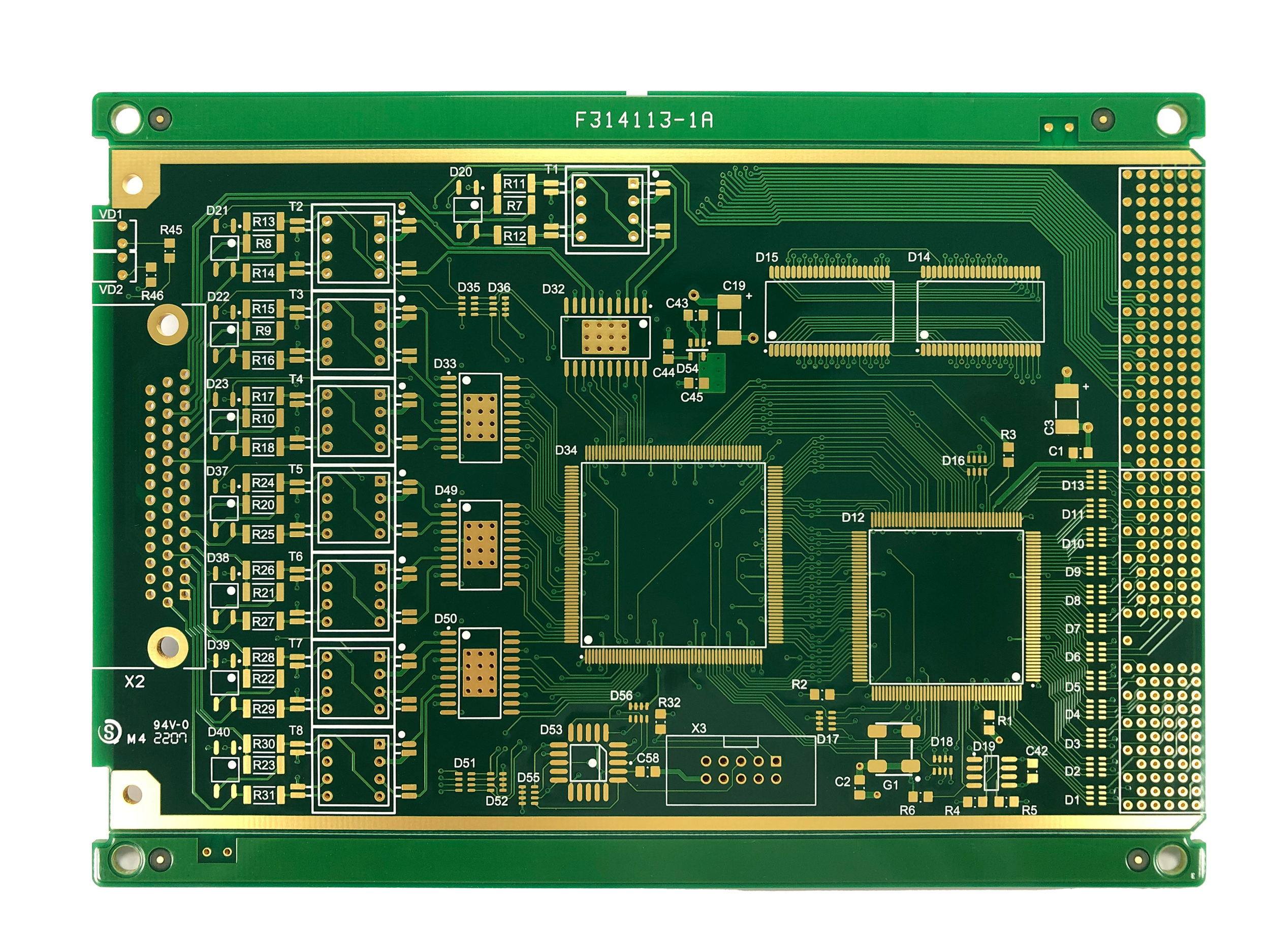
Bringing a hardware product from an initial concept to commercial production requires far more than a functional idea. Every stage demands validation, refinement, and careful engineering to ensure the final product performs consistently under real operating conditions. Hardware prototyping bridges the gap between design intent and manufacturing readiness by allowing engineers to evaluate functionality before committing to large-scale production. Toward the end of this process, a well-developed PCB board becomes one of the most valuable assets for verifying electrical behavior and mechanical integration.
Successful product engineering depends on identifying issues when they are inexpensive to resolve. Prototype iterations expose design limitations, thermal concerns, interface conflicts, and manufacturing challenges long before they reach customers. Instead of relying on assumptions, engineering teams gain measurable data that supports informed design decisions while improving reliability, quality, and production efficiency across the entire development cycle.
Hardware Prototypes Reduce Product Development Risks
Every engineering project carries uncertainty. Components may interact differently than expected, mechanical dimensions can introduce assembly issues, and electrical performance often changes once a design moves from simulation into physical hardware. Building prototypes allows engineers to validate assumptions before significant investments are made in tooling or manufacturing.
Equally important, prototype testing uncovers hidden problems that software simulations alone cannot reveal. Voltage fluctuations, thermal behavior, connector reliability, electromagnetic interference, and physical tolerances become measurable, giving development teams an opportunity to refine the product before production begins. This approach lowers project risk while increasing confidence in the final design.
Key advantages include:
- Earlier identification of electrical issues
- Better manufacturing readiness
- Improved mechanical compatibility
- Lower redesign costs
- Higher long-term product reliability
Faster Engineering Decisions Through Physical Validation
Digital simulations provide valuable insights, but physical prototypes supply practical evidence. Engineers can observe real-world behavior, evaluate performance under different operating conditions, and compare measured results with design expectations. Those findings support faster technical decisions throughout development.
Because every revision generates additional learning, design teams avoid prolonged uncertainty. Multiple prototype iterations often lead to optimized layouts, improved thermal characteristics, stronger signal integrity, and more predictable manufacturing outcomes without introducing unnecessary delays.
Testing Beyond Simulation
Virtual analysis estimates performance under defined conditions, yet physical hardware demonstrates how components interact during actual operation. Environmental influences, manufacturing tolerances, and connector performance frequently reveal challenges that were not apparent during digital analysis.
Supporting Cross-Functional Collaboration
Prototype hardware allows electrical, mechanical, firmware, manufacturing, and validation teams to evaluate the same product simultaneously. Shared observations reduce communication gaps while accelerating design improvements across multiple engineering disciplines.
Improving Manufacturing Readiness
Prototype builds help engineers assess assembly methods, production feasibility, inspection requirements, and material selection before entering volume manufacturing. Identifying production constraints early minimizes unexpected delays during commercial launch.
Building Customer Confidence
Demonstration units allow customers, investors, and stakeholders to evaluate product functionality before production begins. Working hardware provides tangible evidence of engineering progress while strengthening confidence in development milestones.
Optimizing Design Performance Before Production
Performance optimization extends beyond functionality alone. Engineers evaluate signal quality, power distribution, thermal efficiency, electromagnetic compatibility, and mechanical stability throughout multiple prototype revisions. Small improvements during development often produce significant long-term gains after manufacturing begins.
Another important objective involves manufacturability. During refinement, teams examine fabrication constraints, assembly complexity, inspection accessibility, and production repeatability. An optimized PCB board design contributes to higher manufacturing yields while reducing costly engineering revisions later in the product lifecycle.
Performance areas commonly evaluated include:
- Thermal behavior
- Signal integrity
- Power distribution
- Mechanical fit
- Manufacturing feasibility
Improving Collaboration Across Engineering Teams
Hardware prototyping strengthens communication between engineering disciplines because every team evaluates the same physical platform instead of interpreting design documents independently. Electrical engineers verify circuit behavior, firmware developers validate interfaces, mechanical teams confirm enclosure compatibility, while manufacturing specialists identify assembly improvements before production begins.
Cross-functional collaboration also reduces expensive redesign cycles. Early feedback from testing, simulation, validation, and manufacturing allows every discipline to contribute before final release. As a result, engineering organizations deliver products with greater consistency, improved reliability, and fewer late-stage modifications.
Benefits of collaborative prototyping include:
- Faster design reviews across multiple engineering teams
- Earlier firmware and hardware integration
- Better alignment with manufacturing requirements
- More efficient validation before production
- Reduced project delays through shared engineering feedback
Preparing Products for Scalable Manufacturing
Transitioning from a successful prototype to production requires careful preparation. Engineering teams evaluate fabrication processes, assembly methods, inspection requirements, and quality standards to ensure every design can be manufactured consistently. These activities reduce production variability while improving first-pass success rates.
Manufacturing readiness also includes Design for Manufacturability and Design for Testing practices. Engineers validate component placement, routing strategies, test accessibility, and production documentation before release. This structured approach supports predictable production schedules while maintaining product quality across larger manufacturing volumes.
Hardware Prototyping Supports Long-Term Product Success
A prototype is much more than an early version of a product. It serves as an engineering platform that validates functionality, improves performance, supports compliance efforts, and reduces technical uncertainty throughout development. Every successful iteration contributes valuable knowledge that strengthens the final commercial product.
Organizations that prioritize hardware prototyping typically experience smoother product launches, fewer engineering revisions, and better manufacturing outcomes. By identifying issues before production, engineering teams protect development budgets while delivering hardware that performs reliably in demanding operating environments.
Final Thoughts
Can a better prototype determine the success of an entire product? Absolutely, because every refinement completed before manufacturing helps improve reliability, reduce development risks, and shorten engineering timelines. Through comprehensive hardware engineering capabilities, Tessolve supports organizations with schematic design, simulation, mechanical engineering, validation, turnkey hardware development, and production-ready solutions that help accelerate innovation across complex electronic systems. Businesses seeking dependable engineering expertise can also benefit from the experience that serves US semiconductor companies while delivering scalable, high-quality hardware solutions.