
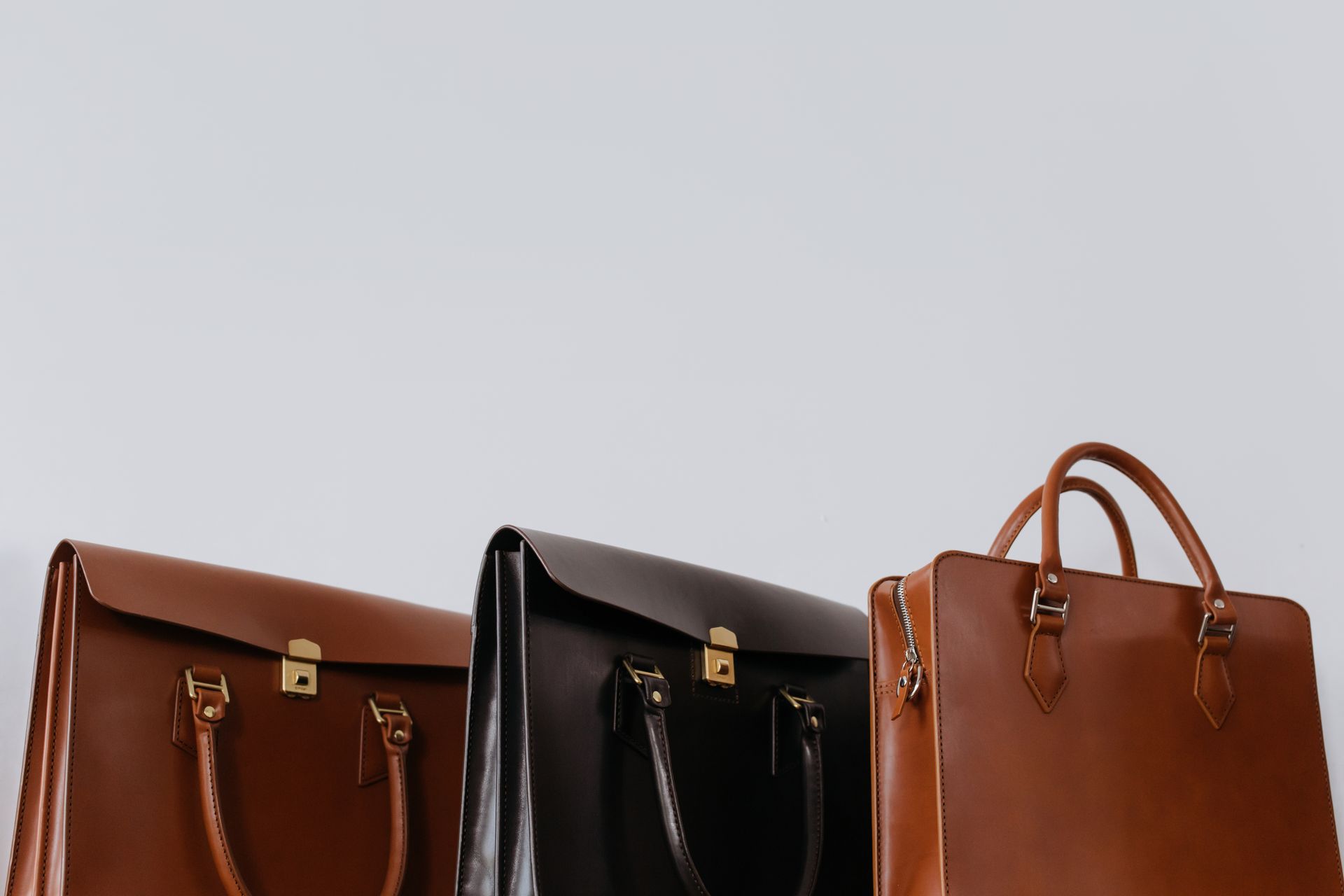
Walk into any department store, and you’ll find hundreds of bags claiming to be premium. Most look impressive on day one. Many don’t survive year three.
The difference often comes down to a single factor: the quality of the leather itself.
While fast-fashion accessories are designed around trends and low production costs, full-grain leather bags are built around longevity. The result is a product that can remain functional and attractive for decades rather than seasons.
The Problem With Disposable Fashion
Modern consumers have become accustomed to replacing accessories regularly.
Synthetic materials crack.
Bonded leather peels.
Cheap hardware fails.
Weak stitching separates.
A bag that initially appears affordable often becomes expensive when it must be replaced every few years.
This cycle creates unnecessary waste while costing consumers more over the long term.
What Makes Full-Grain Leather Different?
Full-grain leather is widely considered the highest grade of leather available because it retains the natural grain layer of the hide. Unlike corrected or heavily processed leather, the surface remains intact, preserving the strongest fibers.
These fibers provide:
- Exceptional durability
- Greater resistance to wear
- Better structural integrity
- Natural character and texture
- Long-term aging potential
Rather than deteriorating with use, full-grain leather develops a patina that reflects years of ownership and experience.
Every mark tells a story.
Every journey leaves character.
Why Craftsmanship Matters As Much As Materials
Even premium leather can fail when paired with poor construction.
The best leather bags combine quality materials with skilled craftsmanship.
Look for:
- Reinforced stitching
- Solid metal hardware
- Durable zippers
- Hand-finished edges
- Strong handle attachment points
These details determine whether a bag lasts three years or thirty.
Quality construction transforms leather from a material into a long-term investment.
The Sustainability Advantage Nobody Talks About
Many sustainability discussions focus on recycled materials.
Longevity is often overlooked.
A bag used for twenty years typically has a lower replacement footprint than several lower-quality alternatives purchased during the same period.
The most sustainable product is often the one you never need to replace.
Choosing durable leather goods encourages slower consumption and reduces unnecessary waste.
The Professional Advantage
A well-made leather bag does more than carry belongings.
It communicates professionalism.
Whether you’re entering a client meeting, boarding a flight, or attending a conference, quality leather projects attention to detail and confidence.
Unlike synthetic materials that often show age quickly, premium leather develops character while maintaining sophistication.
This is one reason leather briefcases, messenger bags, and travel bags remain staples among professionals worldwide.
Buying Less, Choosing Better
Consumers increasingly recognize that quality beats quantity.
Instead of purchasing multiple bags over several years, many are investing in a single well-made piece capable of lasting decades.
The upfront cost may be higher.
The long-term value is significantly greater.
When craftsmanship, durability, and timeless design come together, a leather bag becomes more than an accessory.
It becomes something you keep.
Final Thoughts
Fashion trends come and go.
Quality endures.
A handcrafted full-grain leather bag represents a different philosophy—one that prioritizes longevity, craftsmanship, and lasting value over short-term trends.
In a world increasingly dominated by disposable products, that may be the ultimate luxury.