
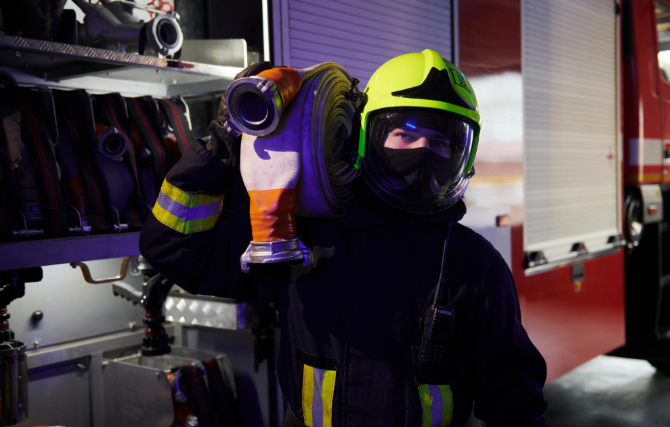
Workplaces that involve welding, hot work, construction, or industrial operations face elevated fire risks. Temporary system outages, sprinkler impairments, and combustible materials can increase the likelihood of fire incidents, creating hazards for employees, equipment, and overall business operations. Maintaining safety in these environments requires more than standard precautions, as rapid response and constant vigilance are critical to preventing small incidents from escalating.
Organizations often search for “Fire Watch Guards Near Me” to ensure that trained personnel are on-site to monitor high-risk areas, enforce safety protocols, and respond immediately to any fire threats. These professionals help businesses stay compliant with fire codes, maintain continuous oversight during emergencies, and support hot-work safety measures. This article explores the essential responsibilities of fire watch guards and how their presence contributes to a safer workplace, reduced risk, and stronger compliance practices.
Understanding the Role of Fire Watch Guards
A fire watch guard is a trained professional responsible for continuously monitoring areas with elevated fire risk. Their main duties include detecting sparks, smoke, or unusual heat, responding immediately, and assisting with emergency evacuation.
Unlike general security personnel, fire watch guards specialize in monitoring fire risk and preventing fires. The National Fire Protection Association (NFPA) defines fire watch as a temporary assignment for personnel during high-risk operations or when fire suppression systems are impaired. OSHA (Occupational Safety and Health Administration) regulations mandate fire watch coverage in high-risk situations, making trained personnel a legal requirement in certain operations.
When Fire Watch Guards Are Required
Fire watch services become essential in the following scenarios:
- Hot Work Operations: Welding, cutting, grinding, or soldering near combustible materials.
- System Failures: Sprinklers or fire alarms offline due to maintenance, testing, or malfunctions.
- Temporary Structures: Scaffolding, tents, or portable buildings lacking permanent fire suppression.
- Presence of Flammable Materials: Storage or handling of oils, paints, solvents, or other combustibles.
Deploying fire watch guards during these conditions helps organizations meet NFPA, OSHA, and local fire marshal requirements while reducing the risk of fire-related incidents.
Responsibilities of Fire Watch Guards
Fire watch guards carry out critical duties to protect both personnel and property:
- Continuous Monitoring: Guards patrol high-risk areas to detect hazards before they escalate.
- Immediate Intervention: They use portable fire suppression tools and alert emergency responders.
- Documentation: Logs of patrols, hazards, and interventions support compliance audits.
- Evacuation Support: Guards help guide workers and personnel safely during emergencies.
In practice, these responsibilities vary slightly by industry. Hospital fire watch guards focus on oxygen-enriched areas, warehouse guards monitor flammable storage, and construction site guards patrol hot work zones.
Real-World Use Cases
Construction Example: On a Chicago high-rise, a welding operation produced sparks near wooden scaffolding. A fire watch guard detected smoke immediately, preventing potential structural damage.
Hospital Example: During rooftop HVAC maintenance, fire watch guards monitored hot work in oxygen-rich areas, protecting patients and critical equipment.
Warehouse Example: In Los Angeles, sparks from temporary electrical maintenance threatened cardboard storage. Fire watch personnel intervened quickly, preventing inventory loss and operational downtime.
These cases illustrate how fire watch services are essential across industries for preventing incidents and protecting lives, assets, and operational continuity.
How to Choose a Fire Watch Provider
Choosing the right provider is crucial for safety and compliance. Organizations should evaluate providers based on:
- Industry Expertise: Experience with your facility type—construction, healthcare, or industrial warehouses.
- Training and Certification: Guards must be trained in fire detection, hot work safety, fire suppression, and evacuation procedures.
- Regulatory Knowledge: Providers should understand OSHA, NFPA, and local fire marshal requirements.
- Availability: 24/7 coverage or flexible scheduling ensures monitoring during high-risk operations.
Searching Fire Watch Guards Near Me connects businesses with professional providers who offer trained personnel capable of both vigilance and compliance management.
Integrating Fire Watch Into Safety Plans
Fire watch guards are most effective when integrated into a comprehensive workplace safety strategy. Facilities should:
- Identify high-risk areas and activities.
- Assign trained fire watch personnel to those zones.
- Establish patrol schedules, documentation, and reporting protocols.
- Coordinate with existing fire suppression systems.
- Ensure clear evacuation routes and accessible emergency equipment.
Integration ensures that fire watch guards can act efficiently, minimizing fire risk and enhancing operational continuity.
Compliance Considerations
Employing fire watch guards supports compliance with multiple regulations:
- OSHA Standards: Fire watch coverage is required for high-risk hot work or system downtime.
- NFPA 51B Guidelines: Define guard responsibilities, training, and patrol frequency.
- Local Fire Marshal Rules: Additional requirements may apply depending on jurisdiction.
Without proper fire watch coverage, organizations risk fines, shutdowns, and liability for damages. Trained guards provide both preventative safety and compliance assurance.
The Risks of Not Having a Fire Watch
Neglecting fire watch coverage can result in:
- Property damage from small sparks escalating to full fires.
- Operational downtime and project delays.
- Legal and regulatory penalties from OSHA, NFPA, or local authorities.
- Reputational harm from preventable fire incidents.
A warehouse without a fire watch during temporary electrical maintenance experienced sparks that ignited flammable materials, resulting in inventory loss, multiple days of downtime, and costly repairs—all preventable with trained fire watch personnel.
Conclusion
Fire watch guards are essential for workplace safety, fire prevention, and regulatory compliance. They provide continuous monitoring, detect hazards early, respond rapidly, and assist in evacuations. Across construction sites, hospitals, and warehouses, their presence protects lives, assets, and operations.
Investing in professional fire watch services is not just a regulatory formality—it is a strategic decision to prevent incidents, reduce financial risk, and maintain operational continuity. Organizations searching for Fire Watch Guards Near Me can access trained personnel who provide vigilant monitoring and ensure compliance with OSHA, NFPA, and local fire codes.
In high-risk environments, fire watch guards serve as the frontline defense against potentially catastrophic fires, safeguarding both people and property.
