
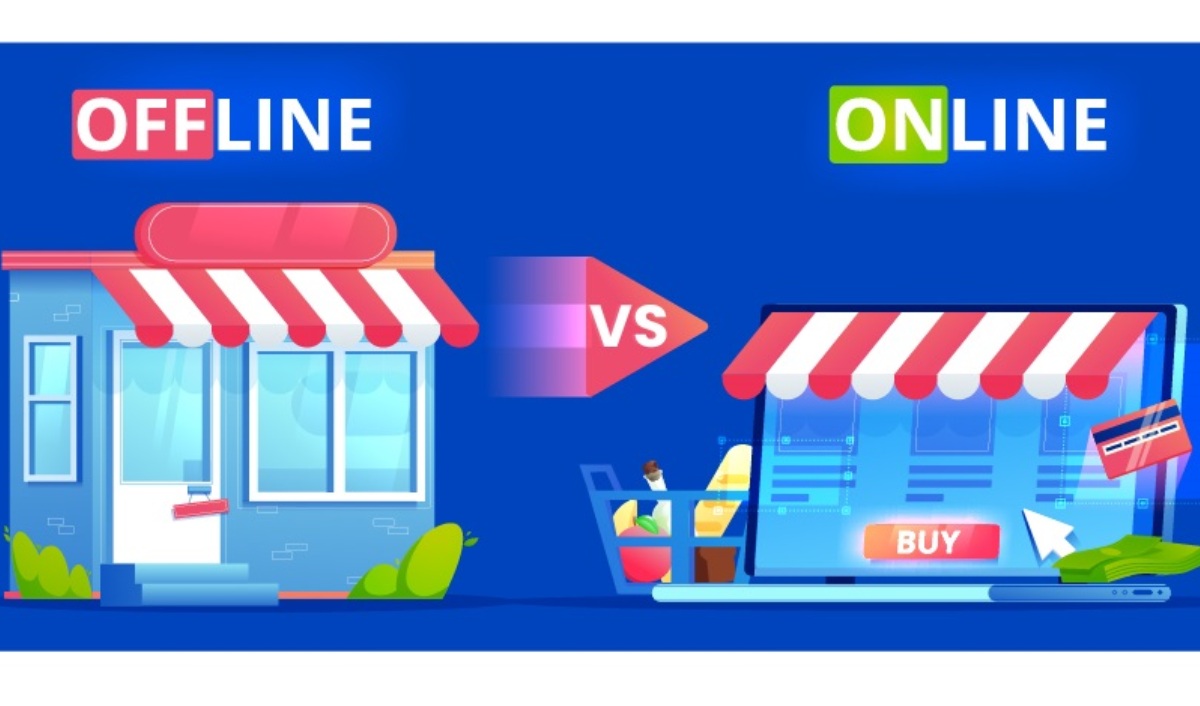
Online shopping trained people to expect almost everything on demand, but it also created a new kind of impatience. Once you’ve clicked through a purchase in under two minutes, waiting three to five business days can feel oddly primitive, especially when the item is sitting somewhere nearby and you know it. That’s a big part of why Click n Collect still has such a strong hold on shoppers who want the ease of buying online without the drag of sitting around for a delivery window.
It suits the way people actually live. Plans change, work gets in the way, parcels go missing, and not everyone wants their week organised around whether a courier shows up between 9 and 5. Being able to buy something online, know it’s ready, and pick it up on your own schedule scratches a very modern itch. Quick, tidy, done.
People like convenience, but they like control as well
That’s the bit that home delivery doesn’t always nail. It’s convenient in theory, right up until a parcel gets delayed, left in a weird spot, redirected badly, or sent back because no one was there to sign for it. The customer hasn’t done anything wrong, but now they’ve got a mini logistics problem on their hands.
Pickup gives some of that control back. You know where the item is, you know when it’s available, and you decide when to collect it. For plenty of shoppers, that feels more reliable than hoping the final leg of delivery behaves itself. It’s less about rejecting delivery altogether and more about choosing the version of convenience that feels less flimsy.
The “I need it today” mindset isn’t going anywhere
Retail has changed people’s timing expectations quite a lot. Not everyone wants instant gratification in the dramatic sense, but a lot of people do want their purchases to fit the rhythm of the day they’re already having. If they order a birthday gift, phone accessory, printer cartridge, school item, beauty product, or last-minute outfit, there’s a fair chance they’d rather sort it out this afternoon than wait half the week.
That’s where click and collect keeps winning. It bridges the gap between digital ease and immediate access without forcing the customer into a full in-store browse. They’ve already made the decision online. They just want the product in hand before the moment passes.
It removes some of the most annoying parts of delivery
People don’t only choose pickup for speed. They choose it because delivery can be a pain in surprisingly specific ways.
Missed parcels. Theft. Apartment access issues. Packages left in rain. Unclear tracking. “Attempted delivery” messages that feel faintly insulting when someone’s been home all day. Regional delays. Extra shipping fees that somehow make a modest purchase feel irrational. None of this is catastrophic on its own, though it adds up.
Click and collect cuts around a lot of that nonsense. The customer knows the item is allocated, the store knows it’s coming out, and the final handover is usually a lot more straightforward than hoping a van and a doorstep can sustain a healthy relationship.
Shoppers still want the online part
That’s worth saying because some retailers misread the appeal. People aren’t choosing click and collect because they suddenly miss wandering around shops for an hour under fluorescent lighting. They still want the easier bit of online retail: searching, comparing, checking stock, paying quickly, and avoiding unnecessary faff.
Pickup works because it keeps that part intact. The browsing and decision-making happen digitally, where people can take their time or race through it, then the collection part stays practical and short. Best of both worlds, really. Less wandering, less waiting, less chance of the item being out of stock by the time someone gets there.
It also suits how people bundle errands now
A lot of shopping behaviour is built around combining tasks. Pick up the order on the way home. Grab it while doing the groceries. Swing by during lunch. Collect it before school pickup. People like fitting purchases into movement they were already making rather than creating a whole separate event around them.
That’s another reason the model has held up so well. It works with real schedules. It doesn’t demand that the customer be available for a mystery delivery slot or spend extra time browsing a store they’ve already bought from. It just turns the purchase into one more efficient stop.
Retailers benefit when the handover stays simple
From the business side, click and collect can do more than satisfy impatient customers. It can reduce delivery friction, lower some fulfilment costs, and create a cleaner final step for people who are close enough to collect. It also gives retailers a better chance of fulfilling demand without every single order becoming a shipping exercise.
There’s a customer confidence benefit too. Stock visibility feels more real when someone can order and collect locally. The retailer appears more organised, more responsive, and a bit easier to trust, especially when the collection experience is smooth and the communication is clear.
The mood around shopping is more practical now
People still enjoy buying things, obviously, but there’s less patience for unnecessary friction. They want shopping to fit around life, not take it over. That means fewer slow processes, fewer delivery unknowns, and fewer moments where a purchase that should have been simple turns into admin.
Click and collect fits that mood neatly. It respects the customer’s time without pushing them back into old-school retail habits they were quite happy to leave behind. That’s a useful middle ground, especially for shoppers who like digital convenience but still want the certainty of walking away with the item themselves.
Waiting feels longer once everything else got faster
That may be the deeper reason this model still works so well. The rest of digital life sped up. Payments are instant, streaming is instant, bookings are instant, messages are instant, and product discovery happens in seconds. Standard delivery now feels slow partly because everything around it got quicker.
So no, click and collect hasn’t stuck around by accident. It solves a very current problem in a way that feels simple and obvious. People want to buy online without surrendering control of the last step. They want convenience, but they want it on their terms. That’s a hard combination to beat.